Thank You

I want to say, deep down from the bottom of my heart: I love you all.  Two years ago I started Indie Gamer Chick with the encouragement of my best friend Brian.  Growing up with autism and intense shyness on top of that, being known for expressing my opinions is not something that would have ever seemed to be in the cards for me.  I don’t say that out of bitterness either.  I’m the luckiest person I know.  My parents grew up dirt poor in Cuba.  Today, we’re doing pretty well for ourselves.  Because of my father’s hard work, I’ve had a comfortable life.  It doesn’t mean there aren’t tough times.  When I was a kid, I gave people the creeps.  Other kids used terms like “robot” or “cyborg” to describe me.  I was pulled out of school in first grade when my teacher pointed at me and snickered to another teacher that I was the “retard.”  My parents were furious, but the teacher had tenure and the only thing they could do to her was make her take a weekend course on sensitivity.  I was home-schooled after that.  For most of my life, I had a tutor named Carol, and she was incredible.  It didn’t do much for my social life, but through various autism support groups, I got to hang out with kids like me.  A big part of that included playing games like Goldeneye or Perfect Dark.

But talking about games?  Yea right.  Not me.  I’ve always been opinionated, but expressing that opinion just wasn’t something I would do.  It wasn’t in my character.

And then I met Brian.  He says he didn’t do anything.  When you have the type of love and encouragement he’s provided me, I’d say that’s doing a lot.  And thus, I became Indie Gamer Chick.

But it wasn’t just Brian.  It was a whole community of hundreds of gamers and game developers.  All of them curious to see what I had to say.  All of them anxious to talk games with me.  All of them there to offer advice.  All of them ready to offer help if needed.  What an incredible feeling it is to have that much support.  Take the epilepsy thing.  I’ve literally had hundreds of people offer me all kinds of warnings on everything from games to movies to television about things that might set off my personal epilepsy trigger.  To have that many people looking out for me?  I can’t tell you how amazing that feels.  I hope you all get to know what that’s like.

Well, except the epilepsy part.  I hope you never have to deal with that.

I had no expectations when I started this, aside from “I bet I won’t even keep this up for a month.”  And yet here I am, two years later.  The most read Xbox Live Indie Game critic ever.  I’ve been recognized on the street.  I’ve done interviews.  I’ve had representatives from all three major console manufacturers reach out to me.  I’m being read not just by indie developers, but major directors of triple A games.  I’ve been into video games since I was seven years old.  To find out that I’m water-cooler talk for the people who made those games?  Surreal.  And awesome.

I’m a cheat code for God’s sake!  Me!  I’m like Up Up Down Down Left Right Left Right B A Start with a pulse!  My mascot is a hidden character in an upcoming game.  I’m doing a PC bundle.  Really, the only thing left is for me to buckle down and make my own game.  Which ain’t happening.  Probably.  This year at least.

In all seriousness, thank you.  All of you.  You guys don’t always agree with my reviews.  And that’s great, because I don’t always like your games.  But no matter what, you’ve all made my life more special.  I can’t thank people individually like I did last year.  We’d be here all day.  Just know this: I’m very fond of you all.  I’m grateful for the opportunities you’ve given me.  And I’m honored that you all treat me so seriously, because you’re the ones with the real talent.  The games you make can be spectacular.  When you reach your full potential, look out, because you’ll make a real impact on gaming.  I’m still getting the hang of this thing I do, but you inspire me to do better.  And I will.  I promise.  We’re all turning a new corner as this generation of games ends and another begins.  I’m sure this will lead to many of the guys who came into game development through XNA drifting apart.  That’s life.  But I think we shouldn’t drift too far apart.  I don’t think I could handle it.  You’ve all been there for me for two years now.  I don’t fancy going through the next decade without you.  So stay close please.  Continue to inspire me.  I owe you all a debt that I can never hope to repay.  You’ve changed my life.  And for that, as I said in the beginning, I love you all.

-Catherine Vice

June 30th, 2013

Tales from the Dev Side: Why Boardgames are a Great First Game by Sean Colombo

Why Boardgames are a Great First-Game

by Sean Colombo of BlueLine Game Studios

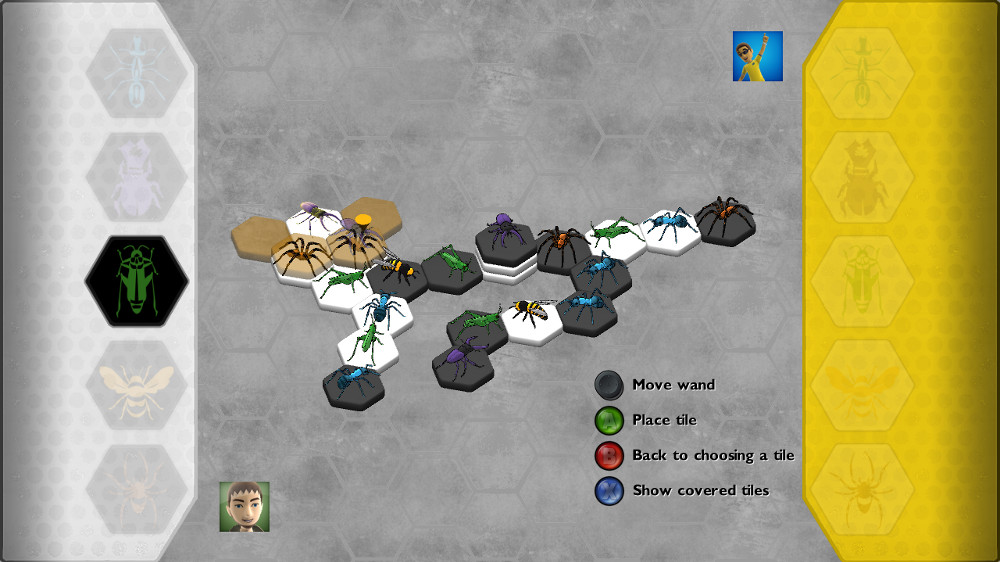
After Indie Gamer Chick said that our game, Hive, was the best game since Tetris (okay, I’m seriously over-exaggerating heavily paraphrasing here), she brought up that there seem to be a decent number of game developers starting out by making video versions of board games.

It was no accident that I chose to start with our first major offering being a board game. There are quite a few advantages of starting your game company with board games, and today I’m going to share some of them because it’s IGC’s anniversary and I’m an Indie Game Developer so I’m too cheap/skinflint to buy her team a real gift.

Faster to Market

Probably the single biggest obstacle that I’ve seen keeping people out of the game industry is that they can’t finish their game. We all love games and tend to have big visions (eyes) and finite amounts of time (stomaches). So it’s really a race to finish a game before we lose motivation or come up with a more distracting idea to pull us away.

Acknowledging this tendency, we should set ourselves up for success by choosing projects where the total amount of work is smaller. Starting with an existing engine (eg: Unity) or releasing a very simple game are good strategies. Similarly, you can cut down the scope of your game drastically by choosing something – such as board games – where thousands of hours of playtesting have already been done on the concept.

Many people forget to bake this into their time-estimates for the game, but the playtesting needed to make a game actually fun and with high replayability, is far trivial. For some examples, I was playing a paper-prototype of Chess: The Gathering around a year ago and I think Tim has been playing it every time I’ve seen him since then. It was a little awkward that one time during yoga class, but let’s just all be thankful that using Warrior Pose to summon pieces didn’t make it in the game. Similarly, I played Cannon Brawl about a year ago and the gameplay was what many would call “done”, but Pete and his testers kept at that thing and now there’s awesome new units that are like magic missiles and ba-bombs!

We certainly had to do a bunch of playtesting of our interface for Hive, but the literally-thousands of games of gameplay playtesting by John Yianni (the developer of the Hive board game), made it so that we could spend a decent chunk of time polishing visuals and AI while still being able to complete the game before we died of old age, went broke, gave up, etc..

screen4

Market Recognition

Additionally, when you’re starting out nobody knows/cares who you are. If you start with a board game, all of its fans already know what your game is about! On our very first blog post where we announced Hive, we almost immediately had a commenter (who was a complete stranger as far as I know) telling us that they were looking forward to it! That kind of instant fanbase doesn’t happen on its own.

This is probably the point where someone digs up that quote from one of the Team Meat guys that goes something like ‘if you have a good game, the internet will make sure everyone finds it’. Those meaty fellows are wrong. They make great games and I love them to itty bitty pieces, but they built up a following from about a decade of games prior to Super Meat Boy and even had a specific MB following from their flash game “Meat Boy”. If they didn’t have their presence built up, SMB would not have sold as well. This buildup is the same for many of the indies that we think of as overnight successes: Behemoth cranked on several Alien Hominid releases before the (mainstream) world learned their name from Castle Crashers, Rovio released around 35 games before they ‘launched’ (ba-dum-cha) Angry Birds, and Notch (Minecraft) has been making games since the mid-80s.

Are you still not convinced? Wow, you’re stubborn. Allow me to predict the future! Ian Stocker made Escape Goat which Indie Gamer Chick reviewed as the best XBLIG of all time (no joke) and currently reigns #1 as the king-goat of the Leaderboard. He’s also released Soul Caster I & II and is finishing up Escape Goat 2 with Waking Mars artist Randy O’Connor, at the time of this writing. My prediction: even though EG1 was critically acclaimed, the reputation-snowball is going to make EG2 sell more than twice as much as EG1. I’m so confident that if it doesn’t, I’ll give out all of my remaining free-codes to Coagulate on a first-come-first-serve basis.

Now that I’ve beaten this dead-horse back into stardust… we all agree that your sales suck until people know you. Here’s where boardgames come in: board game fans will buy your game without knowing who you are. Now, you won’t get all “board game fans” but fans of Hive didn’t need to hear of BlueLine Games before they bought our first game. After 100 repetitions of our splash-screen, now they’re fully borgified and will probably buy our next title, Khet 2.0, even if they haven’t played that specific board game.

Attainable IP

Other than the very mainstream board games whose rights have been bought up by Mattel and Hasbro, many board games creators are still willing to deal with indie developers. The board game industry itself is parallel to the video game industry in many ways and most of their developers are “indies”. One of the larger challenges in working with these developers is that most of them aren’t going to want to put an up-front financial investment in. You’ll have to be prepared to eat through your savings just to take the gamble at releasing another game to market that may or may not be successful. That’s just part of the job though.

In addition to indie IP, there are a ton of games that don’t even require a license. For example, BoardGameGeek lists of over 600 public domain board games. These come with their own challenges too, of course; every platform seems to have 3 versions of Chess, Checkers and Go within a week of launch.

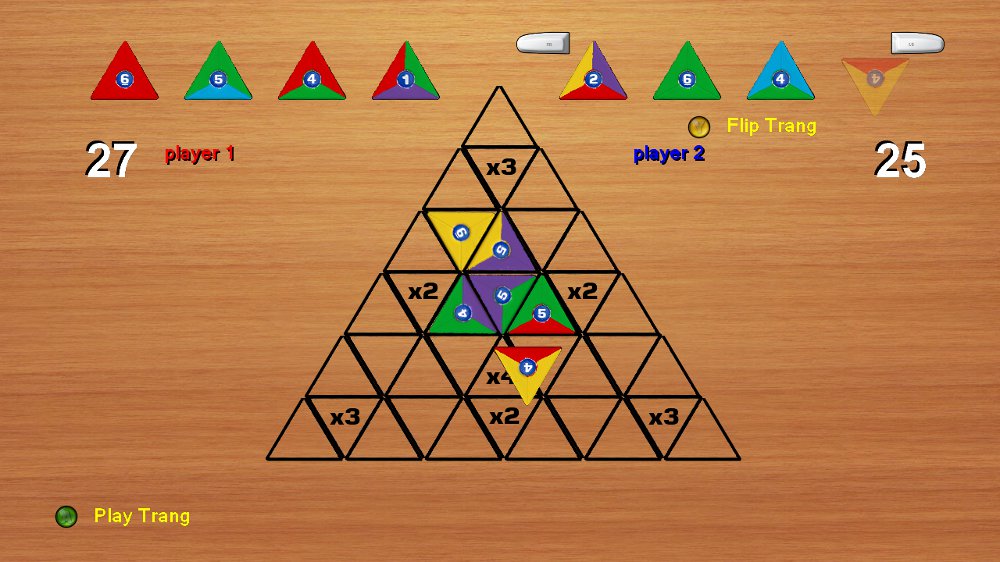
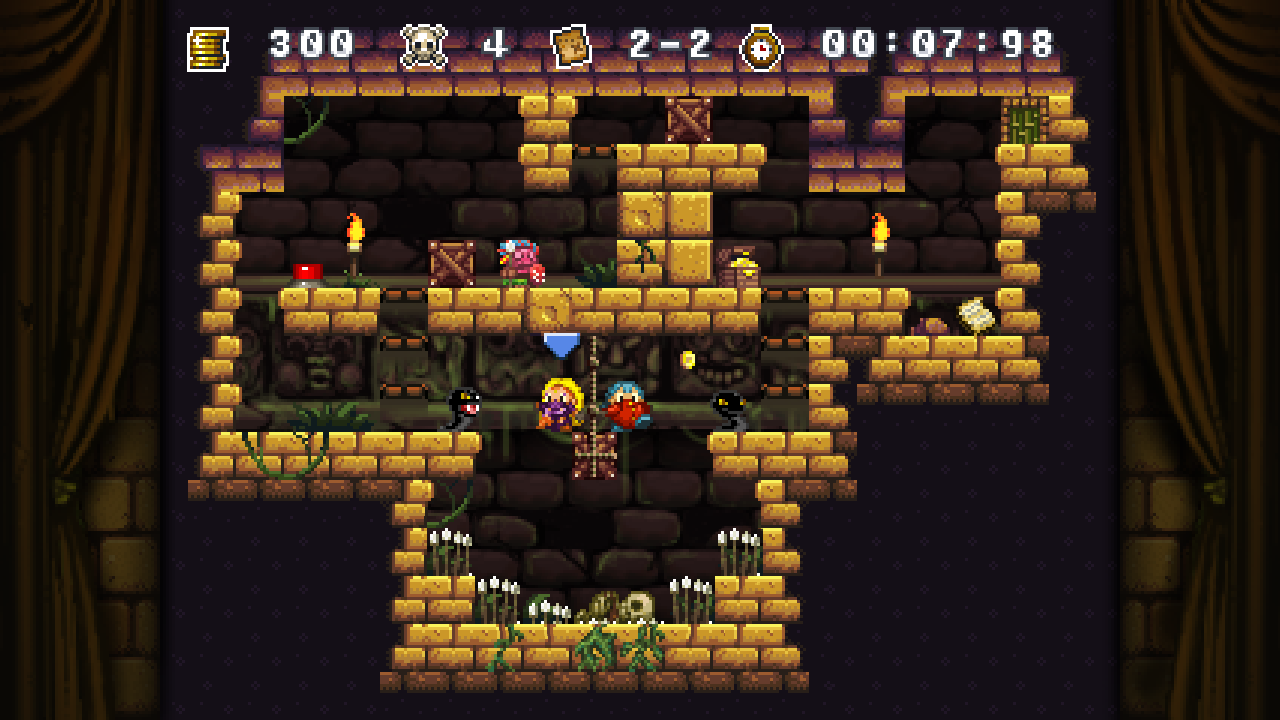
Spectrangle360 was another Chick-Approved board game based on an existing property.

Spectrangle360 was another Chick-Approved board game based on an existing property.

Reusable Code

Board games have a lot of re-usable concepts in them. Players, pieces, boards, plies, AI based on Minimax, etc.. If you do it right, you can make your second game far more quickly than your first. We had hoped we could make our second game in half the time of the first. So far, it looks like Khet 2.0 will take one-quarter of the dev-time that Hive took.

One huge caveat here is that making reusable code is a huge difference from writing a general-purpose board-game engine. If you want to start your project by making the most universal, extensible board game engine in the world, then you’re almost certainly never going to finish your project (see the first section of this post!). However, as you create things you need, it’s fairly easy to plan ahead and make sure that anything general you’re writing (such as Minimax AI), is made in a reusable way.

Now, Step Off!

If you’re looking to make a game to break into the industry, board games can be a great way to start! However, if you try to knock off Hive or Khet, I may have to go all Dr. Karate on you!

But seriously, have fun making games and whatever game you decide to make – best of luck finishing it!
– Sean Colombo

If you like board games or indie game development, please follow our twitter @BlueLineGames, or our Facebook page to see behind the scenes!

Fast Times at the Too Many Games Expo

Who needs E3? I mean, really. It’s become so overblown and ridiculous that the whole thing seems like a Mike Judge or Christopher Guest directed parody film to me anymore. (Actually, a mockumentary styled video game movie is an awesome idea.  My brain is awash with ideas! Cathy, get our people on the horn! )

This past weekend, I attended an event that’s more my speed, an anti E3 if you will, the Too Many Games Expo which was held in a quiet suburb of Philadelphia. To me, an event like this does it right: it’s big, but not so big where you’ll get overwhelmed; it has a little something for everyone and yet isn’t so vanilla that you won’t stumble across cool artifacts of gaming ephemera tucked away in some random corner of the hall.

Image

Is this “playing with power” too?

Shortly after arriving early Saturday afternoon, my son, Kyle, and I did a quick tour of the hall. Right then, we both realized that we didn’t bring anywhere near enough cash with us because there were just so many cool things to buy. We stopped for a moment to grab a quick bite to eat and as I was scarfing down a hot dog, I was lucky enough to catch James Rolfe (The Angry Video Game Nerd) and his cohort, Mike Matei, making a sly entrance through a side door to the hall. James was gracious to stop for a moment, shake my hand and take a picture. He said he knew of our little home away from home on the interwebs here because Mike was a fan. Pretty damn cool, if I do say so myself.

Image

Sorry James, but I treasure my photo with Steve Wiebe a bit more. Steve, if you’re out there, call me!!!

Over the next few hours Kyle and I got to see/hear a set by awesome chiptune artist, Danimal Cannon, watch an N64 Goldeneye tournament, scope out some cool cosplayers, play some classic coin-op games (I posted the high scores on Dig Dug, Joust and Crazy Climber but fucking Commando still handed me my ass; not too shabby for an old man, though) and attend the Angry Video Game Nerd panel.

Image

Moby?? Where have you been, man?

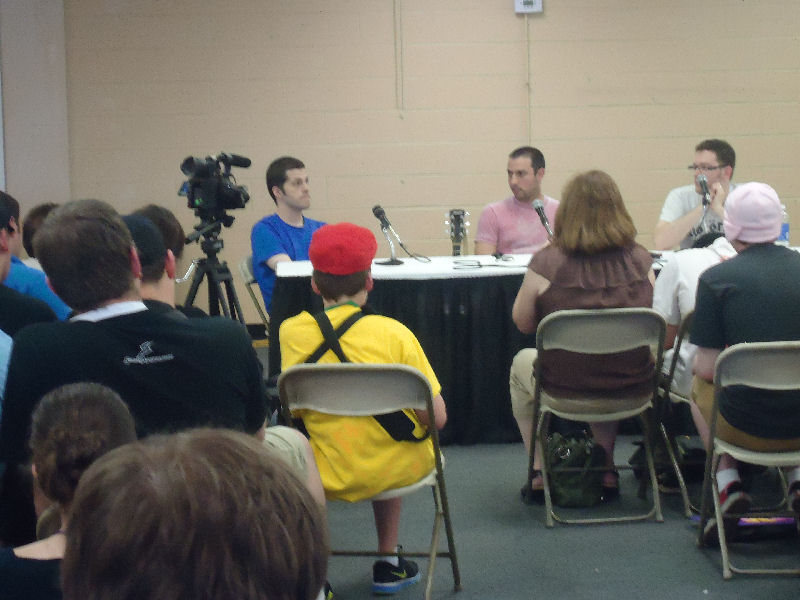
The AVGN panel is where my experience at Too Many Games went off the rails a bit, unfortunately, because the audience was on the boorish side. It’s been some time since I’ve attended one of these panels and the ones I’ve attended in the past were a bit more upscale, I suppose, dealing with mostly journalism, game narrative and/or writing related topics. I’ve been a huge fan of James’ work since he started out as the Nerd, but I guess I didn’t realize that his true fan base isn’t 42-year-old geek dads like myself because, quite honestly, I don’t think of myself in those terms. I own all six volumes of Nerd DVD’s and love them to death. Does this mean I have to give them up now?

The questions from the capacity crowd came at a rapid clip. James, Mike and AVGN Theme composer, Kyle Justin, did their level best to answer them with humor and conviction, and mad props to them for that, but my thoughts meandered to Alex from A Clockwork Orange and his famous quip to one of his unruly droogs: “You’re being a bastard with no manners. Without a dook of an idea about how to comport yourself public-wise, O my brother.” And after about the tenth ridiculous, recycled and poorly-worded question stammered out a fanboy’s mouth, I decided to beat a hasty retreat. I exited stage left while thanking the gods on high that I had the foresight to choose seats that were close to the doors.

Image

“I could have sworn somebody just asked us that question…”

As we were exiting, my son, Kyle, who is 20 and certainly more in line with the Nerd’s core demographic, remarked in total “tractor beam” mode, “I had a million dollar idea while we were sitting in there:  we should open a grooming, style and manners booth at the various video game and anime cons. Like a Martha Stewart thing…but for dudes.”

Sunday was the day I reserved for talking with the indie developers and checking out their games. But first, I managed to re-connect with an old acquaintance, author Jeff Ryan. Jeff had a booth at the Expo and was selling his excellent book on the history of Nintendo, Super Mario: How Nintendo Conquered America. Check it out if you dig all that is the Big N; I highly recommend it. Jeff’s next book will be about the true origins and history of Mickey Mouse. He obviously has a thing for taking on the sacred cows of our popular culture…but I look forward to reading it all the same!

Image

“Now, this is where the magic happens…’

There were a good many more indie game booths than I expected at the Too Many Games Expo. I suppose this is a testament to the allure of the indie game scene these days. These four were the most interesting and/or promising that I had the pleasure of demoing that day. It should be noted that all of these games are some time away from a true launch and, hopefully, they’ll all see the light of day on some platform or other in the not-too-distant future. So, without further ado:

1. The Great Gaias by Horizon’s End. This is a very cool looking classic RPG that harkens back to the best games of the 16 and 32-bit eras of gaming. Check out some kickass gameplay footage right here:


2. Default Dan by Default Dan Studios. Default Dan is a platformer with  some very interesting gameplay twists, as it chucks all the conventions of traditional platforming experiences right out the window. Have a look:


3. Bit Blaster by Null Foundry. The best way I can describe this game is to call it “Warlords in Space” with real-time physics and a slick, design your own ship mechanic.  Very cool.

Image

Bit Blaster has everything a growing gamer needs.

4. The Island of Eternal Struggle by Wimbus Studios.  Another old-school RPG homage but this one has a wry sense of humor and some interesting, turn-based combat wrinkles that set it apart from the crowd.  Take a peek:


All in all, I can’t recommend these kinds of smaller conventions and expos highly enough, as you get to see the real people of the video game industry, slugging it out in the trenches. E3 is like an effete Officer’s Club soiree compared to events like Too Many Games which are akin to the gore swathed beaches of fucking Normandy. Can you guess where you are going to learn more and figure out what this industry is really all about?

If I need to answer that question for you…well, my friend, I’m sorry to say, but I don’t think you’ll ever truly know.

Congratulations to Tim Hurley and TheXBLIG.com

Today marks the one year anniversary of TheXBLIG.com, a site run by one of the coolest, kindest, most awesome guys I know, Tim Hurley.  Tim has spent the last year spreading the gospel of Xbox Live Indie Games.  His journey has been similar to mine.  We both didn’t know a whole lot about indies, and we certainly weren’t familiar with the XNA community.  We had no idea how amazing this community would be to us, and how enhanced our lives would be through XBLIGs.

This needs to be a tee shirt. Like, right now.

This needs to be a tee-shirt. Like, right now.

But, I feel that Tim’s contributions have been vastly overlooked.  The guy has been hugely prolific, providing over 150 reviews of XBLIGs, many of which are not covered on any other site.  Like me, his reviews come from the heart and represent his honest and true opinion on games.  He reviews based on how he feels, not on how others might feel.  His method of delivery is very different, but our goals are exactly the same.  He wants to entertain, inform, and shine light on games that are truly deserving of it.  We don’t always agree, but with Tim, I always finish a review knowing exactly what a game is and whether it sounds like something that’s for me.  If that’s not the mark of a gifted writer, I don’t know what is.

Tim has also always been there for me to offer support, advice, and help whenever I need it.  He’s contributed to features here at Indie Gamer Chick when called upon.  He’s acted as a judge in contests, or as a comic foil during Indies in Due Time.  When all is said and done, Tim will go down as pretty much the nicest guy on the XBLIG scene.  That’s a pretty dang good title to have.  And really, the guy needs a big hug.  I mean, his site is THE XBLIG.  Poor guy.  It would be like someone getting a “Disco Will Never Die” tattoo in 1980.  But, I’m sure he would have it no other way.  He’s lived and breathed XBLIG for the last year, and his loyalty to the platform is nothing short of amazing.  It looks like he’ll be making the jump with me towards a PlayStation 4 focus this next generation, and that means we get to stay as connected as ever.  That makes me happy.  Tim, you’ve been my friend and I love you.  The whole XBLIG community loves you.  Congratulations on the anniversary.

And for God’s sake, don’t do PS4Indies.com.  Pick something that will last beyond just a generation, just like you will. 🙂

PlayStation 4 is The One

“What are you going to do when XBLIG is gone?”  I’ve been getting this since the start of the year.  It’s something I’ve thought about myself.  I figured the obvious answer was “I’ll be doing everything!”  I’ve always owned the full slate of consoles and handhelds, and indies are hot right now.  Not just hot, but courting indies makes sound economic sense.  They assume all the costs of development.  They put in all the R&D.  The console manufactures just take a royalty off the top and that’s it.  Easy money.  Indies also serve other important functions.  They prepare a new generation of super-star game developers.  Today’s indies will create tomorrow’s triple-A titles.  Indies provide content during off-peak months, which is the very thing that got Indie Gamer Chick started in the first place.  They also provide much-needed content that is not on-trend, assuring that a platform has something for everybody.  They take the risks that major studios can’t (even if they want to), because they have to be fiscally responsible to employees and shareholders.  Indies have no such limitations.

In short, indies are now necessary to a platform’s health.

Whether anyone believes it or not, representatives from all three major console developers have a fondness for indies and a desire to shine the spotlight on them.  They understand the drive to create and the need for creative freedom.  They also know that it just makes sound business sense.

Xbox One, named as such because it weighs one stone.

Xbox One, named as such because it weighs one stone.

Some out there will probably argue against this.  “No, Microsoft couldn’t possibly care less about indies.  Nintendo too.”  Um, no.  You’re just wrong.  Maybe their corporate policies don’t always reflect it, but people who love indies do hold key positions at these companies.  If you can’t grasp that, you should probably just stop reading now.

Indies will factor into the Xbox One.  More than just Minecraft too.  Whether Microsoft has said anything yet or not, that’s irrelevant to whether indies will exist on the platform, or whether it ever allows for self publishing.  They know the economics of it.  Trust me, I’ve spent my entire adult life in business.  When Microsoft had to cut million-dollar checks to a couple of XBLIG developers, it made ripples in Redmond.  I can’t fathom it being otherwise.  If it’s not true, then they have problems beyond my scope of comprehension.

Nintendo is on board too.  I know they’re taking indies seriously.  They’ve eased off of some pretty silly policies.  Stuff like only allowing for development on their platforms if you make the games in a dedicated office that has a lock.  Yes, because industrial espionage is what’s going to bring about the downfall of Nintendo.  Not the fact that, you know, they haven’t released a first-party game since launch.  But Nintendo has thrown that rule in the trash.  Not only that, but they’re openly courting indies.  They’re opening up their platforms for self-publishing.  They’re attempting to give indie developers a platform to not only exist on, but profit on.  I’ve been hard on Nintendo here, but they’ve earned my respect in this regard.  Nintendo’s tent has room for indies.

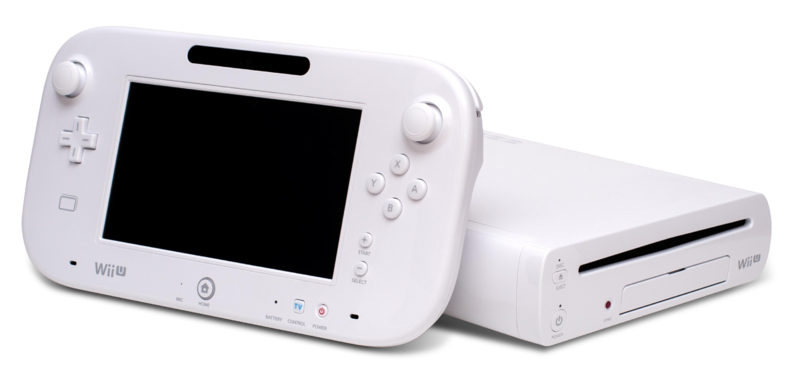
Can't believe I'm saying this, but the Wii U's console is actually the nicest looking one of this generation.  The Gamepad?  Not so much.

Can’t believe I’m saying this, but the Wii U’s console is actually the nicest looking one of this generation. The Gamepad? Not so much.

I’ve never understood the whole “this console is my team” mentality of gamers.  I get it when it’s done among children.  Mommy and daddy only buy Junior one console, and that console becomes his team.  He cheers his team on and boos his team’s opponents.  But for adults who can choose their own consoles, and presumably own more than one, it just baffles me.  Now while I’ve certainly made it clear what console I think is posed to be the most successful, that shouldn’t be mistaken for them being “my team.”  I don’t have a team.  I have three consoles that will each provide me with a vastly different experience.  I’m excited for my future as a gamer, because gaming just keeps getting better and better.  Today, Microsoft and Sony both showed me games that will dominate my free time and drain my wallet, and I expect more of the same tomorrow from Nintendo.  I’m only Indie Gamer Chick on here.  I’m Cathy at all other times, and Cathy has three shiny new consoles to make her imagination run wild.

But, for Indie Gamer Chick, the choice is clear.

PlayStation 4 is the one.

It’s Sony who has told indies “we want you.”  They’ve said it publicly.  They’ve said it clearly.  They’ve given the sentimentality that you’re part of our family, not a party crasher.  For Nintendo, they were too slow to woo.  Before that?  They treated indies like a house guest that you welcome into your home but then follow around like you’re afraid they’re going to steal something.

And Microsoft?  They deserve a tip of the hat for creating the first self-publishing platform on a major console.  But XBLIGs were the black sheep from day one and Microsoft did nothing to alleviate that.  They were something that just sort of was allowed to be there, like a child whose parents force him to invite the freckled kid with the bad body odor to his birthday party.  I’m not saying the games should have been promoted to the determent of titles from major third parties.  Anyone who believes that is delusional.  I’m saying that Microsoft showed total disregard for the platform they created for indies, and they’ve given no reason to believe they’ll be any better this next generation.  And hell, that’s not including their treatment of those lucky developers who got a game published on Xbox Live Arcade.  Just ask the guys behind Fez.  I do fundamentally understand Microsoft’s want for glitch-free games on their platform, but modern game development is a complex thing.  The best, most-well funded developers on the planet struggle with debugging.  Patching of games is now simply part of game production.  Doing so shouldn’t put smaller producers in fiscal danger.  Spin it any way you like.  It’s just plain morally wrong.

Comment of the day from Twitter: "It looks like an italicized Xbox One." It really does.

Comment of the day from Twitter: “It looks like an italicized Xbox One.” It really does.

Indies will always be more dominant on the PC scene, and newcomers like Ouya (which yes, will be covered soon at Indie Gamer Chick) are arriving and openly courting the development community.  They’ll all have a place at Indie Gamer Chick.  I’ve already had a little coverage of Wii U games, and trust me, more is on the way.  Xbox One’s indie scene, no matter what form it takes, will be a part of this site.  My new writers Jerry and Kalle will cover those platforms I don’t.  And, until someone turns the lights out, Xbox Live Indie Games will be featured here, and prominently at that.

But for the next generation, PlayStation 4 is it.  It will be the primary focus of my site, the same way XBLIGs have been for the last two years.  Why?  Well, it has nothing to do with the focus on non-gaming applications.  Hey, I use those too!  It has nothing to do with the used game stuff.  I’ve planned on taking a no-plastic, all-digital pledge for this generation anyway.  It has nothing to do with Kinect because.. well actually I hate Kinect, but it still doesn’t factor in.  It’s because this is the platform I feel indies are most positioned to thrive on.  Where their creativity will be nurtured, their passion will be unchained, and most importantly, where they have the best chance of making something of themselves.  For two years, the indie game development community has been incredible to me.  You guys have changed my life like you can’t believe.  I might be harsh on your games sometimes, but I’m always hopeful of your success and proud of you when you’re triumphant.  I want what’s best for you.  I’m going with PlayStation 4, because that’s where your best chances are.  But, no matter what platform you develop for, the Golden Age of indies is about to dawn, and I’ve never been more excited.

I’m Indie Gamer Guy, and I Needed This

So, it seems I am the now the Indie Gamer Guy. I’m totally cool with this. Let me tell you why:

I’ve done some fairly decent things in my writing career. I’m not going to get into a list of credits and all that here, but if you want you can check out my ABOUT ME page and that will give you a pretty decent overview of my working life.

Due to some recent developments in both my personal and professional life, I was in a existential crisis of sorts. I just wasn’t “getting” anything at all and nothing seemed to be clicking for me on various levels. To quote a classic Weezer song: “The world had turned and left me here.”

Yeah, yeah, I know. How maudlin and downright emo of me, right? If any of you out there actually thought that while reading the paragraph above you can kiss my lily white ass. Twice.

Anyway, like a bolt out of the hand of almighty Zeus himself, I saw a seemingly innocuous tweet from Cathy: “Brian and I are open to trying out guest writers for PC coverage, provided that they buy their own games and write unflinching reviews.”

That simple tweet brought order to the tumultuous chaos that was swirling in my mind for the past couple weeks…and I knew what I had to do: I had to join her on her quest to provide the internet with bullshit free video game content on Indie Gamer Chick.com.

I don’t mean to sound angry or bitter…but I am tired, man, goddamn tired of chasing editors who don’t fucking respond to the simplest of queries and pandering to PR twats who truly DO NOT give a rat’s ass about video games; it’s just another product, another stupid widget, to them.

If I joined forces with Cathy I could write what I want, how I want, when I want. All of the worries; all of the shackles would be removed. I would have the fresh perspective that I really and truly needed.

So, I sent her an email expressing my interest and here we are. I’m the Indie Gamer Guy. And I like it. Very much.

And, much like her, I want you indie developers to impress and inspire me. When I play your games, I so very much want to be that 14-year-old kid again who has gotten a 5 1/4 floppy disk full of new and unknown C64 games from my friend at school. Understand that. I want your games to take me to new places, explore new worlds and most of all be FUN…without all the hype and razzle-dazzle that accompany most of today’s titles. But most of all, I want you to restore my faith in the industry, and hobby, I love a great deal. Can you and your games do that? I sincerely hope so, my indie friend…

I’m primarily going to be covering PC games, while Cathy will stick to the console titles. I am also going to have my very own Leaderboard in the near future. It will be open for sponsorship and all monies are directly given to the charities by the developer. Those charities are either Autism Speaks or the Epilepsy Foundation.

I look forward to working and interacting with all of you.

~ Jerry Bonner, The Indie Gamer Guy

Indie Gamer Chick has a New Writer and PC Coverage

Indie Gamer Chick now has an Indie Gamer Guy. His name is Jerry Bonner. He will do PC reviews and editorials.

Jerry shares my beliefs about game criticism: that a critic should hold nothing back and not be a cheerleader. Like me, he will pay for his own games. His reviews will have no score. He also believes reviews should be fun to read.

But Jerry has a much different background than I do. I’m 23. He’s 42. Video games as they exist today came into being in his lifetime. He’s lived through every console generation, whereas I got my start on the original PlayStation. So while he believes in my philosophy, he’ll have his own identity and tastes. He’ll also have his own Seal of Approval and, eventually, his own Leaderboard.

As for me, I’ve exclusively reviewed console and handheld based indies since I started Indie Gamer Chick on July 1, 2011, and nothing is going to change in that regards. I’ll continue to offer the same no-holds-barred coverage of XBLIGs, XBLAs, PlayStation Network, PlayStation Mobile, iPhone, and Nintendo eShop games. We’re coming up on the second birthday of Indie Gamer Chick, and I’m more excited now than ever. With Jerry onboard, I no longer have to worry about expanding to PC coverage and spreading myself too thin. Indie Gamer Chick will now have more coverage than ever before.

Independent game development is not just a fad. The genie is out of the bottle and it isn’t going back in. I’m so proud that my little blog that I started two years ago has caught on the way it has. I’m even more excited now that it will cover all aspects of indie gaming.

By the way, you should follow Jerry on Twitter.  I hope you’ll embrace him the way you have me.  You guys have no idea how much my life has been enhanced through Indie Gamer Chick.  The indie community means the world to me.  My biggest hope is that Jerry finds being Indie Gamer Guy every bit as rewarding as being Indie Gamer Chick has been for me.

So starting sending in those requests for PC reviews.  I also now have a form for developers to fill out to send requests in.  You can look forward to an introductory post from Jerry himself very soon.  Meanwhile, it’s time for me to get back to reviewing the latest XBLIGs.  I think the Leaderboard’s skid is about to come to an end.

Looking to the Future

We’re less than two months away from Indie Gamer Chick turning two-years-old.  Which is ironic, because according to father, I often have the table manners of a two-year-old.  But seriously, two years already?  Time flies when you’re having fun.  Given how bad the lineup of games I’ve recently tackled has been, that explains why this last month has felt like a fucking crawl.  Still, to all those doomsayers out there who won’t shut up about how XBLIGs are dead and nothing good is coming on the horizon, kindly shut the fuck up.  Quality takes time, and there are plenty of very good-looking games still to come.

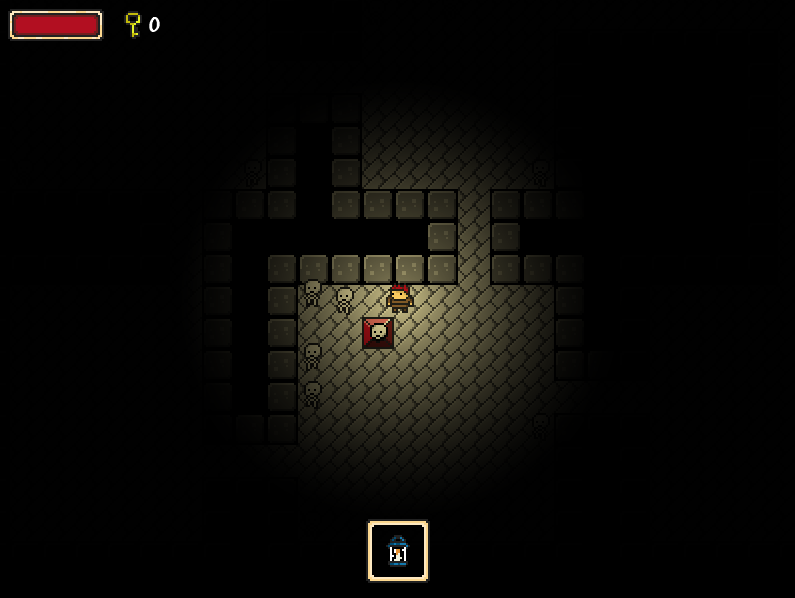
A dungeon crawler done right warms my heart, so I have my fingers crossed from the upcoming Tales of Descent.

A dungeon crawler done right warms my heart, so I have my fingers crossed from the upcoming Tales of Descent.

Xbox Live Indie Games were relegated to black sheep status from the get-go.  But, while some developers can lean towards the whiny side over that, most have shown perseverance and dedication to honing their skills on the platform in a way that inspires me to be better at what I do.  A lot of people who follow the XBLIG scene tout the passion of its developers.  I’ve never been a big fan of flogging passion, because everyone who makes games generally has a passion for what they do.  When they don’t talk about passion, they’ll talk about the ingenuity, the creativity, or the resourcefulness.  You know what?  XBLIG developers have all of that and more, but there’s one aspect that always gets overlooked, and I’m sick of that.

Talent.

That’s right.  Talent.  Look at what this community has accomplished, with minimal resources.  Hundreds of games ranging from pretty decent to absolutely spectacular.  That doesn’t happen by luck.  I’ve always been of the belief that talent and aptitude for game development isn’t something you can learn.  You have to inherently have it.  It can be refined.  It can be built upon.  But it can’t be grown from nothing.  Talent is instinctual.  That’s why I love XBLIG.  Because so much untapped talent has converged in this one centralized location.  Some times the talent doesn’t even result in a good game.  A lot of developers are still not far into the learning curve of game development.  Yet, you can still see talent.  It’s there, and it’s starting to bubble to the surface.   And the best part is you can also see the desire to improve.  To make something transcendent.  It’s those dreams that give me goosebumps when I think of what the future of gaming in my life will hold.

On Tuesday, we’ll learn about the next generation Xbox.  Soon, XBLIGs as they exist today will be a thing of the past.  But the skills and dreams this new generation of game developers have acquired?  They’ll carry on to the future.  With that in mind, I want to hear from you, the Xbox Live Indie Game development community, about the games you’re going to make.  I want to hear how you’ll apply the skills you acquired making games for XBLIG in the future.  I want to hear how you learned from your mistakes and successes.  Last year, for the first anniversary of Indie Gamer Chick, I looked at where you were now.  This year, I want to look at where you’re going.  A future that is as bright as you want it to be.

Wyv and Keep is still coming to XBLIG.

Wyv and Keep is still coming to XBLIG, and it looks damn good.

This is a community-wide Tales from the Dev Side special that is open to every XBLIG developer, whether I’ve covered their games or not.  Well, unless you responded to my review that noted your game crashed by saying I lied about your game crashing and that I was on crack, then later admitted your game did crash but refused to apologize.  Call me petty, but I really don’t give a shit what such a person plans to do in the future.  Hypothetically speaking, of course.

There are some rules to this.

#1: No bitching or whining about how shitty Microsoft treated XBLIG.  We’ve all heard it, and I’m bored with it.  This is to be a mushy, optimistic piece, not a score-settler.

#2: You have to have a game published.  Again, it doesn’t matter if I covered your game, but I want to hear from people who went through the full experience of creating, publishing, and getting feedback on their title.

#3:  Feel free to attack me if you feel it’s justified, but there is to be no complaining about other developers or their games, the peer-review process, or other game critics.

#4: I must have something to link to for your name.  Either your website, your Twitter, or the link to your game on the marketplace.

Sound good?  Okay, here’s what I need from you: a paragraph or two (under 300 words) details what you’re going to be up to next.  With the exception of linking to your Kickstarters or other crowd-funding activities, I want to plug the ever-loving shit out of your upcoming projects.  So send me links to YouTube footage, your development blogs, your Steam Greenlight pages.  Talk about what platforms you’re targeting.  Talk about why you want to make this particular project.  I want to hear your hopes, your dreams, and your aspirations.  We all do.  If XBLIG is going out, let’s turn out the lights in style.  So do you want to participate?  Write it up, and e-mail it to me before July 1st with the subject “My Future in Game Development.”  Make sure to include all the proper links.  Don’t worry about putting it in a word file, spell checking, or grammar.   I’ll take care of it.  If you have art assets, you can provide those.  YouTube videos won’t be embedded directly for the benefit of page load times, but I will link them in.  Remember: these projects don’t have to be for XBLIG.  PC, Ouya, PSM, or anything else is fine.  I just want to know where you’re going from here.

Finally, while I’m excited to glimpse into your future, I’m also interested in what you’ve got out right now.  This is an open offer for anyone that has a game ranked on the Indie Gamer Chick Leaderboard: if your game exists on other platforms, send me the links and base prices and I’ll update my old reviews to include links to those other versions.  You guys really do deserve more attention than you get.  If your game isn’t taking on XBLIG, maybe it will take on something else.  There are games on my leaderboard that have sold under 100 copies.  No need to make a joke about it, because that just plain sucks.  Promoting your outside-of-XBLIG projects is something that is, quite frankly, long overdue here at Indie Gamer Chick.  Sorry it took me this long to figure that out.

Tales from the Dev Side: How Xbox Live Indie Games Prepare You for a Career in Game Development

How Xbox Live Indie Games Prepare You for a Career in Game Development

By Roby Atadero

You often hear about professional game developers leaving the industry and choosing to work on indie titles instead. Don’t let that fool you into thinking indie games are only meaningful for people getting out of the commercial industry. You can break into the industry by working on indie games too.  Indie titles not only give a creative and relaxing outlet for industry vets but, they can also prepare you for a full-time job at a professional game studio if you have never worked at one. Sure, working on a small mobile game or a web game is great and all, but, it pales in comparison to having worked on an XBLIG when it comes to getting a job as a full-time traditional (console) game developer.

My buddy, Andy, and I started working on our indie game, Spoids, in 2010. At the time, he was finishing up school and I was working as a Java programmer for a small company. After working on this XBLIG (Spoids) for a little over a year, Andy eventually got a job as a Network Administrator / Tools Programmer and I finally got a job as a Gameplay Programmer at a professional development studio.

Now it wasn’t as simple and easy as it sounds. I had applied for game development jobs throughout the years with no success. I had a Computer Science degree and had worked on lots of little PC game demos. However, it wasn’t until I was just about done with Spoids when I was actually able to start getting phone interviews at studios I was applying to. Before then, it always ended in an automated email saying the position was filled without having spoken or hearing from anyone at these companies.

So what made the difference? I had worked on an XBLIG with as high production values as we could muster during our free time.  I’m not saying you have to make the next big viral indie game or something super innovative. Just work on something that requires some challenge and do a solid job at it. Make sure to finish it all the way to the end and polish it up as much as possible. The more well done it is, the better chance that professional developers will think you are capable of joining their team. Don’t just get a proof of concept game going and stop halfway. The majority of the game development battle is in that last 20% of completion. You’d be surprised how many people who work on game projects as a hobby never actually finish a game to shippable quality.

UncompletedProjects

How Working on an XBLIG Prepares You as a Co-Worker

You can be the smartest, most talented indie developer out there but, if you can’t connect with your co-workers in their other fields, then it’s going to be a nightmare for both sides when it comes to working on a professional team.

So before we continue, let’s look at a quick overview of the various disciplines involved in game development:

  • Programmers – Make the game work. Give content developers the tools they need.
  • Producers – Keep the project scope manageable, decide what everyone works on.
  • Designers – Make the game fun, place all the content.
  • Audio – Make the game sound good.
  • Artists – Make the game look good.
  • Quality Assurance / Testers – Make sure everything looks and works properly.

There is a lot more to each of these disciplines but, this should give you a rough idea of what each sub-team deals with. So, what does all of this have to deal with how XBLIGs prepare you for a career in game development? Everything.

Usually teams that work on XBLIGs are pretty small (1 to 5 people). That means most of those people have to deal with things that aren’t their forte. Sure, you have your dedicated programmers or your dedicated artists but, chances are everyone had some kind of involvement with designing the game, the layout of the levels, tracking and fixing bugs, dealing with audio, keeping the project moving, balancing, etc.  Dabbling in each of these areas lets you see the challenges and issues that arise in those fields when it comes to developing a game.  This becomes more helpful than you think when you work on a full professional team.

No, you likely won’t be crossing boundaries much in a professional studio like you do working on an indie game. However, you can level a lot more with the other fields and work together to find solutions since you can see things from their point of view.

For example, if you are a programmer at an industry studio after having worked on an XBLIG, you can likely level with, understand, and communicate better with the designers you work with. Or you are more likely to sympathize with the people who work on audio and be able to develop the right tools they need to more easily get their job done. Why? Because you had to walk in their shoes a little bit while you worked on an XBLIG.  You probably didn’t thoroughly enjoy dealing with something on your indie game whether it was design, audio, art, etc. But seeing how those assets are created and the challenges these people face everyday allows you to better understand their issues and work better with them.

People in one discipline can easily start to become jaded towards those in other disciplines. So it doesn’t take much to start to feel a little irritated over time when you are getting work requests that you feel are “stupid” from the workers in the other fields.

DeveloperViewsSo again, getting to walk in their shoes for a little bit can really open your eyes and show you the walls they run into everyday. They have a hard job too.  Doing what you can to help make their lives easier will make you more desirable as a co-worker.

How It Helps Getting a Job

Game companies get tons of resumes every day.  The more high-profile the company, the more they get. And we’re not talking about two or three every day; we’re talking about tens to hundreds. As much as career guides and counselors preach resume format or getting good grades, the single biggest thing you can have is to show you have actually worked on and finished a game or a mod.  And if you have actually released something, then you’re definitely going to get put in the consideration plate over other applicants.  Not only that, but showing you have worked on a game for a console will garner even more attention since there are more technical limitations with a console than with computers.

Now, a lot of these points so far can be made for working on any kind of indie game, not just an XBLIG. However, the key aspect to what makes working on XBLIGs compelling is that they are made on one of the major home consoles. This is where you gain a lot of knowledge that you wouldn’t get working simply on PC or mobile indie games.

Technical Challenges That Cross Over

There are a different set of challenges, certifications, and considerations to take into account when it comes to working on console games as opposed to a strictly computer or mobile games. Let’s look at a few:

Memory

Memory is very precious on consoles whereas today’s PCs have oodles of memory to use. Because of this, worrying about too much memory usage on a PC isn’t usually a big problem. But on consoles, that is not the case. You have to be a bit more cautious of your memory usage. This includes XBLIGS.  Being able to manage your memory usage is a good skill to have going into a professional studio. It is a constant limitation everyone deals with from the programmers to all the content creators. If you’re not cognizant of how much memory you are using when developing something at a professional studio, many upset faces will follow you. And if you are lucky, they won’t beat you up when you walk down the dark hallway.

Certifications

When a game is released on the PC, it doesn’t have as many rules to adhere to as a console game would. This is because console makers like Microsoft, Sony, and Nintendo make sure there are certain standards that are adhered to before you can ship a game on their consoles. XBLIGs are no different.  Microsoft tells their peer reviewers that Xbox indie games must pass ALL of the certification requirements they have outlined. One example of an everyday console certification requirement is keeping your important game information inside the “safe zone”.

A lot of TV’s actually don’t show the entire image that is projected to the screen. When it comes to 720p/1080i HDTVs or old CRT TVs, a handful of the screen around the edges isn’t actually shown. Thus, important game elements shouldn’t be displayed on the direct edges of the screen space. Otherwise, they might get cut off.  Typically, you want to keep a five percent border on each side of your screen free of anything important the gamer would need to see. Thus, the inner 90% of your screen space is called your “safe zone”.

SafeZoneThis isn’t only done in games; it is done for TV shows too. For example, ESPN keeps all their text information within the inside 90% of the broadcasted screen space (the safe zone).  The image below shows their text information not going to the edge of the screen and keeping a nice five percent border on each side.

ESPNNow, PC games don’t have to deal with this. Computer monitors will show the entire screen space. Thus, they can render important parts of the game on the very edge of the screen if they want to. So, if you ever ship an XBLIG, this is an issue you will be dealing with while developing your game.

Now, there are a myriad of other certification requirements to deal with on consoles: minimum font sizes, allowing the primary player to play off of any connected controller, being able to select any storage device, being able to handle a hard drive being pulled out during save/load, using player profile settings for default control schemes, pausing the game when a controller becomes unplugged or their batteries die, maximum load times allowed, etc.

Each of these issues has to be addressed when it comes to professional console games as well as XBLIG titles. So, if you ever finish and ship an XBLIG, you will likely have dealt with all of the above, and thus be better prepared for this in the professional scene. A lot of these can be annoying and frustrating when you first learn that you have to deal with them. You’re better off getting annoyed by these on your own personal projects first and not later at a professional company.

Cross-Platform Development

One of the last big things that you can gain from working on XBLIGs is that you will get better at cross-platform development. Chances are you will have the game working on both Xbox and PC. In fact, you may even do the majority of your testing with your PC build. And since you need the game to run on both systems, you will want your game to be easy to develop and maintain for both systems. Thus, you will need to exercise good programming and abstraction strategies as you go so both builds share as much of the game code as possible. If you have done nothing but PC games and have constantly used the same third-party software, you will likely not be very prepared at writing well abstracted and managed code. Heck, you will probably hate yourself the first time you try to port your game to a different platform once you’ve finished it.

It is not simple to work on a game that needs to work well with an Xbox controller, mouse and keyboard, TV’s, monitors, the Xbox’s specific hardware, any random amount of hardware configurations from a consumer PC , etc. This is not something that comes naturally as you learn the basics of development. You only get better at this from repetition and learning from mistakes. XBLIG’s present a great situation for getting better at and perfecting your cross-platform development abilities. It’s quite an important skill for professional studios, who a good number of them work on games that run on the major consoles as well as PCs.

Just Make An XBLIG Already

In short, working on and finishing an indie game lets you see how each of the major disciplines work together to make a finished product. But working on a console game, like an XBLIG, let’s you see and learn a lot more of what AAA studios have to deal with on a daily basis. These skills will not only make you more appealing to hiring managers at studios, but it will just make you a better developer overall. Is the XBLIG platform fading into the sunset? Yes. Are there easier frameworks to start writing a game on such as Unity? Sure. But, there aren’t really any other cheap and easy ways to ship a game on one of the major consoles besides the Xbox 360. So, go ahead and try making an XBLIG; you’d be surprised where it takes you. Heck, it took me finishing Spoids to have what I needed to finally break into the industry. The same might happen for you.

Roby is currently working on South Park: The Stick of Truth.  Make sure to check out SpoidsIt’s Chick-Approved.  

Interview with Gaming Composer James Hannigan

Last month, I was playing Kris Steele’s Centipede tribute Bad Caterpillar.  It was very impressive.  It felt like an authentic lost chapter in the series.  There was only one problem: the music.  Centipede’s music is iconic.  Replacing it with a generic heavy metal soundtrack that is as far disconnected from the source material as you can get was just plain stupid in my opinion.  And it got me thinking about how music is an often overlooked aspect on the scene.  I’m guilty of this too.  I rarely comment on music here at Indie Gamer Chick.  It wasn’t until Bad Caterpillar that I realized that the wrong music really can take away from the game experience.

So I put out a call on Twitter asking if anyone wanted to do a Tales from the Dev Side on marrying the right music to the right game.  I had a few takers, but the most interesting one came from a gentleman by the name of Joshua Dennison.  His story was a unique one.  He has written hours of music for seven games.  Not one of those games ever got completed, and the music is stuck in purgatory.  Despite my tin ear, I had a listen, and I immediately recognized that the dude has talent.  Just to confirm that, I had my boyfriend Brian and my buddy Alan of Indie Ocean have a listen.  They agreed, the guy has “it.”  And his struggles to land a job with someone who actually will finish a game is a story that ought to be told.

Around the same time, I had another response to the request.  This one came from a man by the name of James Hannigan.  James is not part of the indie scene.  Quite the opposite.  His credits include games in the Command & Conquer series, the Harry Potter game series, and the Lord of the Rings game series.  He’s been nominated for five BAFTA awards and won in 2000 for his work on Sim Theme Park.  Best of all: he’s a fan of the indie scene.  He was open to doing an interview on gaming music, and I figured he might have some words of inspiration for the next generation of game composers.  The problem is, I don’t know shit about music.  Then I remembered Joshua, and decided he would be the right person to conduct this interview.  My hunch was right.  This was a perfect match.  Joshua, the floor is yours!

Read more of this post