The Wolf Among Us – Episode 1: Faith

I had no familiarity with the source material The Wolf Among Us is based on. I like comic books, but I’m not into comic books. At least not anymore. It’s something I grew out of around age twelve, and back then, my parents certainly wouldn’t have let me read anything with this mature of subject matter. Not that they were prudes. Far from it. They wanted to make sure that I grew up with a good moral compass and not, say, rely on absurd allegories centered around farting and inappropriate sexual innuendos just to make it through a simple game critique. Well, mission accomplished there, parental units.

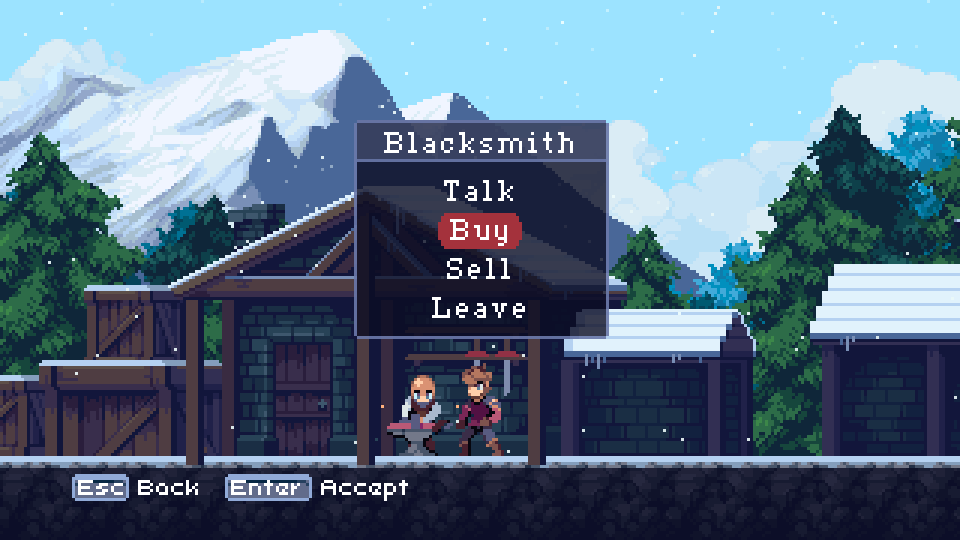
The Wolf Among Us is based on Fables, which in this case refers to a series of comic books and not a series of over-hyped and mediocre adventure games for Xbox. Within about five seconds, I fell in love with the concept. For those unfamiliar with it, think of it as a cross between ABC’s Once Upon a Time and Roger Rabbit, with strong emphasis on the latter. Then take that cross and douse it with the absolutely seediest, darkest aspects of society. That’s the world Wolf Among Us is set in. The idea is fairy tale characters are all real and all live in New York City, just trying to get by. Now, if you’re a human based fairy tale, great. But if you’re not, you have to buy a magic spell known as a Glamor to disguise yourself so that you blend in with society. If you don’t, or if you can’t pass as a human with or without the Glamor, you get sent to a place called “the Farm” in upstate New York that all the fairy tales bitch about like it’s a prison.
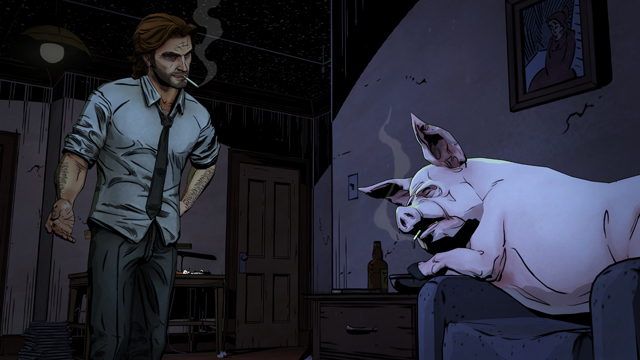
I swear, this isn't what it looks like.

I swear, this isn’t what it looks like.

Having played a lot of Telltale’s licensed fair, I figured I had a good idea what to expect from The Wolf Among Us: a good but vastly overrated by the general gaming populace adventure yarn where the main character is the only likable person in the group. I was wrong. The Wolf Among Us is easily Telltale’s best game yet. The only game they made where I am genuinely on the edge of my seat waiting for the next chapter. I certainly couldn’t say that about the Walking Dead. One of the problems with the video game community is you can’t just think something is alright without having people threaten to tar and feather you. I liked Walking Dead, but good lord were those games so not as good as everyone else says they are. People raved about the writing like it was some kind of transcendent moment in-game history. This is the same game where one of the sections centered around a main character who couldn’t figure out why a radio without batteries or any power source at all wouldn’t work. At that very moment it forfeited the right to ever claim to have good writing. But, Walking Dead is trendy right now and anything that is connected to the property would be better received than a pile of blow-job dispensing diamonds that you could then trade in for further blow jobs.

Right away, the characters of Wolf Among Us were far more interesting than the sleeping pill that was Lee or the utterly annoying Clementine. Here the main character is Bigby, other wise known as the Big Bad Mother Fuckin’ Wolf. He’s repented from his evil ways and is now acting as the sheriff of Fabletown.  he only problem is, all the other fairy tales are skeptical of his conversion and openly don’t trust him. The noir-like atmosphere is also very jarring, but exhilarating in its political incorrectness. The characters chain smoke, drink to excess, swear like sailors, engage in prostitution, beat women, and probably spit on little old ladies as they cross the street. Unlike the schizophrenic Walking Dead, the writing is consistently sharp throughout the first chapter. There’s a few technical hang-ups relating to the dialog-tree structure. I don’t know why after asking the Magic Mirror to view characters, backing out of the scene causes Bigby to say “never mind, I don’t want to see anyone” after he just watched scenes play out for three fucking characters. Stuff like that is definitely breaks the immersion, but not in a deal breaker sort of way.
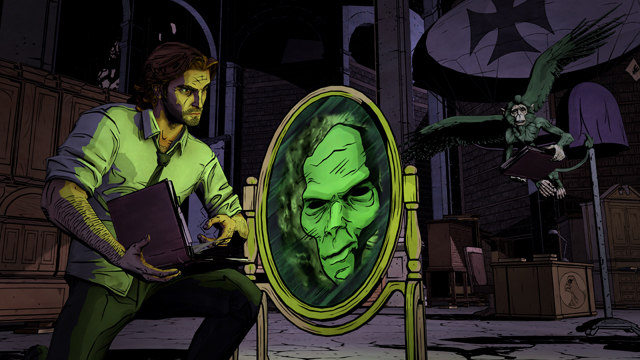
"Mirror, Mirror on the Wall? Who's the coolest critic of all."  "Cathy Vice is the one, the Indie Gamer Chick.  If you send her a shitty game she'll rip off your dick."  Actual dialog from the game. True story. Okay, no, but it should be.

“Mirror, Mirror on the Wall? Who’s the coolest critic of all?” “Cathy Vice is who you seek, the Indie Gamer Chick. If you send her a shitty game, she’ll rip off your dick.” Actual dialog from the game. True story. Okay, no, but it should be.

I found Bigby to be fascinating. Yea, it was annoying that he has the same video game tough guy voice that every fucking gruff male game character has. But, considering this guy goes through cigarettes like some people go through breath mints, I guess it makes sense. I also like how, upon completing the chapter, i found out that most of the players across the world made the same choices I did. It’s nice to know that I wasn’t the only one who played Bigby as a nice guy that was genuinely looking for redemption. Yea, I admit, I lost my cool with Mr. Toad and started bitch slapping the ever-loving shit out of him. What can I say? I regret that I never got to bitch slap the shit out of Carley for the whole battery and radio thing in Walking Dead that I will never, ever get over.

There isn’t a single character in this game whose motivations aren’t interesting. The murder-mystery plot is very well handled, and the character study of Bigby is just about the best example of a character study I’ve seen in a game in a long time. To put it in perspective, I’ve been playing games since I was seven years old. I’ve never once played a game based on a licensed property where I wanted to go out and get the licensed property. I did here. I ordered a few of Fables trade-paperbacks right before I started with this review. Oh, I’m not going to read them right away. I want to finish the game series first. But if there’s anything that is a testament to how strong the story of Wolf Among Us is, I dropped $50 getting the first five volumes off of Amazon. That’s over double what the games will ultimately cost. I think that’s an endorsement.
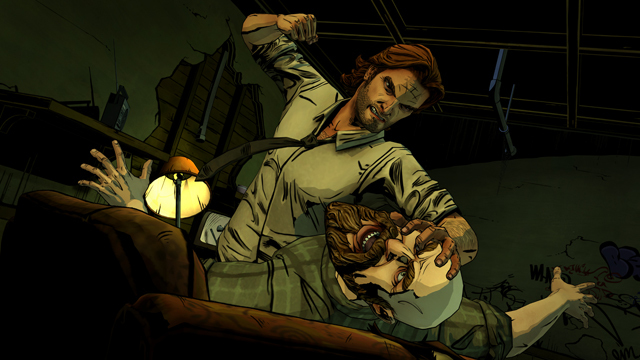
The quick-time event brawls are still clunky as shit.

The quick-time event brawls are still clunky as shit.

Which is not to say the actual gameplay is perfect. This being a Telltale Game on a console, there are all sorts of technical hiccups. At one point, you’re given two leads to the murder, and you have to choose which location you’ll go to first. Three mother fucking times I tried to select to go investigate a prince’s house and three times the game froze solid. The fourth time I instead selected to go investigate Mr. Toad’s house, and it didn’t freeze. Of course, I didn’t fucking want to go there first, but that was the hand the game dealt me. Also, Telltale’s signature unfair quick-time events that involve lining up a cursor and hitting a trigger button still annoy me to no end, but this time I didn’t care because I just wanted to get to more of the plot. The final scene as the chapter ended made me sit up in my chair and blurt out “HOLY FUCK!!” Do you know how many games have ever done that to me? Not one ever.

So that’s Wolf Among Us. Among the best games I’ve played in 2013. I can’t wait for the remaining chapters. I guess this is proof that Telltale can do better than fan services like Walking Dead, Back to the Future, or Monkey Island. Granted, as a licensed property, this is a fan service as well. Probably one that fans of Fables have been waiting a long time for. Well, at least they got a satisfactory one. Meanwhile, I can only cross my fingers and hope like hell that Telltale gets the license to do Veronica Mars next. If they don’t, well, I can’t be held responsible for my actions.
Wolf LogoThe Wolf Among Us was developed by Telltale Games

IGC_Approved$4.99 (ultimately $20 for the subscription cost) are everything a big bad wolf could want in the making of this review.

I swear to Christ, if any of you spoil the plot from the comics on here and I will fucking go stab happy on you. Oh, and Wolf Among Us is Chick-Approved but not leaderboard eligible.

Developer Interview: James Petruzzi – Developer of Chasm

James Petruzzi of Discord Games is an Indie Gamer Chick all-star.  He has two games on the Leaderboard, the writer of the most popular Tales from the Dev Side editorial that’s been published here, and now he’s chosen to sponsor the new (and still unfinished due to laziness) XBLIG Developer Index, kicking in a whopping $200 towards Autism Speaks.  He also happens to have a very interesting looking Metroidvania coming later in 2013.  James is here to talk about his new title, called Chasm, and the trials and tribulations of making games for XBLIG.

chasm_logo_big

Cathy: Chasm is not coming to XBLIG.  Et tu, Brute?

James: Right off the bat, I haven’t decided yet.

Cathy: Oh?

James: It runs on my Xbox 360 right now, and I’m planning on keeping it that way.   But whether I release it or not, I’m not sure.

Cathy: Why not?

James: I’m not going to release it for a dollar.

Cathy: Oh.

James: My only option I feel is 400MSP, but whether people on that market would spring for it, I have no clue.

Cathy: So?

James: So?  I hear you boil developers who release games at 400MSP in oil.

Cathy: As a point of order, I did place Bleed, a 400MSP game, in my Top 10.

James: Yea, but you also boiled them in oil after that.  They’re still in bandages.

Cathy: Good game though.

James: Did the Bleed guy ever release numbers?

Cathy: Um yea, actually I just asked him.  He told me it sold 900 units on XBLIG.

James: Those numbers show the problem with XBLIG.

Cathy: Net gross of about $3,150 for the developer. Sad thing is, can’t prove it, but I bet it would have sold a couple thousand copies at 240.

James: Either way it’s still terrible for a game that high quality.

The awesomely fun Take Arms was a critical hit, but about as well received by Xbox owners as a bagpipe simulator.

The awesomely fun Take Arms was a critical hit, but about as well received by Xbox owners as a bagpipe simulator.

Cathy: What about PlayStation Mobile, where developers have huge flexibility on prices?

James: I haven’t really researched it to be honest, and I’m not sure whats all required to even get on there.

Cathy: It’s supposed to be a relatively open platform.  I don’t know.  Sony had said they would get back to me and never did.

James: So I’m just squarely focused on PC for now, I want to launch on Win/Mac/Linux and then go from there.  But if it makes money, I’ll port it to everything under the sun with a D-pad.

Cathy: I’ll look forward to the NES, Master System, and 3DO releases.

James: Hahaha!  Well, I’d consider PlayStation Network, Wii U,  and maybe 3DS or Vita releases.

Cathy: Take Arms was pretty well received by critics, but it kind of flopped in sales. 48 Chambers was good, but again, didn’t really sell well.  Is that why you’re trying to more traditional game with Chasm?

James: No, I’m actually just making it because it’s the game I’ve wanted to make since the beginning.  If you watch the Evolution of Take Arms video we put on YouTube, you’ll see that started as a Castlevania type game.  We were way too inexperienced though to deal with that much content, so we decided to make it a multiplayer game instead.  Obviously something flopped with Take Arms that’s beyond the amount of content or anything.

Cathy: Maybe it was difficult to articulate that it was a multiplayer game. There’s obviously SOME interest for those on XBLIG, as seen in the success of Shark Attack Deathmatch.  Maybe “Take Arms Deathmatch” sells 10,000 units and has a robust user base to keep it going?

James: Yea that’s definitely a possibility, but at the same time, I think you must have the right product at the right time.

Cathy: I think the big sticking point is the amount of people who play it daily. I reviewed Shark Attack Deathmatch in late December. I checked it last night, and there is still a wide variety of people playing. Then I tried Take Arms and found that nobody was playing.

James: If I would have kept up with content updates we probably could have grown a community or something around it.  But that’s the hard part with multiplayer games, and why I will probably never do one again.  With them, the community of people playing it is what gives the game value.  If you take that away, it’s basically worthless.

Cathy: I would rank my play session with Take Arms against the other XBLIG critics as one of the best times I’ve had since starting Indie Gamer Chick. Do you think maybe some form of organized tournaments might have caused it to catch on?

James: We should have focused on organizing community play dates and doing more  with it, but yeah, I guess we were just done after two years.

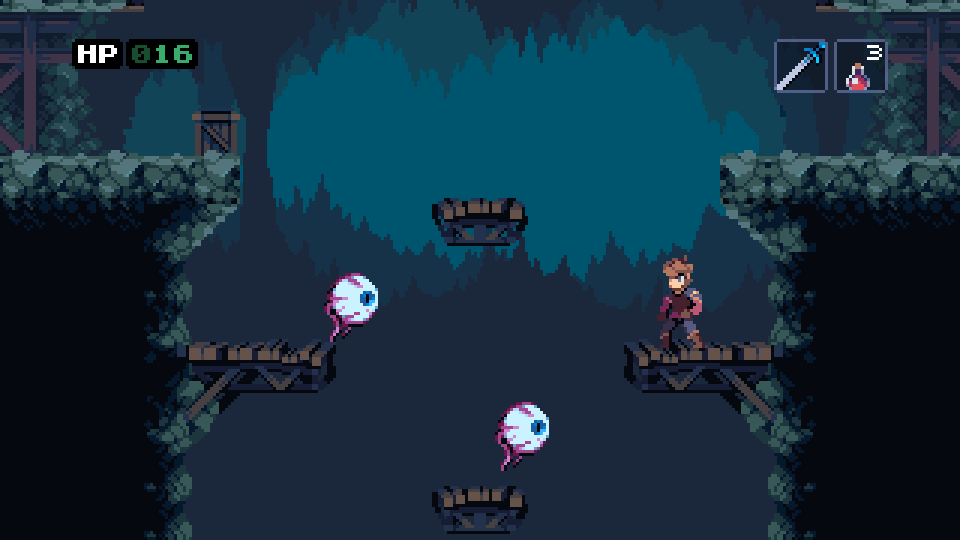
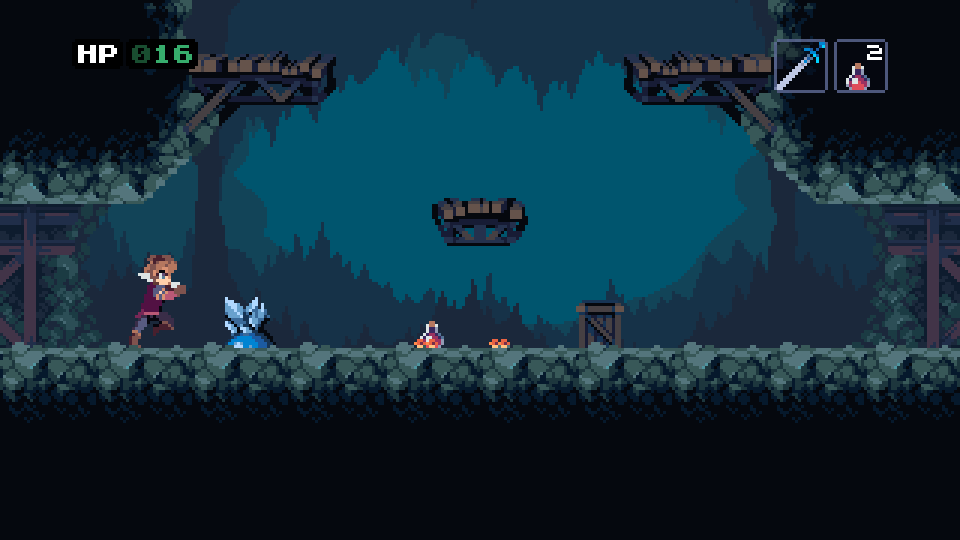
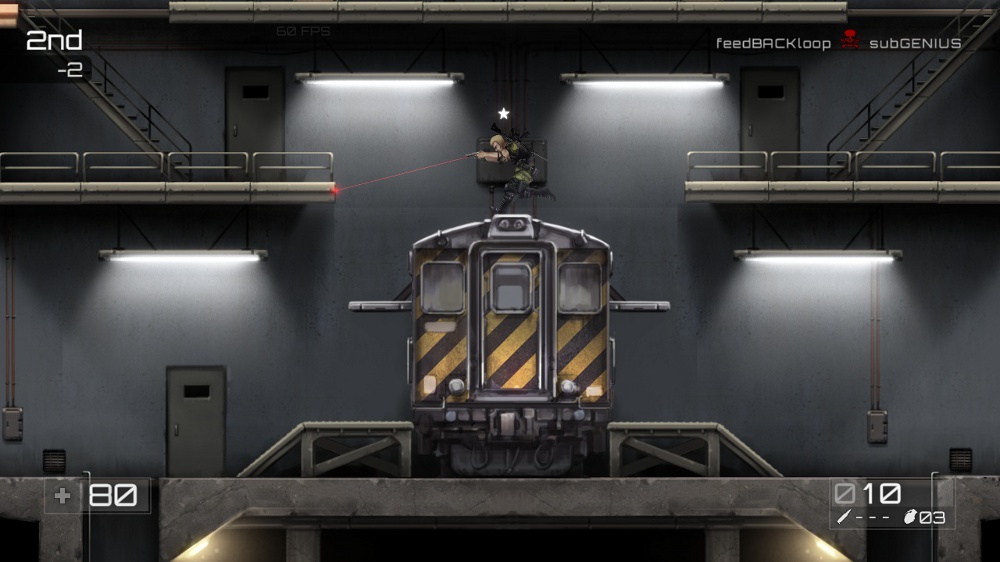
Chasm looks awesome.

Only the most secure-in-their-manhood blacksmiths dared to use a pink anvil.

Cathy: Okay, onto Chasm. It looks really good.  You originally intended Take Arms to be a Metroidvania, and now you’re finally doing one.  What made you decide that now you’re ready?

James: Well, to be honest, it was a last-ditch effort.  I quit my corporate job last May to focus on my next title full-time, Tim and I were talking again about doing something, which turned into this sci-fi Terraria-like called Solus.  We worked on that through may and part of June, and Tim decided he wasn’t having fun anymore and was done.  So we parted on good terms, but I was left with a big game to do by myself.  In July I basically decided to scrap it, and started working on the original version of Chasm, which was basically going to be a cash in I guess for XBLIG.  It was going to be a mining game like Miner Dig Deep, but with combat, weapons, some bosses and stuff to fight.  I mean don’t get me wrong, I’ve wanted to do a mining game for a while, but I couldn’t really tell you what I liked about them, but I think I somehow managed to cut all the fun out of it.  At some point by like September I had the engine pretty far along, but I was just hating it, I had completely forgotten why I started doing this stuff in the first place.

Cathy: What about the engine was off?

James: The engine was fine, I just couldn’t figure out a good formula for the game.  Nothing ever felt right, like I was battling it constantly.  And at some point I just began to resent it.  All the fun was gone.  That was definitely my lowest point in a long time.  It was nervous-breakdown type levels for a while.  So I scrapped it all.

Cathy: Do you know how many developers I’ve met since starting my site that I honestly feel would scrap something if they weren’t comfortable with it?  Probably not a lot.  I take it the current build you’re much more satisfied with?

James: Oh my God, yes!  It was like the next day I made a new project, started coding shit all over, and man, I was like in love immediately.

They eyes have it!

The eyes have it!

Cathy: So how far along is Chasm now?

James: Very early.  I started fresh October 25 or 26 I think.  I’m shooting to have it done in a year from then.

Cathy: You guys are on Steam Greenlight.  Most developers I’ve talked with who have listed their games on this have been, ahem, humbled by the, ahem, polite discourse on it.  How has the feedback for Chasm been?

James: Well first let me tell you, I put Take Arms and 48 Chambers on there immediately when the service first went up.  It was free for a while if you remember, so I was like why not?  48 chambers did incredibly poorly, as you can imagine.  I finally took it off there last week after being up since launch and it was at like 23% I think.  Almost every comment called it a mobile game and said it would be perfect on iPhone, which is funny since the entire game is designed around a thumb-stick, but okay.

Cathy: I do get their point, but yea, can’t imagine playing it with touch or tilt controls.

James: Take Arms did a bit better, but not very. At its highest point it was 52% to top 100, 48% when I pulled it off last week.  Now that, on the other hand, was called a “flash game” in a snobbish way.  Apparently there are a couple of flash games that are similar, so everyone on PC absolutely hated it.  I think Alex Jordan got same kinda criticism about Cute Things Dying Violently.

Cathy: Yea.  In fact, he did a Tales from the Dev Side on it.

James: Yea, so PC gamers are very weary of anything that looks like a flash game that they might have once saw.

Cathy: But then you put up Chasm, and it’s doing well to say the least.

James: I put it up just for the hell of it after we put up the new video on the 11th.  It’s now in the top 100 on Steam Greenlight.

Cathy: Very nice!

James: That’s with no major media support whatsoever, its purely from Greenlighters.

Cathy: I’m not major media?

James: Were you pimping it?

Cathy: That’s what I’m doing now.

James: Too late!  I’m top 100 now.  You get no credit.

Cathy: Awwwwwww.

James: I’m not sure where these votes are coming from, we’ve had 20k unique hits since then.  I didn’t realize that many people even rated Greenlight games for the hell of it.  So it’s a little surprising thinking I’m going to have to work my ass off to push traffic to it, when in reality i did nothing, just put a video on and answered people’s questions.

Cathy: I think now that it cost money to list your game, you’re seeing more dedicated, anxious fans, instead of haters and trolls.

James: Ya think?

Cathy: That’s my best guess.

James: So yea, the response has been overwhelmingly positive.  Which is crazy for something only two months into development.

Cathy: It’s a Metroidvania, but it’s also a Roguelike. Were you beat on as a child?

James: Ha ha, no.

Cathy: Hey, I still remember the original build of 48 Chambers.

James: Before you jump to conclusions, the Roguelike influence is more from Diablo than anything.

Cathy: Oh good, so Roguelike for pussies.  Noted.

James: I didn’t say that.

Cathy: The headline from this shall read “James Petruzzi, developer of upcoming game Chasm, calls all Diablo fans pussies.”

James: Are you trying to get me in trouble?

Cathy: Always.

James: I wouldn’t call it for-pussies! I think permadeath is pretty harsh punishment for failure.

Cathy: So when can we expect Chasm?

James: Hopefully late 2013.

Cathy: Come on, 400MSP XBLIG release?

James: Man I still like XBLIG, it’s a love/hate thing you know?  I love it for being an open marketplace, but I hate it for being an open marketplace.

Seriously, James. You've got to come up with more exciting screens than these.  This is your big moment!

Seriously, James. You’ve got to come up with more exciting screens than these. This is your big moment!

Cathy: Hey, some neo-retro games are getting full XBLA releases. Spelunky for example.  Why not try to secure a publisher?

James: Honestly, it’s really nice not having anyone to answer to.  Only problem is always money, you know?

Cathy: Which I hear you’re thinking of solving by going through Kic..kic..kic..

James: Cathy, you okay?

Cathy: Excuse me, you’re thinking of going through Kic..kic..kic..

James: Kickstarter?

Cathy: Yea, that.

James: You seem to have a little bit of blood coming out of your nose.

Cathy: Yea, that happens whenever I hear or say that word.

James: I don’t think that’s healthy.

Cathy: Tell me about it.  After writing that last editorial, my office looked like the Crazy 88s scene from Kill Bill.

James: Yea I’m thinking about Kickst.. that.  I’m thinking about using that.

Cathy: Nice save.  Gives me a chance to clot.

James: I’m also thinking about alpha funding, or even selling out to Microsoft.  I’ve considered it all, and I’m still not sure what the best route is.  We’re going to Game Developers Conference in March to show off Chasm, hopefully get some people interested.

Cathy: Might help to wear a tee-shirt that says “will sell my creative vision for food.”

James: I’m not THAT desperate yet!

Cathy: You’re thinking of using Kickstarter.  You ARE that desperate.

James: Cathy, your nose.

Cathy: Well shit.  Better wrap this up.  I’ve got to go to the hospital again.

Be sure to check out the official Chasm page at DiscordGames.com

Gateways!

Update: Gateways now includes an easier mode that will still eat your ass for lunch.

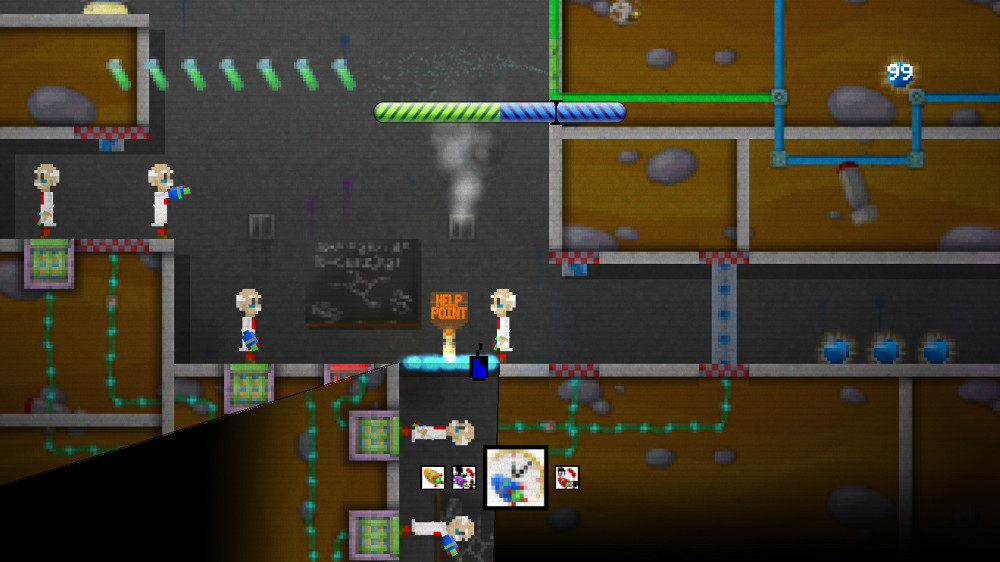
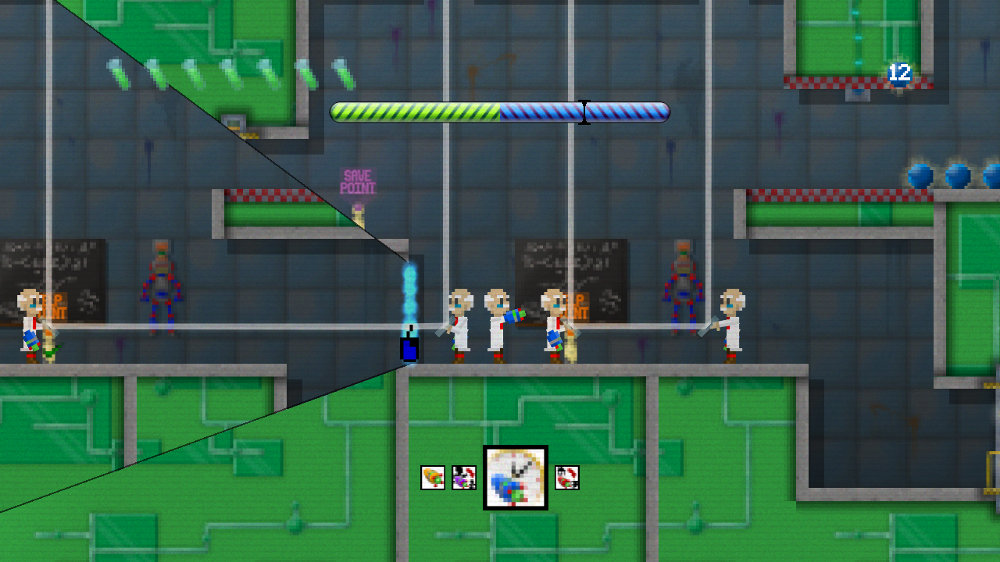
Halfway through Gateways, I had it pegged as the new #1 game on my site, and that Escape Goat had been slain. No joke. It has the most awesome hook of any XBLIG to date (2D Portal, enough said), a developer with big time credentials (a game on XBLA and a game already on my leaderboard), amazing retro-graphics, and some of the most clever puzzles I’ve ever seen in any game. #1? It’s a lock.

Actually, describing Gateways as essentially being a 2D Portal is way over-simplifying things. Portal was never this smart, nor did it give you this many things to do. You had two portals and maybe a cube to drag along with you. Even Portal 2, with its tractor beams, gels, and variations of the companion cubes, can’t touch Gateways for literally mind-numbing complexity. Strange as this sounds, Gateways is actually too smart, to the point of turning off some of my Uprising comrades.

See, this is why I wouldn’t make a good time traveler. I would take a razor to my old self’s throat, just to see what happens.

Once again, a puzzle game on XBLIG made me question what I thought I knew about gaming. As a kid, I always figured puzzlers were the product of a publisher pulling an Arliss Loveless, kidnapping top eggheads from around the world and forcing them to create puzzles, for profit! But no, it turns out you don’t need shackles, chloroform, or threats of bodily harm to create puzzles, meaning those things can stay in the bedroom where they belong. One dude came up with all the puzzles in Gateways. One fucking dude, presumably with a brain that outweighs a Volkswagen Beetle.

Playing as a kooky scientist who is trying to return to his lab’s command center (why doesn’t he just have Zordon teleport him?), you have to search around for new portal guns and abilities. Gateways is laid out like a Metroidvania, meaning you’ll end up doing a lot of backtracking, retracking, and teleporting around the map. This could have been hugely risky, but Smudged Cat put a big “go here” arrow on the map that appears as soon as you clear the latest puzzle. Smart. However, I still found the design somewhat problematic. Although there are special shortcuts that open up as you make progress, I feel some kid of magical “return to the starting spot” item would have cut down on some of the tedium involved. That, or include the ability to warp at your will from save point to save point, like LaserCat did.

Which brings me to the puzzles. They’re genius, and this is commendable. But the difficulty of finishing them, ahem, scales. My biggest complaint with Escape Goat was that there was no difficulty curve. Because you could pick levels in any order, Mega Man-style, that game couldn’t escalate the puzzles and make them tougher as you went along.  Gateways has no such limitations. However, the curve of it was allowed to grow out of control. As a result, Gateways is possibly the most difficult platformer-puzzler in gaming history.

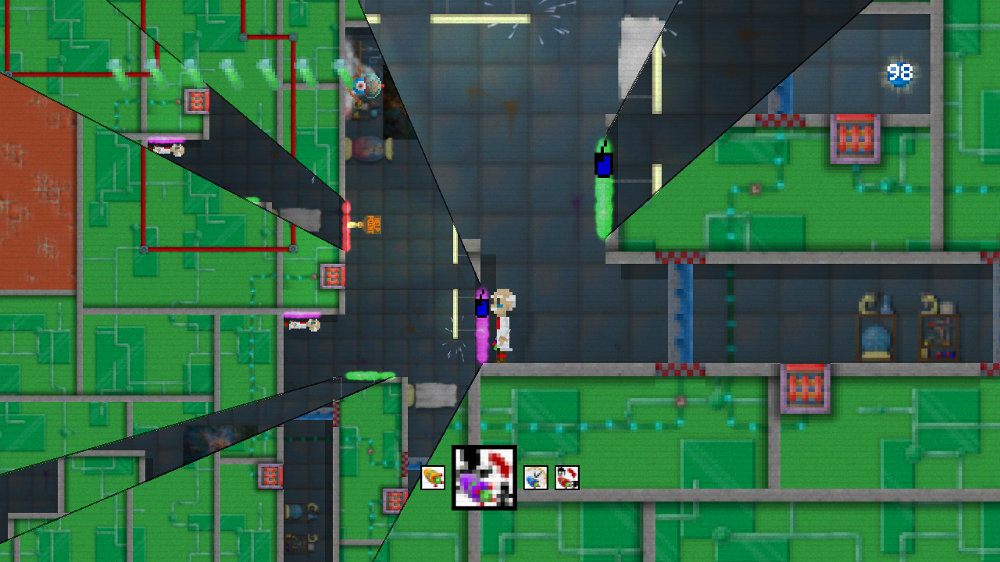
Things start out smoothly with the simple portal gun. It plays more or less exactly like a 2D Portal game. The first twist comes with the size portal thing, which allows you jump through one portal and come out the other end either larger or smaller. Sort of like Alice and Wonderland without having anything tell you “Eat me!” At this point, things are still pretty straight forward. And then comes the Time Travel gun. The idea behind it is you place one portal and then wait for some time to pass. Then, you place the second portal and hop through it. When you come out the other side, you travel back to that point, with your former self doing whatever it was you were doing while waiting for the time meter to fill. At this point, any sense of wonderment in the puzzles is replaced by conundrums designed to blow your cerebral cortex.

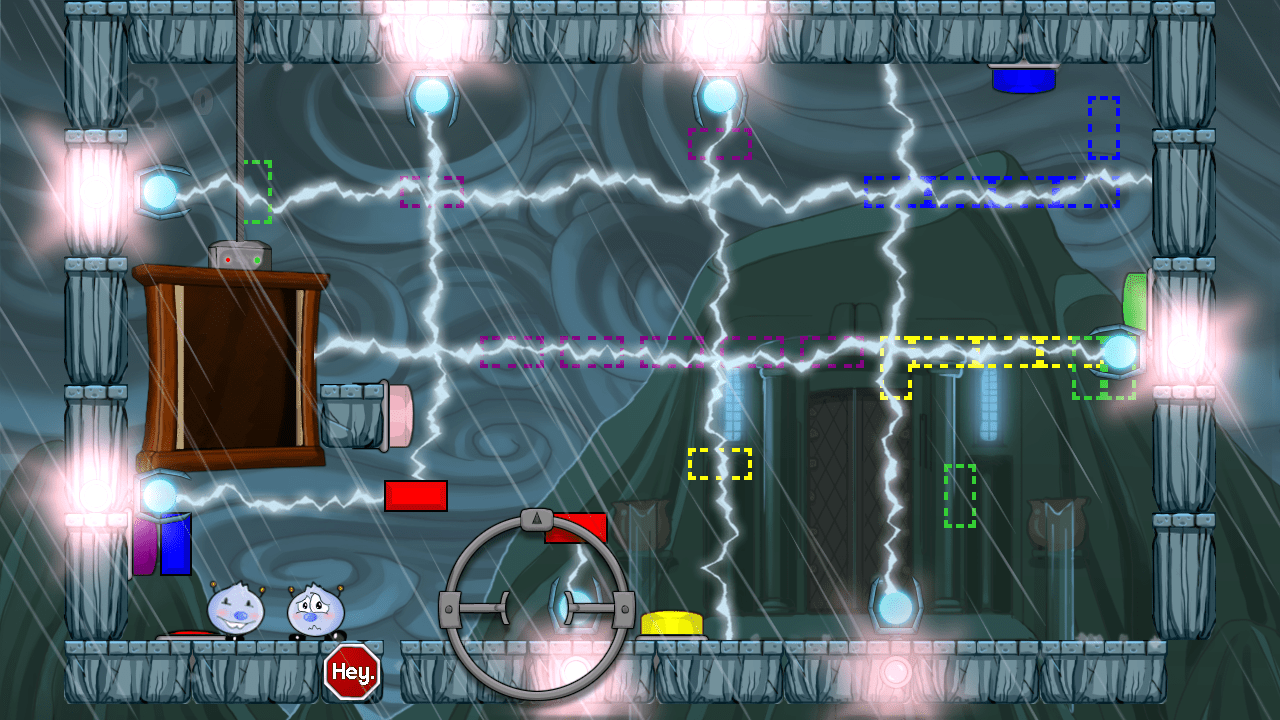
See this picture? You will be expected to recreate it at some point. If this doesn’t sound like something you think you are capable of doing, go try your hand at Diehard Dungeon. I’m not kidding. I can’t stress this enough: this game is fucking hard.  I showed this picture to Brian, Bryce, and Cameron, and the results weren’t pretty.  Brian walked out of the room, complaining of a headache.  Cameron buried his head in his lap and began to cry.  And poor Bryce keeled over dead.

Doc Brown would be thrilled with Gateways, which requires you to think 4th dimensionally. Once you’ve made “clones” of yourself, you have to use them to stand on switches and line up mirrors to deflect lasers, all within a small amount of time. Although you can get items that extend how long the time portal works, it never really eases up on the tension of getting everything absolutely fucking perfect, with no room for error. This is harder than it sounds, because moving from portal to portal is disorienting. Solving puzzles requires concentration, coordination, and cognitive thinking on a level no game in history has. That’s not hyperbole.

The first time I encountered a puzzle that used the time gun and required you to make clones of yourself that reflect a laser, I literally froze in my chair and processed the turn the game just made. Gateways wasn’t fucking around anymore. But the game wasn’t done. It added more abilities and guns. By the end of the game, puzzles require you to use multiple guns, time windows, and abilities. It’s so much to juggle that I sincerely doubt 99% of all people who play Gateways will ever actually finish it. Don’t believe me? Here’s a video of the solution to the final puzzle. Mind you, even with this video, people are having trouble finishing it. Don’t worry about spoilers either. There’s no possible way more than 5% of this will stick anyway.

I get a headache just from watching it. Now imagine trying to solve it yourself. Not just knowing the solution, but selecting the right guns, the angles of the mirror, lining them up correctly, paying attention to the orientation of the room, remembering where the already created clones will be standing, the locations of the switches and the lasers, what portals do what and lead where, and what order you’re supposed to do everything in. Hell, most people can’t stand on one foot and with their eyes closed.

Earlier puzzles offer a “help” system which really is just a “we’ll solve it for you” system. Throughout the game, you collect orbs. Every puzzle is marked with a “help” station that works in two parts. First, you have to pay five orbs just to see if you have the equipment necessary to finish it, even if you already know the answer. Then, if you get truly stuck, you can pay 40 orbs to have the game take over the control and finish the puzzle for you. I wasn’t a big fan of this set-up. I almost wish there had been some middle-ground option that steers you in the direction without outright playing the game for you. To solve some puzzles (including the final one), I cheated by putting numbered masking tape on my TV so that I would know where exactly to stand. Maybe something like that for 10 orbs would be preferable to having the game solve itself for you. Oh, and you can’t buy the solution to the final puzzle.

Needless to say, this difficulty spike makes Gateways a title that won’t be enjoyed by everyone. Or most people actually. I really, really enjoyed it, but I didn’t forget what it was. Or the many annoyances I experienced playing it. Not just the brain freezes, but little things. I found switching between the flashlight, mirror, and guns to be somewhat unintuitive, and that really makes the final few puzzles more annoying than they have to be. I found the flashlight stages aggravating. I don’t think the game really needed enemies at all, or dying, and these things could have probably been comfortably edited out. And I wish the game had a bit more personality. That’s really the difference between this and Portal: I wanted to solve the puzzles in Portal so that I could hear the next bit of hilarious dialog from GLaDOS or Cave Johnson. Gateways is played completely straight, and that’s really disappointing.

Brian wanted me to note that he did not find it difficult to cycle through the various items. Noted. Now I would like to note that he made it about 25% through the game before stopping and he never had to deal with the ultra complex stuff.

Right before publication, my buddy Tristan of Clearance Bin Review became the latest of many players I follow on Twitter that threw in the towel at some point on Gateways. I stuck it out, and I’m happy I did, but overall I believe Escape Goat is still the better game. It controls better, is more accessible to everyone, and has more personality. Gateways is hyper-intelligent, but that actually works against. It’s still, as of this writing, the second best game time I’ve ever had with an XBLIG, but such experiences will not be typical, so purchase at your own caution. You can’t possibly get a feel for how much grey matter this requires just from the demo. It catches you by surprise.

Let’s put it this way: imagine if every XBLIG had a human counterpart at a bar. Gateways would be the genius of the room who traps you in a corner, forgets who he’s talking to, and starts to practically speak in tongues. At first you feel like you’re privileged to be in the presence of such intelligence, but after an hour, with no end in sight, you start to look for any excuse to break up the conversation. By the way, Cute Things Dying Violently would be the frat boy making inappropriate dead-baby jokes, Don’t Die Dateless Dummy would be the slow, awkward kid who trips over his own tongue every time a cute girl walked into the room, and Sententia would be the guy who gets drunk, passes out, falls off the bar stool, and lands face-first into a puddle of his own vomit.

Gateways! was developed by Smudged Cat Games

240 Microsoft Points heard Raventhorne has been doing the Dance of Joy ever since Sententia came out, as it’s no longer the defacto “disappointing game in an XBLIG showcase promotion” poster child in the making of this review.

Gateways! is ranked on the Indie Gamer Chick Leaderboard.  Click here to see where it landed.

Gateways Reviews from the rest of the Uprising Crew: TheXBLIG.com and Clearance Bin Review

Tales from the Dev Side: Greenlight, Red Light by Alex Jordan

Although I’ve sworn many times that Xbox Live Indie Games have a bright future, developers are treating the platform like a freshly pruned-by-iceberg Titanic.  For many, the brass ring for distribution is now Steam.  The problem with that is Steam is a tough nut to crack.  And then hope came in the form of Steam Greenlight.  But is it really hope, or is it all smoke and mirrors?  Cute Things Dying Violently developer and Greenlight hopeful Alex Jordan  has a few thoughts.

Greenlight, Red Light

by Alex Jordan

The life of an up-and-coming indie game developer sure is a great one. I mean, think of the perks!  Scant management, vast amounts of creative control, and great appreciation for the finer things in life, e.g. ramen noodles.

And, hey, there’s also the disproportionately huge share of revenue you command!  Unfortunately, 70% or 100% of shit is still shit (roughly “shi” if you’re using the 70% model, including the dot above the i, greedy bastards), so pretty much every last indie developer has had one nagging thing on their to-do list for the past four or five years: beg for distribution on Steam.  Because, let’s face it, it’d be super nice if people had actually heard about your game and maybe would deign to buy it.  If that were the case, you could consider quitting your day job, or at least consider having something for lunch other than rehydrated noodles in sodium water.

And because the only thing out there more in abundance than ramen noodles is desperate indie developers, the guys and gals at Valve who run Steam have had to fend off these Morlocks with a stick.

Pictured: Cute Things Dying Violently creator Alex Jordan and his fiancée.

For every indie game that manages to pass through the Pearly Gates, 100 get denied or ignored. Enter: Steam Greenlight, Valve’s way of saying, “Here! You look at shitty MS Paint art.  We’ll just sit here and make decorative pants out of $100 bills.”

Having had Cute Things Dying Violently rejected by Valve back in July, Greenlight (which was announced roughly three days after I got my rejection email) seemed like a juicy consolation prize.  A community indie games voting site for a large captive audience of Steam users, designed by a developer as canny and talented as Valve? Sign me up!

And I did. Pretty much the moment it went live, back on August 30.  And that’s when the horrible truth set in: Greenlight was. . . decent.  It wasn’t great, it wasn’t terrible, it was just. . . a filter.  Pure, exhausted convenience distilled into a website.

What’s Going Right?

My first 20 minutes with Greenlight were pretty blissful.  It was streamlined and easy to use, and I managed to register CTDV with trailer, screenshots, and description inside of ten minutes.  And pretty much the moment my page went live, the unique page views started pouring in.  The “large captive audience” I mentioned earlier is nothing to sneeze at.  Just by virtue of being on the platform, my game and others like it were getting a degree of attention that was unprecedented just hours earlier.

It’s also marvelously easy to provide feedback on games.  For each game page there’s an upvote button, a downvote button, and a Favorite button.  Additionally, Collections make it easier for third parties like gaming websites to promote a series of games.

What’s Going Wrong?

I’m not going to harp much on the reviewer’s experience, since most gaming journalism outfits have already beat me to it.  The short version is that discoverability is still a problem; talented developers with attractive games are unavoidably lumped together with complete crap; trying to cast several votes efficiently is a navigational cul-de-sac; and, unfortunately, the Greenlight community is full of slack-jawed retards.

“Gameplay looks like iphone appstore level trash” said Cletus Gumtooth of Pine Knot, Kentucky. Jed Toomanytoes of Camden, TN noted “looks like a boring, bad, lazy game thats just like a multitude of other terrible and boring games. also i want to fuk my sistah.”

How obnoxious can they be? Well, many of them didn’t know what Greenlight was for.  They thought it was a way to request their favorite AAA games getting on Steam as opposed to indie games.  Plenty of people who knew what the deal actually was were scarcely better, and each game’s comments thread began racking up scattershot feedback that many YouTube vets would cringe at.  One man’s Cthulhu Saves the World is another man’s crappy RPG Maker clone, and one man’s Cute Things Dying Violently is another man’s “stupid Flash game.”  Ouch.

I’m sure the majority of Steam accounts are held by lovely people, but you can only read so many variations on “Your game sucks” or “Get fucked m8” before the scales fall from your eyes.  After all, these are the people whose votes you need.

Oh my God, I turned out to be a politician anyway.

The Developer’s Experience

Anyway, such delicate interaction proved to be a wee bit of an eye-opener.  The rest of the developer experience on Greenlight isn’t much better.

The most notable aspect of the developer’s experience is one of confusion and withheld information.  Putting a game on Greenlight, with its studied silence from Valve and its schizophrenic community, is like being asked to stand in one place and alternatively receiving either kisses or kicks to the genitalia.

And those are the only two forms of feedback.  Initially, developers (and only developers) got to privately see their game’s percentage of upvotes to downvotes, but that disappeared after a few days when it became apparent to Valve that downvoting – either legitimate downvotes or those by trolls – served no other cause than to drag down a game’s up/down ratio.  Downvotes don’t subtract from upvotes, but, initially, we didn’t know that.  For reviewers, a downvote got the game off their to-review screen.  For developers, it was a sign of dislike for the game and perhaps even a negated upvote, as Valve hadn’t told us otherwise.  We got to suffer in silence for a few days, watching our numbers degrade, before Valve put us out of our misery and yanked that wonderful feature.

And then there’s the “% of Calculated Ratings So Far” bar that shows how far along your game is on upvotes before it gets submitted to Valve.  Well, the fine folks at Valve don’t quite know yet what level of participation the Greenlight community will have, so they’ve erred on the side of caution and set the number pretty damn high.  Even standout games on Greenlight like Project Zomboid have only gotten about 20% of the votes they need, while the rest of us plebes get to hang on to single digit approval percentages.  (Granted, it’s been less than a week, so take my whining with a grain of salt.)  And since developers don’t get to see how many upvotes their games have actually gotten, there’s nothing for us to extrapolate from.  We just get to sit, and wait.  And get kicked in the balls.

Hey, I’ve Done This Before. . .

Despite its shortcomings, Greenlight still presents a big opportunity for indie developers.  Whereas previously Valve would almost certainly take a look at your game and flat-out reject it in the same split second, now we have an opportunity to land a game on their laps with some sort of critical consensus and the understanding that Valve employees will review it with the time and attention it deserves.  Gone will be the days of instantaneous judgment leading to rejection and developer misery.

Thus, Greenlight becomes a plausible shortcut.  Sure, it’s an extra step in the process (you used to be able to just fill out a form on Valve’s website and send your game in), but if your game emerges intact on the other side, odds are you’ll soon be sitting pretty.

Cute Things Dying Violently has seen modest success on various platforms. Which is probably a good thing. If it did any better, you know a certain Silicon Valley mobile company would be right there with their “completely original” physics puzzler “Adorable Creatures Perishing Disturbingly.” Then they would probably sue him for stealing their idea before they thought of it.

But here’s the thing… Greenlight’s voting threshold and discoverability shortcomings mean that the developers still need to do quite a bit of hustle to gain attention and upvotes.  Which is. . . hey! I recognize that feeling!  That’s exasperation, having just realized that this is what we’ve always had to do, and will always have to do.  I don’t think any of us developers were naïve enough to think that Greenlight would be a straight ticket to success, but what we got instead was another chapter in the same story we’ve been reading for years upon years: capitalism is hard, and you gotta work for it, and in the end you still might get shafted for no fault of your own.

That means instead of spamming Kickstarter solicitation emails, now you’ll be spamming Greenlight solicitation emails.  (I’m sure gaming journos will be just as eager to read the latter!)  Developers will still be struggling to worm their way into bundles and promotions, desperate to practically give their game away just to get a little bit more recognition.  Networking will still be paramount and journalists will still need to be schmoozed at bars, but last I checked, I really like beer and I really like talking about myself, so that’s not a problem.

In the end, Greenlight represents yet another dance routine on the never-ending popularity contest that all obscure indie developers have to participate in.  It’s certainly not bad, and dare I say the vetting process still represents a good opportunity, it’s just that it’s underwhelming.  Greenlight’s another queue, another procedure, another form that needs to be filled out on the road to possible opportunity.

It is, in short, the perfect microcosm of the indie developer experience.  Does that look like a raw deal to you?   It shouldn’t.  It may seem like deferred, somewhat unlikely success, but it’s worth a shot, isn’t it?  If it wasn’t, we would’ve given up.  And judging by the growing number of games on Greenlight, that ain’t gonna happen.

Penny Arcade’s On the Rain-Slick Precipice of Darkness 3

I never have been huge into Penny Arcade, or comic strips in general for that matter.  I did read it for years, but after a certain point it was done more out of habit.  I suppose it’s the same reason I always check what Garfield is up to every Sunday, even though I don’t think I’ve ever found a single joke in it to be funny.  I’m not sure anyone over the age of six ever has.  I heard a guy somewhere in the South once laughed at one of the endless “he’s a fat cat, get it?” gags, probably something involving lasagna, but that might be an urban legend.  At least Penny Arcade is topical to me, even if it’s really just observational humor with a couple generic stock characters conveying it.  It works, because we notice these things too.  And after going through their recent archives in preparation for this review, I learned that it’s still funny.  I mean come on, who could have watched E3 and not laugh at this?

Having said that, I really didn’t enjoy the first two Penny Arcade games.  And it had nothing to do with developer Hothead Games, who went on to do Deathspank and The Swarm, a couple of my favorite PSN titles.  I have a theory on this, and it goes like so: maybe these characters don’t actually lend themselves well to being in a video game.  Penny Arcade belongs outside the confines of the industry, looking into it and saying “you ever notice how fucked up all this is?”  When you place these characters in a position to drive a complex narrative, it seems like the entire point of their existence has been missed.

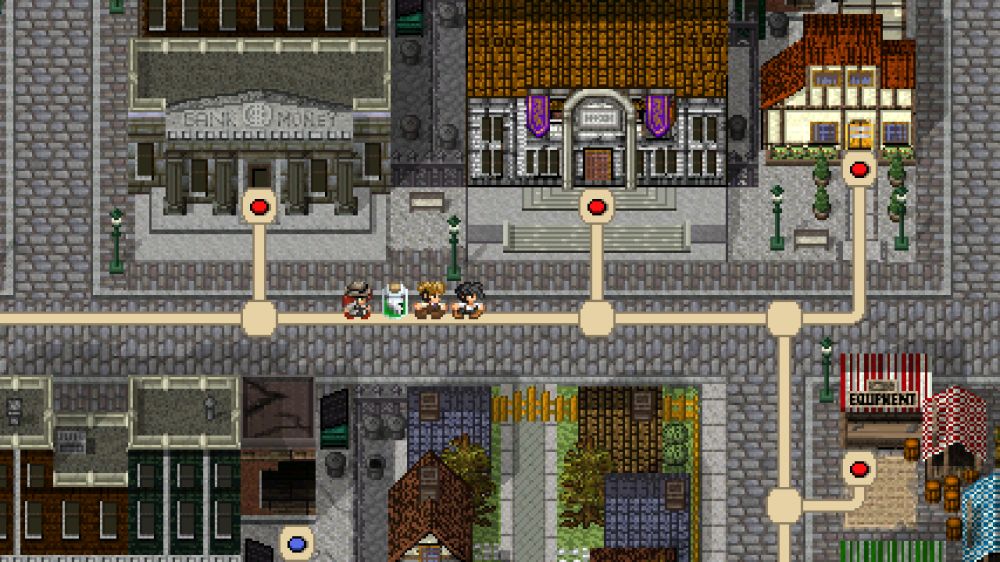
The Mario Party series has gotten weird.

I pretty much feel the same way about the latest Penny Arcade game.  Even with a new developer, the insanely talented guys at Zeboyd Games, something about it just doesn’t work.  One of the biggest problems is how married this sequel is to the original two games, the second of which didn’t exactly set the sales charts on fire.  It seemed weird to me that they would do another sequel.  I figured the people had spoken with their wallets and there wasn’t a lot of interest in continuing this particular story any further.  Granted, you don’t need to have played the previous two games to play this.  In fact, they advertise that fact in the game’s blurb on the marketplace.  Again, if we’re going to do that, maybe they should have just started all over with a fresh storyline and new characters.

I actually thought the storyline for On the Oil-Slick Recipe of Blackness Electric Bologna 3 was as dull as a butter knife at times, while downright fucking surreal at others.  The dialog can be sharp and at times very funny, but most of the time I was just like “please stop talking so I can fight something.”  The jokes are hit and miss (emphasis on miss), with the funniest bits not coming until you’re about 75% done with the game.  The best laughs I got were typically from the enemy names, although some of them were pretty damn good.

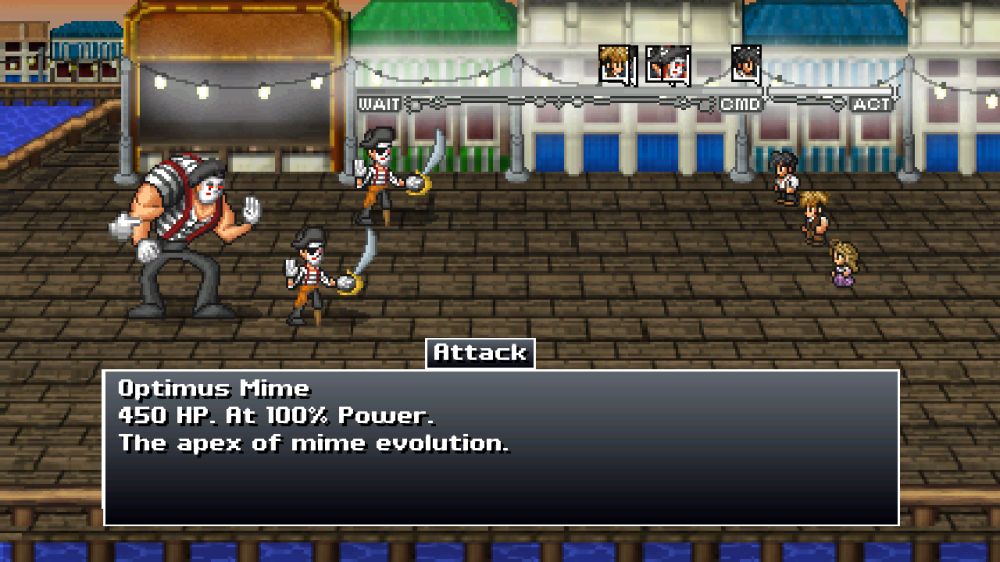
Ha, Optimus Mime. Classic.

The actual plot of Tycho being some kind of janitor to the universe was confusing and clumsily handled, and I would be hard-pressed to think of a way the ending (the real one, not the bullshit one) could have let me down more.  Maybe if it had advocated the benefits of eating baby seal meat while getting puppies drunk on helium.  I’m still not sure that would be as disturbing as the tone the game took at the end.  It would be like ending a wacky situational comedy by having the lead character suffer a nervous breakdown after watching someone smother a chicken to death.  Only it wasn’t a chicken.  IT WAS A BABY!

(Brian, who actually has watched M*A*S*H*, just told me that the show was supposed to be half-serious, half-comedy.  Yea, fuck that.  It had a laugh track.  It was a comedy.)

I’m not just hating for the sake of hating here, by the way.  If all the stuff you read in the previous 672 words sounded bad, let me reassure you that On the Slick-Dick of District 9 is one seriously amazing RPG.  You can tell Zeboyd spent many of their formative years growing up playing the classics of the genre (which typically included at least one of the following three words: Fantasy, Chrono, or Mana), but knew what could make them better.  So when they were all grown-up, mentally warped, and insane enough to give game production a try themselves, they actually fixed what was wrong with RPGs.  As opposed to most RPG developers who include every antiquated, conventional mechanic, just because that’s how an RPG is supposed to be.  Gone from this game are random encounters, items to juggle, and boring fights that you could win by training a woodpecker to beat on the A button while you go outside for a smoke.

In their place is a simple-yet-deep system involving “pins” that change your character class on the fly.  Each of the four main characters has one default class, but you can equip up to two others, each of which levels up independently as you play the game.  I loved this set-up and was still mixing-and-matching the different pins right up until the last boss.  It never got old, and that is so rare in a role-playing game.  Whenever things threatened to get repetitive, the game will toss out special conditions to change things up, if only for just a fight.  It’s nice that a developer finally recognized the potential for their game to stagnate and put fail safes in to prevent that.

Every mechanic of this game just works.  The combat is fast paced, varied, smart, but complex enough that you have freedom to experiment.  It’s a rare turn-based RPG that feels like more than scrolling through menus.  You truly feel like you are in charge.  Sure, a few stereotypes rear their ugly heads.  The accessory system is more or less the same shit every RPG has, but at least it complements the fighting system well.  Thankfully, you don’t have to stockpile items.  Every item used is replenished between fights, and there’s only six types anyway.  It sure beats dealing with a U-Haul full of potions, mid-potions, high-potions, elixirs, herbs, tents, and bombs.  Instead, you pay to upgrade each item in a shop, or buy the ability to use it more times in every battle.  Having dealt with decades of what RPGs have taught us, that you’re allowed to carry enough health potions that you could practically replace your own blood with the shit, I liked this system.  It kept things clean.

Penny Arcade’s On the Rain-Slick Precipice of Darkness 3 is not perfect.  The dialog can just drone on and on.  When the dialog works, it’s entertaining.  When it doesn’t, that’s usually when it just won’t fucking shut up.  But, as a game?  It’s incredible.  Again, I think most of the problems with it can be tied to the source material.  Penny Arcade is funny.  Penny Arcade as a semi-comedic, semi-dramatic video game is not.  These are characters that make jokes about iPads and E3.  I don’t want to see them dealing with doomsday scenarios and deep introspective soul-searching.  I want to see them taking the piss out of the gaming industry.  Rain-Slick 3 doesn’t do that.  I figure there’s two ways to go around it.  One is to do a straight gaming parody, like Airplane! did for disaster movies.  The other idea is a bit more radical: leave the Penny Arcade characters out of it.  Make Penny Arcade the gaming brand for parody, like National Lampoon or Monty Python do for film.  Oh don’t worry Mike & Jerry.  You guys can still have the ego-inflation you need by inserting yourself into the games, but as cameos.  Hey, some people go very far doing that!  You know that old dude with the sunglasses and the mustache that’s in every single Marvel Comics movie?  Stan something.  Yea, him.  Get this: it turns out THAT GUY actually wrote the original comics those films are based on.  I know, right?  Crazy shit!

Maybe I accidentally didn’t play the right game. Instead, I played a game called “3” that was about the guy from Metal Slug hunting Adam Lambert.

Penny Arcade’s On the Rain-oh fuck it.

Penny Arcade 3 was developed by Zeboyd Games

400 Microsoft Points thank everyone for an incredible first year.  I love you guys.