April 24, 2012
by Indie Gamer Chick
Over the course of April, I have gotten a request to plug someone’s Kickstarter literally every day. That’s not hyperbole. Sometimes I get more than one a day. As of yet, I haven’t plugged a single Kickstarter, and I probably never will. At the rate I get requests for it, my site, or at minimum my Twitter account, would become a dedicated Kickstarter alert channel. This has been going on pretty much non-stop since Double Fine Productions asked for $400,000 and received over three million dollars during their Kickstarter. You can practically see every wannabe indie developer walking around with dollar signs in their eyes since that happened. Before Double Fine’s, I hadn’t received a single request for one. Since March, I’ve had over fifty. Developers also aren’t afraid to hound you by sending you requests several times a week. In my case, they start getting uppity with me if I don’t immediately tell my readers to spend their hard-earned money towards funding the hobby of someone else for little or no return.
Let’s get something straight here. You are NOT Double Fine. They were able to raise money because they have a long, proven track record with the genre they were raising funds for. You are a person with an idea. Maybe a good idea, but that doesn’t entitle you to free money to attempt to realize it. People could confidently give cash to Double Fine, because they know something will come of it. Meanwhile, there are developers who have a history of abandoning projects before completion who are asking for some shockingly large sums of money.
Having a Kickstarter for an Xbox Live Indie Game seems especially dim to me. This is a platform where a game is lucky to make $1,000, yet some people ask for ten times that, or more. And what do they offer back? XBLIG developers only get 50 tokens to pass out, and they can’t purchase more. So not everyone will get a copy of the game. It kind of throws out the whole “Kickstarter as a pre-order outlet” theory I’ve heard a lot of this week. Then again, who pre-orders a game for $10,000? Because that’s what some of these developers ask for pledges of. That’s assuming they can actually program a game while wearing their straight jacket.

Granted, I don't think I could resist pledging for a sequel to LaserCat.
I have viewed a ton of Kickstarters (and some planned ones), and I don’t deny that some people genuinely have the ability to pull off the games they so ambitiously panhandle for. That’s why I’ve come up with a list of some handy-dandy tips to make your Kickstarter stand out. No sarcasm here. These are genuine pointers.
#1 – Have a track record to prove you have the talent needed to make a game.
If you’ve never made a game before, don’t bother with a Kickstarter. Make a game first. A good game. Show us that you’re talented enough and creative enough to see a vision through. Go through the same ups and downs that any novice developer experiences. If you have no talent, no amount of money will change your ability to create a good game. Maybe you’ll find out that developing games is not what you expected it to be and move on to something else.
#2 – Explain why you need the money.
Having a good idea for a game doesn’t entitle you to free money. People should know exactly what the money is being spent on. High end work station? Better programs for graphics? To pay a sound designer? People should know. Don’t be vague about it either. Account for every single dollar you need, and explain exactly why you need it and why you can’t do it yourself. Do you need to hire an artist? Find the artist, get a price quote, then include that person’s portfolio and cost in your Kickstarter. Generically saying “we need to hire a graphics guy” doesn’t work for me, because whose to say you won’t just keep the money yourself, or give it to a novice who is no more qualified to do it than you or I are? I want to know who you’re hiring. I should know. It’s my money. When I ask what you need it for, saying “because” is not a good way to win me over. Which leads me into the next point..
#3 – Prove you have the discipline necessary to use Kickstarter wisely.
When I asked one gentleman why he needed his Kickstarter money, his answer was shocking in its glorious stupidity. “I need it so I can quit my job and devote all my attention to my game.” That is an actual answer I have gotten from a developer whose previous experience was a couple non-successful (but critically well-received) games. I’ve said it before and I’ll say it again: a career in independent game development is a long shot at best, so don’t quit your day job. If you start a Kickstarter so that you can, you’re basically turning yourself into a digital hobo. Asking people to use money they worked for so that you don’t have to work and can devote all your time to what should be a hobby and nothing else is so incredibly brazen and stupid that I have to chalk it up to some kind of mental illness. Maybe video games do rot your brain.
I’m not interested in paying you so that you don’t have to work. If you’re bound and determined to go down this path, my tax dollars will already be footing your bill when your game inevitably busts and you end up on welfare in the coming months. Ethically speaking, I think giving you a head start on that sends the wrong message. I want my money to go to someone who has their priorities in life straight. That generally means someone who makes rational decisions based on their desire to not be on food stamps.
Lack of discipline rears its head in other ways. When someone opens a Kickstarter, then tweets about their week-long benders and the massive amount of weed they can smoke, I think to myself “so I have to sacrifice my money for you, but you don’t want to sacrifice anything for your own project.” One person sent me a Kickstarter that was asking for $2,000. On their Twitter, they talked about a surfboard they had their eye on. One that costs, you guessed it, $2,000. Now, I’m not suggesting the person would use the money from their Kickstarter to buy the surfboard. I’m not saying they wouldn’t either. What I am saying is the person made it clear, they WOULD be buying the surfboard, yet they wanted an additional $2,000 to fund their other hobby. So what is getting the priority? Will you be focusing on the game, the one you’re begging strangers for money so that you can develop it, or the one that benefits nobody but yourself? If the person had said “I love surfing, but I’ll probably be spending my time this summer finishing my project” I might have taken them more seriously.
#4 – When writing your Kickstarter pitch, at least pretend to give a shit.
I’ve seen Kickstarters where the developer couldn’t bother to do a simple spell check, capitalize words, or use punctuation. Never mind all the points listed above. If you can’t even bother to make any effort when asking people for money, why would I think you would make any effort when it comes to the actual development part? I would assume you’re going to half-ass it, just like you did with your pitch.
#5 – Don’t make your pitch sound like a threat.
One developer who sent me their Kickstarter had made a semi-successful PC game. They had an idea for another project, but their Kickstarter sounded more like a hostage situation. It took a pretty snotty tone, something along the lines of “My idea for my next game is blah blah blah, but if I don’t get X amount of dollars, I’m not even going to bother with it. It’s not worth my time.” Yea, that makes it sound like you really care about your idea and will make the best effort to do well with it. I know some game developers pride themselves on being aloof and irreverent, but when you make like you’re holding a knife to the throat of your own concept, I sort of want to tell you to go fuck yourself. Really, there are thousands of games released every year. I don’t care if you don’t make your game. I’ll just play something else.
#6 – Do something original.
This is the final point. I don’t want to fund something that is a clone of something already out there. Nor do I want to pay for something that uses RPG Maker or some other lazy game creation tool. I want something original. Something weird. Something one-of-a-kind. Or especially something risky. After all, isn’t that why Double Fine had to resort to a Kickstarter? These are the guys who made Psychonauts and Brutal Legend. Regardless of whether you liked them or not, they were considered under-performing games, if not outright busts. So the likelihood of them getting any publisher to stake them on a dead genre like point and click adventures was probably slim to none.

Pictured: the man responsible for me adding the word "Kickstarter" to my spam filter.
I do admire the shit out of Tim Schafer. I’m not necessarily a fan of his games. I never even played any of his point and click adventures. Remember, I’m 22-years-old. Which doesn’t excuse me for never having played Psychonauts either, but that’s beside the point. I admire him for being an entrepreneur. And for Stacking, which was so overlooked. I also think he needs to tell novice developers that they aren’t him, and to stop with the unnecessary Kickstarters. For those of you who genuinely have a reason to ask for crowd funding, the six tips above were for you. For everyone else, before asking for money to create yet another zombie game, put in long hours and work to improve your development skills. You’ll know you’re ready when your dream project is in fact not another zombie game.
Like this:
Like Loading...
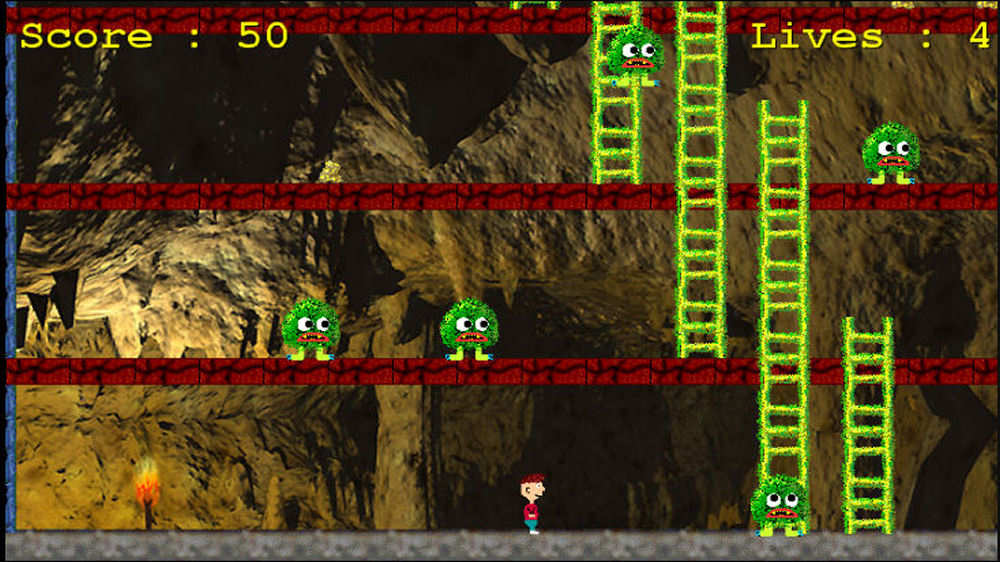
 Gold Miner was developed by Winsor Computing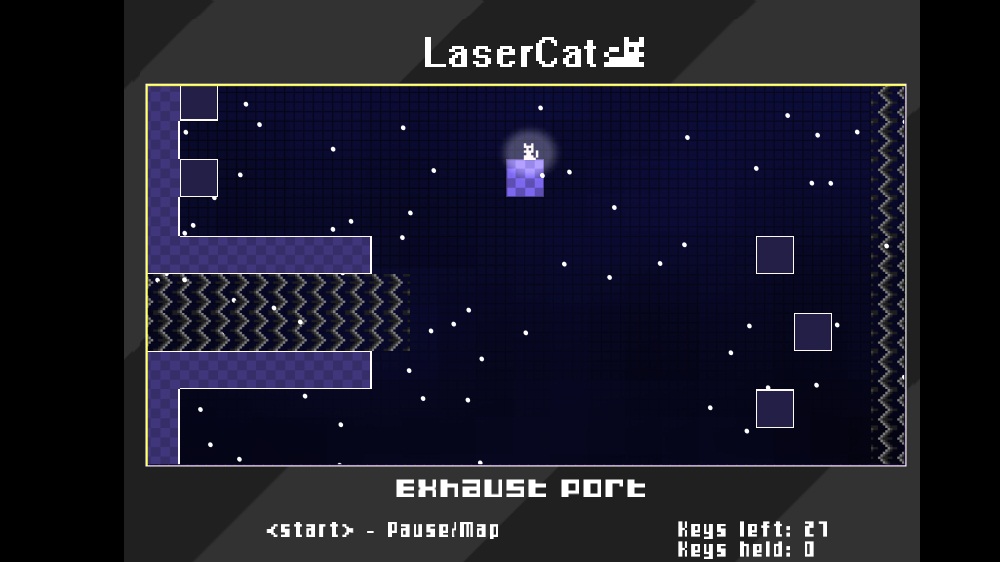

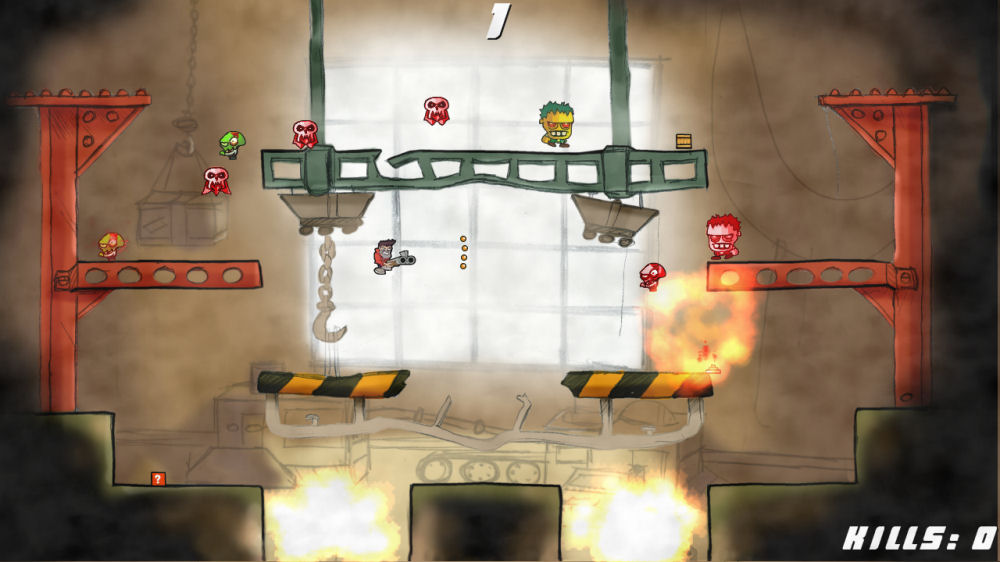
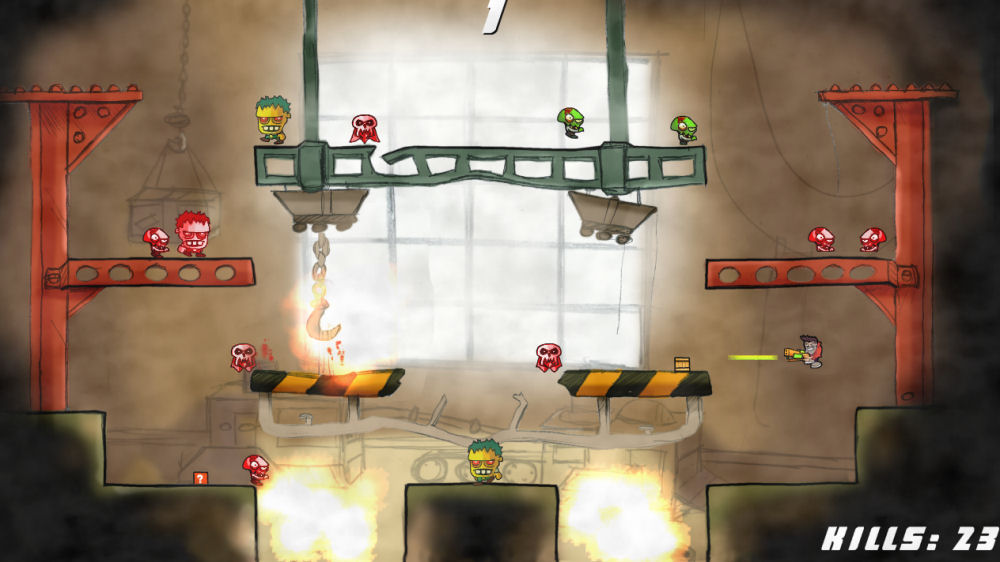

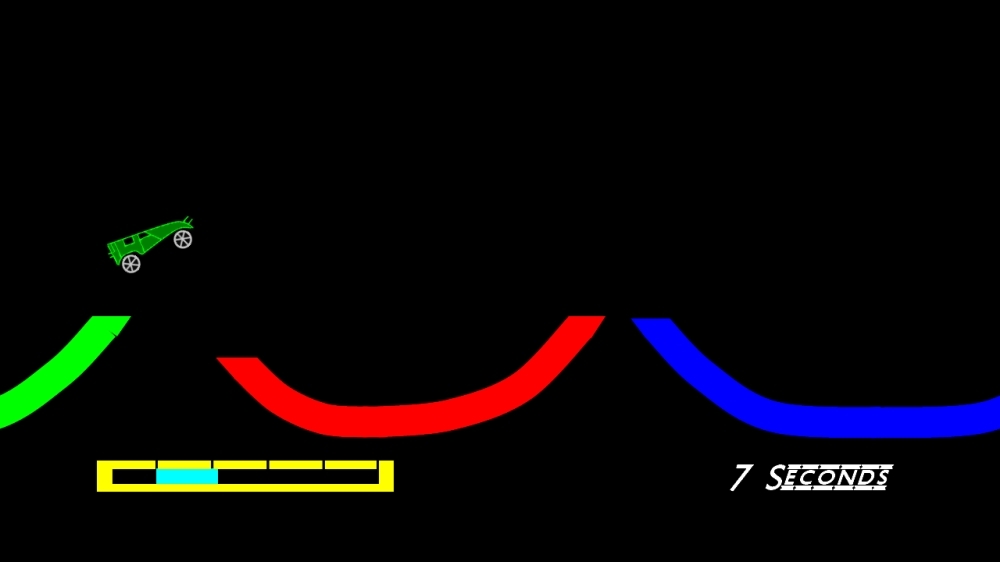
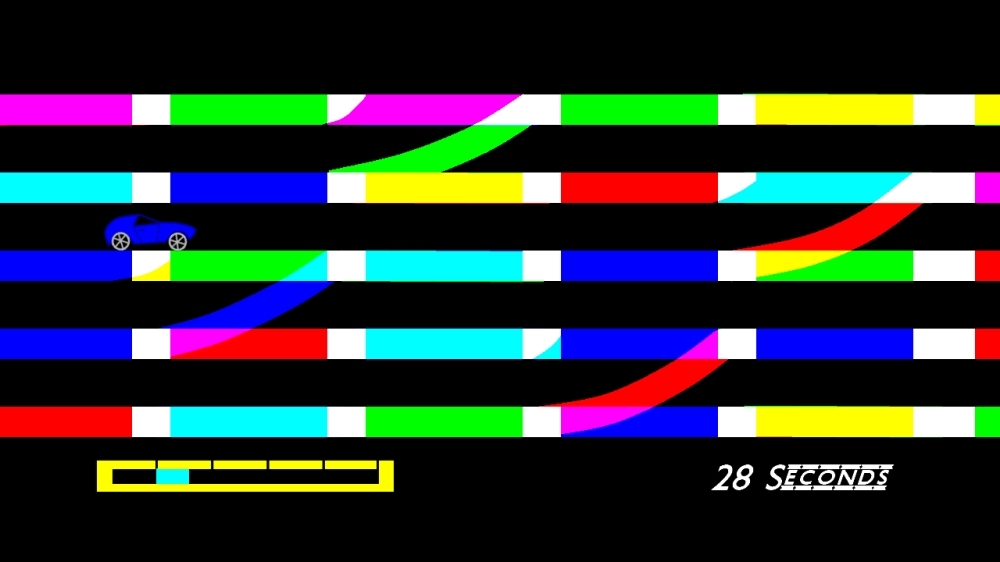


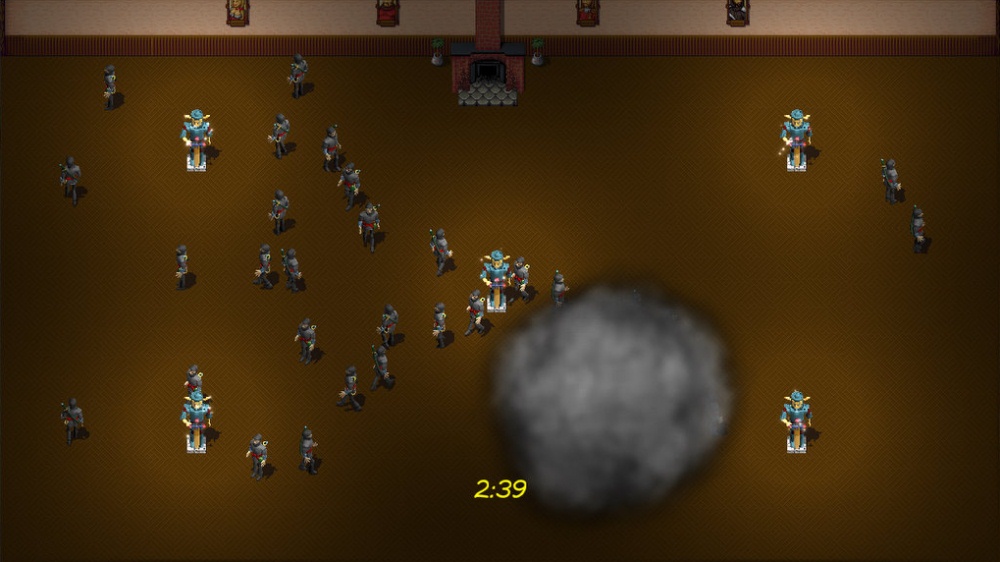
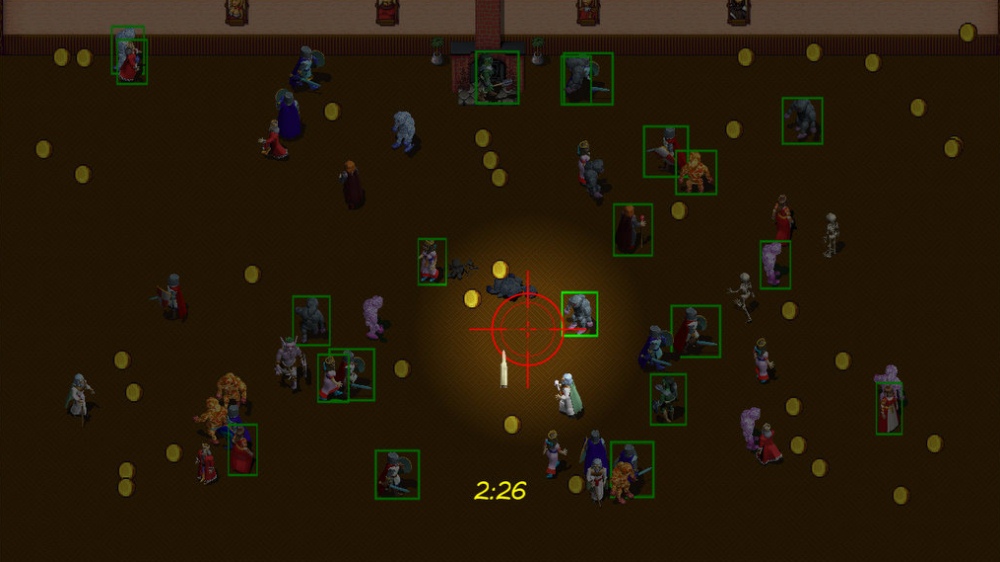

 $1 doesn’t actually have a job wheel or make interns clean the toilets at work, so you can start breathing again, Gavin in the making of this review.







 RSS - Posts

You must be logged in to post a comment.