Welcome to ChickStarter: Indie Gamer Chick’s advice column on making your crowd funding pitches better. Successfully securing a pledge will require a promising game and a good pitch. I can’t help you with the game. That’s up to you. But taking pitches is something I have a ton of experience with. ChickStarter is about refining your pitches, not critiquing the games being pitched.
You Forgot to Carry the One
You’re a game developer and you’re in need of funding. You turn to Kickstarter. You’re seeking $10,000. You’ve also recently spent several hours huffing paint fumes and stabbing your brain with a cotton swab because the total cost of the absurd rewards you’ve picked (everything ranging from t-shirts to a personalized stool sample complete with certificate of authenticity) is going to cost you well over 10% of the money you bring in. You also forgot that Amazon and Kickstarter will combine to take 10% off the top already. Also, funds received through Kickstarter are considered a form of income and subject to income tax, which you could end up on the hook for and might have to pay at some point.
Suddenly, that limited edition art book that will cost you $60 off a $100 pledge looks mighty stupid. And, just so we’re clear, IT WAS!
Look, perspective Kickstarter starter, sit down and let’s have a quick talk. I know you’re anxious to get up and running and watch those pledges come in, like some kind of demented, less charitable, game-playing Jerry Lewis, but you’re going about it wrong. People are coming to your Kickstarter trying to create a game, not purchase premium items they may or may not get (many rewards never come through) for a game that may or may not ever come out. The primary concern of a pledger is helping to assure a game that looks interesting to them comes out. They don’t require art books or hoodies or a private party with you to be enticed into making it. They just want assurance that you’ll deliver the game and not fuck about with other distractions. What’s ironic is, having expensive, overly-complicated rewards suggests that you will do just that.
People will pledge based on the potential of your game and the likelihood you can finish your project as stated in your pitch. The more costly and impractical the rewards you pile on, the less likely a consumer will view that as happening.
King Voxel probably won’t reach its goal, possibly on account of looking like yet another 3D Dot Heroes game. I think it looks just fine. More importantly, the rewards are all completely plausible in-game stuff. Well, besides a giant LEGO figure for the top tier. Sure, it’s already built and the developer just has to eat the shipping cost, but still, lame. Click the image to check out the full pitch.
Giving Away the Orchard to Sell a Few Apples
The above example of the art book costing $60, which came from a pledge of $100? I didn’t pull it out of thin air. In fact, I’m pretty friendly with the developer who did it. He shared it with me on the condition that I wouldn’t reveal his name and make fun of him. But while I admit that I broke half of our agreement, I will give him at least enough credit that he wasn’t totally at fault. He got some bad price quotes and didn’t do his due diligence. He also didn’t take into account the classic and true saying all businesses taking on start-up costs fail to account for: shit happens. In this case, it took a couple attempts to print that damn thing right, and they had to swallow the cost of each printing fuck-up.
So, if you insist on having physical rewards, your first step should be to get an exact cost of those rewards. Do your due diligence. Shop around. Get quotes. Take bids. Don’t be afraid to ask for samples. Find out if you’re on the hook for misprintings or bad runs. Once you have an actual cost, make sure you’re squeezing the maximum value of those items by placing them in tiers that generate a high multiple of the actual cost of the item. It makes no sense to have reward #1 be $10 netting a free copy of the game (at a cost of $1 to you after the royalty), then having reward #2 be a copy of the game and a tee-shirt if the shirt costs $17 to manufacture and ship, netting you a grand total of $3. And that’s before Kickstarter’s royalty and tax liabilities.
You have to quit looking at the rewards as an item you’re selling. You’re asking for donations, and segmenting cool treats, but not products, to higher bidders. So save those physical rewards for higher tiers. A tee-shirt should probably be reserved for the $50 range. An art book that will cost you $20 to make and produce should be in the $100 or over range. But before making physical items, ask yourself what exactly you need from Kickstarter. If you tally up the exact cost to be $10,000, you need to factor in the royalty you owe Kickstarter and the cost of any physical items you wish to include to bring people in. Then, you need to ask yourself if the risk of having those physical rewards potentially putting your goal out of reach is worth it. Maybe it’s not.
Oh, and don’t purchase the rewards ahead of time. They should all be made-to-order. It’s going to be humiliating enough when nobody funds your game about cybernetic chickens busting crack dens on the wrong side of the tracks. It will only sting worse if you’re sitting on a pile of hundreds of unwanted “Clucking Crack Crusaders” shirts that even the fucking homeless shelter won’t take off you.
It’s in the Game
As a game developer, you have a unique advantage over some other companies that use crowd funding: your most attractive rewards can cost you nothing. Rewards can come in the form of including the donor as an NPC in the game. Or a boss. Or an alternate skin. Or just in the background, as a statue, a painting, or unseen as townspeople gossip. And, of course, the reward most people who frequent Kickstarter are looking for is simply a copy of the game when it’s finished. It adds up quickly. Let’s say you’re making an RPG. You could segment the rewards as follows.
Tier One: $10 for a copy of the game upon completion. Potential raised: $5,000 if you get 500 pledges at this level.
Tier Two: $20 for a copy of the game and early access (possibly in the form of a beta). Potential raised: $4,000 if you get 200 pledges at this level.
Tier Three: $50 Appearance in the game as a town-person. Limit: 50. Potential raised: $2,500
Tier Four: $100 Appearance in the game as a hero or companion. Limit: 10. Potential raised: $1,000.
Tier Five: $250 Appearance in the game as a major plot point, boss character, or central figure. Limit: 4. Potential raised: $1,000.
Total raised: $13,500, which is about $12,150 after Kickstarter’s royalty.
If you set a goal of $5,000 for your project, the types of people attracted to Kickstarter would probably be more receptive to those kind of rewards. If your game looks promising enough, you should be able to raise the money without spending a dime. Also, in the event that your Kickstarter is a modest ask, somewhere in the $25,000 range, physical rewards probably should never enter into the discussion.
Tales of Descent also doesn’t look like it will reach its goal, though I’ve heard from friends and readers that might be because the demo was underwhelming at best. Still, I appreciated the realistic rewards, all of which come at no cost to the developer. Though really, development streams are the types of things anyone should have access to when promoting your game. They shouldn’t be held for ransom when they’re promotional in nature. Click the image for the full pitch.
Now You’re Just Being Silly
Sometimes, rewards are just so absurd that you can’t help but laugh. A common one is the meet and greet with the developer. Now, if you’re someone with name-recognition, that might mean something. If your previous release sold three-hundred copies on Desura, asking for $10,000 to hang out with you is narcissistic and delusional. Even if you had “name value” in the form of a modest Steam hit, I don’t think I would want to hang out with anyone who thinks their mere presence alone is worth a few thousand dollars. They would probably be kind of douchey, don’t you think? This is yet another thing we get to thank Tim Schafer for, because he got $40,000 from four pledgers at 10K a pop to have lunch with him. That worked for him, because he’s Tim fucking Schafer. You’re someone whose game reached #358 on the Xbox Live Indie Games top-selling chart. You would be lucky to have someone eat lunch with you and pick up the check, let alone get $10,000, or $1,000, or even $100. If the reward involves anyone flying out to meet you, save it. I don’t know who you are, but I assure you, you’re not worth it.
This also applies to developer lessons, Skype calls, personalized phone messages, or anything that involves what you perceive to be your own star power. Is there really any game developer, great or small, that’s recognizable just by their voice? If Shigeru Miyamoto left a message on my phone that he was going to disembowel me with a urine-soaked samurai sword, I wouldn’t know it was him! But even if I did, very few people I know would appreciate that I just got a threat from the master himself. If I have to explain to them who the person is, it’s really not that big a deal. So while motion picture related pitches can get away with having a star create a custom message for you, you’re not a movie star. You’re not even a game development star. You’re an indie. Seriously, what are you doing?
Here’s an example. Really good-looking game, truly. But I haven’t heard of DIGITLUS. Why are they worth $10,000? Unless the meet-up with them involves mountains of cocaine and the world’s most flexible prostitutes, I seriously doubt anyone will get $10,000 worth of entertainment out of it. Click the image for the full pitch.
It Doesn’t Have to End with Kickstarter
One thing about funding anyone, whether it’s though a crowd-funding or venture capital, is that the person receiving the money always ends up needing more than they think they do. That’s why you end up seeing people with successful campaigns go back for seconds. This only serves to shake the confidence of those that already backed you and give you the appearance that you can’t manage money. Your initial pitch should probably ask for 1.3x what you need, and that’s BEFORE factoring in tax liability and Kickstarter’s royalty. If you earn more than you ask for, don’t think about stretch goals. Put that money aside, because shit will come up, and you’ll want to have that money handy when your best laid schemes go astray.
But, funding doesn’t have to begin and end with Kickstarter. If you included physical rewards as part of your campaign, there’s no reason why you can’t have those physical rewards be sold separately on the side to earn you a little extra cash for your project. Take tee-shirts. The margin that you get for each shirt sold, we’ll round off and say is $10. So why not go through a shirt-person and keep the availability of those shirts going long after your project ends? Sell ten shirts, get $100, potentially pay off a professional artist for one more day of work. You can increase your margins and make the shirts more attractive by bundling a copy of the game with them. For most shirt people, all you have to do is provide them the art work and they’ll handle the rest, including the shipping. For Indie Gamer Chick, I’m going through a gentlemen named Wally Hawk, who will handle the orders as they come in and donate my cut of the shirts to the Epilepsy Foundation for me. I don’t have to lift a finger. All you have to do is promote your own website, and link to it somewhere on there. Drop the link occasionally on social media, noting that all your proceeds from the shirt will be funneled directly into the game. It couldn’t be simpler.
Rewards Won’t Make You
Ultimately, rewards will not make you. They might break you, if they’re lame or egotistically overpriced. But, really, whether or not your game gets funding will probably come down to the potential of your project, the price of your ask, and properly articulating why the game can’t happen without funding. I picked rewards to kick-off Chickstarter because it’s where I see the entrepreneurial tendencies of indie game developers to do a face-plant most often. Where you show your naivety. You guys typically aren’t businessmen, but sometimes you have to think like one. Structure them in a realistic, plausible, producible way. The ultimate litmus test is this: will any of the rewards you plan on offering make you second guess whether you can deliver them? If the answer is yes, even for a split-second, you shouldn’t have them.
Hey. First off, it’s nice to meet you. My name is Benjamin, and I’m a gamer with bohemian ambitions. I am artsy and/or fartsy. I want to be a writer. Not a celebrated writer or anything like that. I just want to be a guy who writes at least one thing that touches at least one person. At that point, I figure I’m breaking even in the world.
But mostly, I just play games and think about writing. All sorts of games, really. The more retro inspired a game tends to be, the more I seem to be interested. I love the SNES, and I think game design and philosophy peaked somewhere around that era, before veering suddenly into a scary, daunting world of budgets and mass marketing. Fortunately, indie games have rekindled that philosophy.
So here I am, with the intent of finding games that will grip me the way Mega Man or Link to the Past did. Tirelessly hunting for games with story lines as compelling as Final Fantasy Tactics and game play as tight as the Virgin Mary, I solemnly swear to you, my reader, that we will sort through the bad and reclaim gaming’s glory,
But, if you are into all that main stream mumbo jumbo, you can find me writing about that over at Cheat Code Central and God is a Geek, you corporate tool. Or, if you’re particularly in love with me, you can stalk me via a semi-updated list of my hard hitting journalism and high caliber word stuff —that has been ruthlessly scattered across the veritable cyber cosmos of these here e-webs— by clicking the following link:
But in all seriousness, I’m psyched to be contributing here at indigamerchick.com . Been following IGC since she started this site, and stood in awe as it grew to have the influence it does. I hope I can bring something worthwhile and unique to the team, and I’m seriously hoping to click with the readership. This site would be nothing without the personality that is Cathy, and the vocal community that supports her. Follow me @benjaminmaltbie and maybe we’ll, I don’t know, play a game or something.
After two years with a very fine-point focus on Xbox Live Indie Games, Indie Gamer Chick is now shifting towards coverage of indies across all platforms. You’ve probably noticed that the amount of games being covered from PlayStation Network and Xbox Live Arcade has increased lately. The reason for that is simple: the sun is setting on XBLIGs, and the community that has graciously supported me over the last couple years has started to move on to other avenues of indie distribution. Thus, the community that existed when I started this blog in July of 2011 is being absorbed by the overall indie community. It makes no sense to stick by one platform anymore.
This doesn’t mean coverage of XBLIGs is stopping here. In fact, XBLIGs will probably occupy most of my time over the coming months. But we’re also on the verge of two new consoles being released, each of which will have some form of open publishing for indie developers. Probably. Not to mention Nintendo is also joining the self-publishing bandwagon. I mean, they’ve been saying they’re doing that for months and yet their Wii U eShop is still a wasteland of moldy virtual console titles and little else. But, I’m sure a new breed of indies will arrive soon. Maybe. Fingers crossed.
Thomas Was Alone finally hits the Leaderboard, where ironically it won’t be alone.
The biggest change to Indie Gamer Chick is the Leaderboard, which is now multi-platform. I’ve known this changeover was coming for a while, and I’ve spent the last several months agonizing over how to handle games that straddle the line on whether they’re “indie” or not. I certainly don’t want to rank a game by a well-funded, multinational company against a garage-shop project made by two people. It simply wouldn’t be fair.
But, where do you draw the line? What makes a game indie and another not? Even developers are confused by the issue. Is it the size of the studio? Their funding? What about how long they’ve been around? Have they done larger licensed properties? If they get distribution through a publisher, how much creative control (if any) do they give up to that publisher? Often, there’s going to be a lot more questions than answers. For example, how do you define Tokyo Jungle? Sony owns the IP and their Japan Studio was involved in the development in some capacity. However, a studio called Cripsy’s (founded in 2007 by a group of gamers with no development experience) created the concept and handled most of the development side of things. And Toyko Jungle only came about after a series of failed pitches for other concepts to Sony. It would seem Sony had minimal creative feedback in Tokyo Jungle, except in areas related to promotional material. Hell, they barely managed to secure a US release, because Sony believed the game was too niche for us filthy American swine.
Tokyo Jungle – Indie or Not?
Thankfully, I don’t have to answer that. I didn’t review it, and I don’t plan on it. But I did review several games where that line isn’t so clear. What would you call Worms: Revolution? It was developed by Team17, who has been around since 1990. They’re independent in the sense that they’re not owned by a major gaming company or a multinational conglomerate. But they also have a staff of 75 people, and let’s face it, Worms is a hugely established gaming property. Bordering on iconic.
Worms, eh? Never heard of it. Must be one of those newfangled Indiana games I keep hearing about.
After months of debating, Brian and I both agreed that they weren’t “indie” in the sense that we’re aiming for. Then again, we’re not sure what we’re aiming for. Indie is becoming less a culture and more of a marketing term. We’re having trouble finding where the indie line is, let alone what falls on each side of it. Thatgamecompany had the might of Sony’s marketing machine to push Journey into the realm of success. But Sony had no creative feedback in Journey, and at the time it was made, Thatgamecompany only had nine employees.
I went with indie. In fact, I put it #1 on the Leaderboard. I loved that game. But, since Journey came out, Thatgamecompany has raised millions in venture capital and seen their games released on a compilation disc. I doubt I would classify any future games by them as indie. I’m not ruling it out either. I’ll have to wait and see.
The game that gave us the toughest time to sort out was CastleStorm. Zen Studios, like Team 17, is independent in the sense that they aren’t owned or anchored by any major publisher. But, according to Wikipedia, they employ between 50 to 100 people, most of which are in Budapest (according to Mel Kirk, their American arm employs three people in California). Most importantly, they have worked on such major properties as Ghostbusters, Marvel and Star Wars.
Mel Kirk of Zen Studios defines his company as indie. He told me:
In my opinion (and in short), an independent developer is someone or ‘a group’ who control their own destiny. They do not have to answer to marketing, executives, publishers, etc. The developers themselves are 100% in control of the creative vision, all aspects of development and publishing, marketing, public relations, etc. That means indie devs can be 2 man teams or even 80 people – as long as they are in 100% control of the game and are there is no outside influence impacting development.
Fair enough. But, let’s face it, they wouldn’t have had full creative control on many of their projects, even if the Disney people didn’t exercise it. If they included a special table in Star Wars Pinball that showed Jar Jar Binks getting sucked off by Han Solo, Disney would have beat them to death with a plastic lightsaber and fed their remains to George Lucas. Then again, unless you’re publishing a game yourself on PC, you’re never going to have full creative control. Steam and the various console publishers will keep certain subjects taboo and never back down on those.
Forget about Jar Jar and Han. Sucking off wouldn’t be allowed in CastleStorm either. There is NO SUCH THING as full creative control for console-based indies. You’ll always have some kind of rule hanging over you.
Anyway, despite having to concede that CastleStorm was fully conceived internally with no outside funding or influence, we ultimately didn’t call Zen Studios “indie” in the sense that their games should be stacked against the Thomas Was Alones or Escape Goats of the world. It somehow didn’t seem fair. And that’s probably how I’ll ultimately decide what gets filed under indie and what doesn’t. The label of “indie” is too abstract to draw up specific lines for. A studio could be staffed by thousands of first time developers on a shoe string budget and no contacts to guarantee funding or success. On the flip side, if Shigeru Miyamoto or John Romero started a small three-man operation, you probably wouldn’t call their efforts “indie” no matter the game’s size or scope or budget. That’s what I’ll have in mind when it comes time to decide whether a game gets ranked or not. I’ve spent the last six months trying to find “the indie line” and have come to the conclusion that there’s no such thing.
If you have epilepsy, do not use this editorial as a baseline for your own ability to play games. Consult with your doctor before attempting to play any video games.
In order to play upcoming Xbox Live Arcade title Charlie Murder, I had to ditch my beautiful Sony 3D LCD television and instead slum it on an old projection TV with a fading image. In addition to that, I had to bring extra lighting into my office, and wear sunglasses. This was in addition to my normal precautions, which include a proper distance from the screen and my medications.
Photosensitive epilepsy is the hand I was dealt at age sixteen. I don’t think I’ve ever experienced anything as terrifying as my first seizure. It’s something I wouldn’t wish on my worst enemy. But what was really terrifying about it was, I love video games. They weren’t the only thing I was potentially about to lose out on forever, but they were the thing that at age sixteen I felt I couldn’t live without the most. It took over a month before my doctor and various specialists were able to deduce what I had. When I was sat down to have explained to me how my life would unfold from here on out, I remember being too scared to ask if I could play games ever again. I couldn’t even spit it out, and the doctor excused himself to get me literature and my starter pack of medications. Finally, I kind of whimpered to my parents “I don’t think I’ll be able to play games again.” When the doctor walked back into the room, my father was the one who asked. I felt a literal weight lift off my stomach and shoulders when he said “it’s not out of the question, but she’ll have to exercise caution.”
Ever since my Vintage Hero review, I’ve been besieged by endless requests to try another Mega Man-inspired XBLIG. Well, I actually did purchase Rad Raygun way back when it came out. It became one of two XBLIGs that triggered a seizure in me. The developers of Rad Raygun are not responsible for that at all. I am. I took the risk of playing it. They had warned me that they were unsure about sections of the game and that I should show caution. I played it anyway, because I was like “well, it looks like an original Game Boy game, with pale greens, blacks, and whites. I don’t think it could possibly set off a seizure.” I’m not sure where exactly the spell happened, but there was a moment that caused it. I don’t remember most of my experience with it, but according to Brian, I seemed to be enjoying it despite some objections to the controls. I would also like to say that developers TRU FUN Entertainment were super classy and apologetic about the whole thing, despite having done NOTHING wrong. I appreciated their sympathy and I will look forward to their future projects. They’re good dudes. You can read a review by my friend Tim Hurley of TheXBLIG.com right here.
I was advised to wait until my body got used to the medication I was given. In that time, I had exercised extreme caution towards such simple things as turning on lights or watching television. Games require slightly more attention than passively watching TV, but at least I knew gaming would return to my life. Then I was given the go ahead to play games, with the understanding that it could be years before I fully had a handle on what could set off a seizure, so caution and supervision would probably be required. Also, you know how every game has one of those bullshit “remember to take a break every hour” reminders? Yea, those would never be bullshit for me again.
So obviously I did the happy dance of joyful elation and jumped right back into my beloved games, right? Well, no. I remember looking at my Xbox and picturing Russian Roulette in my head. Literally, that’s what I thought. I imagined a bullet being loaded into a chamber, and pushing the power button as pulling the trigger. I didn’t play games that day. I didn’t play them again for nearly two weeks after I had been given to go-ahead. The next time I played a game, it was for my Nintendo DS. With the back-light turned completely off. It was a game called Lost in Blue, which I had previously started and not finished. I knew it wasn’t flashy. It was my ease-back-in game. Eventually, epilepsy became the boogeyman. I dealt with it on a regular basis, but not from gaming. Nearly eight years later, and I’ve probably had seizures as a direct result of playing games maybe five times.
Two of those seizures were the result of games I was reviewing for Indie Gamer Chick. Do you know whose fault it was that I had those spells?
Mine. And mine alone.
My doctor made it clear to me: gaming will always be a risk, from here on out, for the rest of my life. The fact that I can even play games today is something I’m very grateful for. Epilepsy has limited my life in other ways. I can’t get my driver’s license. Nor should I attempt to get it. I would be a risk to myself and others. I met a fellow who lives with epilepsy who told me it was bullshit that he couldn’t get his license, even as he conceded that he couldn’t predict his spells. I thought, “wow, you’re an incredibly selfish human being, are you not?” Personally, if I had to choose between risking the lives of others on the road or catching the bus, I would think the bus would be a lay-up. I guess not everyone feels that way.
I am absolutely worried sick that I won’t be able to play Rain. I would guess the game will feature lightning effects, which are typically the cause for those bright, screen-wide strobes that set off seizures in me. Will I be heartbroken if Rain turns out to be off-limits? Yes. Is it the end of the world? No way. There are thousands of games that aren’t off-limits to me. In that sense, I’m extremely lucky. Some people can’t play games at all. UPDATE: I could play it. As it turns out, I should have been more worried that the game would be boring.
You know, as a kid, I loved attending Golden State Warriors games. I was obsessed with them. When I was eight-years-old, I loved Latrell Sprewell so much that I convinced myself that P. J. Carlesimo’s neck must have assaulted Spree’s hands. Today? I can’t safely attend Warriors games, because flash bulbs explode for every player introduction, fast-break, dunk, lay-up, or if a visiting star like LeBron James so much as smiles on the bench.
Now imagine if I took my no-Warriors limitation to the extreme and said I would sue the Warriors organization, the city of Oakland, and Oracle Arena if they didn’t ban flash-photography from the building. Not only that, but force them to also eliminate the flashy home-team introductions, and the rally-graphics from the display screens. It would create a boring atmosphere for everyone. Personally, I would hate myself if I caused that. Yet, since my epilepsy became public knowledge, I’ve had many people afflicted with it say we ought to all come together and file a class-action lawsuit against the gaming industry. Ummmm, no. We really shouldn’t. Because we are in fact not the center of the universe.
I’ve had eight years to accept that not every game is playable by me. A few years ago, my father got me an Atari Flashback as novelty gift for Christmas. Oops. As it turns out, in the dark ages of video games, the only special effect developers had at their disposal was to make the game brightly flash strobes like it was trying to signal for a helicopter to land on your TV. You know what? I’m remarkably lucky. I live in an era where there are thousands of games accessible to me without fear of my personal trigger. Not only that, but the more hours I put into gaming, the more I’m able to accurately predict when a scene is coming up that will feature my triggers, and I can simply look away.
When I’m asked if I’ve ever played an old Atari 2600 game, if my answer isn’t “yes, I played it when I was a kid” then chances are the answer will be “I can never play it.” Old Atari games rely heavily on strobe effects, which are my personal trigger. I had a seizure playing the game Haunted House on the Atari Flashback my father gave me a couple of years ago. I did play some Atari games before I developed epilepsy. I even had Activision Anthology for my Game Boy Advance and Atari’s Greatest Hits for my Xbox. Chances are I didn’t like the games too much anyway. What can I say? I’m a whippersnapper with no appreciation for the classics.
Not everyone is as lucky as me, and I do sympathize with those that aren’t. I can’t imagine how my life would have played out if I had to quit gaming at age sixteen. At the same time, not everyone gets to experience everything the world has to offer. I know in America we teach that with hard work and perseverance it isn’t true, but unfortunately it is. If your epilepsy is more severe than mine, maybe gaming is not for you. Making threats against the game industry, or against hard-working developers is not going to make them sympathetic to your cause. Changes to the industry will not be forced by angry lawsuits. Angry lawsuits make people feel like they’re under attack. Which they kind of are. I find that not being a bitch about it makes people want to learn from me. If I berated them for having the nerve to try to be artistic, they might end up not being interested at all in learning how to improve my gaming life.
Do I wish there was a change? Yes. I wish developers would make some of their special effects that have no bearing on gameplay optional. But only if it’s cost efficient to them. That’s not always the case, but if it is, that option could mean the difference between someone like me playing their game and someone like me only hearing about it. A perfect example is Fez. At the time it came out, I had been doing Indie Gamer Chick for less than a year. My readers hadn’t quite got a feel for what was and wasn’t off-limits for me. Today? Hundreds of people have my back, and look out for games that are potentially dangerous for me to play. I have hundreds of guardian angels whose vigilance protects me on a daily basis, and that is cool as hell. But at the time Fez came out, I bought the game after some people had played it and said the flashing wasn’t “too bad.” It took me about an hour to find out that Fez was totally off-limits for me, because I had a minor spell while playing it.
I know Phil Fish is persona non grata today, but actually either he or someone for Polytron Corporation were mortified that Fez posed a risk for me. They couldn’t believe it, because the game had passed Microsoft’s seizure risk certification. What they weren’t aware of was that certification only applies to those without a preexisting condition. If a person already has epilepsy, it means nothing to them. Is that Microsoft’s fault? Absolutely not. Is it Phil Fish or Polytron’s fault I had a seizure while playing Fez? No. It’s my fault. I assumed the risk of playing a game, as my doctor made clear to me. That risk was realized and I had a spell. Fish and Polytron couldn’t have been classier in the aftermath of it. My only regret is I couldn’t play their game more. I was apparently enjoying it.
I wish gaming had a database for people with photosensitive epilepsy. Something as comprehensive as GameFAQs, only it listed potential risks and triggers for games. Who would contribute to this? Well, judging from the fact that I have hundreds of fans who on a daily basis warn me about games, movies, TV, or even random YouTube videos that could be a risk for me, I’m willing to bet gamers of all stripes would be eager to contribute. But, it’s not as easy as just listing the whole flashy, strobe-effect thing for everyone. Epilepsy doesn’t work like that. There are thousands of known triggers across the epilepsy spectrum. Some people are sensitive to flashes, like me. Some people are sensitive to repetitive patterns. Some people are even known to be sensitive towards specific colors. And once you have a feel for what someone’s trigger is, you’re not even taking into account their personal degree of sensitivity. In theory, everyone is vulnerable to epilepsy. That’s why certification like Microsoft’s exists. But for me? My sensitivity is all over the place. Sometimes it takes a lot to set me off. Then you instances like the one time I had a seizure from looking at my desk lamp, looking away for a moment, then looking back at it.
Who knows? Maybe one day, I’ll be able to play Fez. I was sort of counting on a Vita or 3DS port, which I could play with the back-lighting turned off. Alas, it doesn’t seem to be in the cards.
Obviously a database could not include everything. But if we could isolate the statistical top-triggers among the epileptic population and list possible risks of those in each game, we could open up gaming to thousands of people who don’t have the type of support system I’ve built up over the last two years. We could also use it to educate developers. I don’t want to compromise anyone’s artistic vision. I’m not that selfish. But if they can make those effects optional, that would be awesome. In fact, over a dozen XBLIG games have added such switches after the developers met me. I’m proud of what I’ve been able to accomplish as Indie Gamer Chick, but the getting the gift of having a game with a switch that lessens the potential risk for me to play it? It makes me tear up every time. We all have a chance to give this gift to an entire community of potential gamers. I don’t know how we’ll do it, but let’s make this happen.
I support the Epilepsy Foundation, a not-for-profit organization that aims to not only learn possible ways of treating epilepsy, but also strives to improve the quality of living among those who live with it. Their tireless work has been invaluable to my life, and the lives of millions of others. Follow them on Twitter (they only have 9,400 followers. Paris Hilton has eleven million followers. There is no justice) and if you have the means, please donate to them. Every little bit helps.
Let’s open up how we’ll tackle this database thing in the comments. I’m also hearing from my Twitter fans about possibly expanding the idea to include other limitations, such as color blindness, or games that can be played with one hand for those missing limbs. Let’s make this an actual discussion. I’ve said for two years now, I have the best fans in the world. Let’s prove me right on that.
I want to thank my friend Cyril Lachel of DefunctGames.com for being one of the guys who always keeps an eye out for me on the gaming thing, not to mention countless guys and gals on Facebook and Twitter. When I said you’re my guardian angels, I wasn’t being cute. It’s true.
In November 2008, the same month Xbox Live Community Games launched, I organized a geek dinner. I wanted to make sure there was some real geekery involved, so two days before the dinner I downloaded Microsoft’s XNA Game Studio. Until that weekend I had never developed a game.
This is not to say I never thought about it. I have been reading about game development since the early 90’s. My favorite topic is implementation of artificial intelligence. By 2008 I had read at least 10 books on game programming and installed the DirectX SDK on three separate occasions. Generally the process was install DirectX, follow some basic tutorials, see the effort required to make an actual game, loose interest.
XNA was different. In two days I went from knowing nothing to having a fully working Atari 2600 Combat clone. I went to the geek dinner with more than just some example code, I had a working game. I never got to share much code though. Some people brought kids and the kids wanted to play the game non-stop. They fully enjoyed this crude little game and got too loud shouting exclamations of fun for the other patrons. A game that I made! Granted I stole 100% of the gameplay but seeing the kids faces I was hooked. This is the drug that makes indie game developers, aka people willing to starve making something that will make them no money.
Around this time I remember looking at the games in Xbox Live Community Games (now Xbox Live Indie Games). There was some weird junk like In The Pit (a game with no graphics) and sin(Surfing) (more tech demo than game). There was also fun games like Weapon of Choice (Contra inspired shooter) and Blow (artistic physics puzzle game by yes, that David Flook). It was a bizarre freak show of gaming that welcomed everyone to join it. That has always been best thing about XBLIG, anyone can share their game. To paraphrase the mis-attributed Voltaire quote, “I think your game is shit, but I’ll defend to the death your right to publish it.”
It would be a year before I could focus on game development again. I had just launched CodeStock, and had CodeStock 2009 to plan. I wasn’t completely passive however, in the between time I talked Dylan Wolf into forming FuncWorks with me. Dylan is by far one of the best programmers I’ve known (also, not found of me linking that post). We work well together, never clashing on egos. Probably because he accommodates my ego and I don’t notice. Shorty there after, acknowledging we need a graphic artist, we add my then girlfriend now wife Cicelie.
As CodeStock 2009 wrapped, we focused on game development (after a brief attempt at a t-shirt site for Cicelie). With the experience of hosting the Chainsaw Buffett podcast I launched the Feel the Func podcast. This turned out to be the smartest thing I did, though it was just a side project at the time. I also did a really dumb thing, common among new game developers. I made a teaser video for a game that four years later still is nowhere near done.
It doesn’t look like much, but as a developer I had created a model, animated that model (which is why the walk cycle sucks), rendered it in game, moved it with a controller, and blended the animation with user input (turning the torso). I wish I had a video of Cicelie’s model moving (the mech screenshot at the end) because she did a much better job than I.
In the next few months we began to realize the size of scope required for ROCS. My oldest daughter wanted a game she had been playing at school for her birthday called Rumis. I suggested we pause on ROCS and create a game based on Rumis called IncaBlocks. I also decided I was not under enough stress and signed a publishing contract for my first (and only) eBook the XNA 3D Primer. Both were completed in the next three months.
I learned a lot in those three months. First, I have no desire to be an author even though I enjoy writing. Second, I suck at game design.
IncaBlocks flopped, and flopped hard. Not even a dead cat bounce. The best thing I can say about IncaBlocks is it wasn’t ROCS. If I had taken my dream game and killed it with the mistakes I made on IncaBlocks I don’t think I could have recovered. I had little emotional investment in IncaBlocks and it was easy to do a cold, clinical autopsy. Final verdict? The game is not fun and there is no awareness of XBLIG even within the Xbox community.
I wasn’t sure what to do about the first problem, but I had an idea on the second and GameMarx was born. The idea was to create an XBLIG review site that treated indies as AAA games were treated. This mean not just reviews and news, but also podcasts and videos plus a database of games. Websites and podcasts I knew, but I had a lot to learn about video production. One of these days I’ll dig out the very first episode of “The Show” that was scrapped and reshot, but man is it rough.
Reviews were serious business at GameMarx. We create a set of standards and guidelines and followed it religiously. The biggest rules we didn’t write down: the price of a game is never a factor, avoid the “angry reviewer” style, and a review is the personal view of the author, nothing more. These rules required a lot of time and effort from a reviewer, but we still ended up writing a combined 99 reviews in the year we spent on written reviews.
There were only a handful of video reviews done. I wish we had done more of these, but they took a lot of time to edit (I still need to finish editing Dylan’s video review of Aesop’s Garden). Instead we created a segment on The Show to talk about new releases and recent reviews while playing the games. This concept lead to GameMarx Trials where we played a game’s trial mode site unseen. Far from a review (each episode starts off with “this is not a review” title card) these were much easier to produce quickly and get out while the games were still on the new release list.
As GameMarx grew it became clear that XBLIG websites had the same problem as the games – no awareness. We were far from the only site covering XBLIG, and I decided to build a website of websites that would link us all together (webrings for those old like me). I contacted all the sites I knew of, got permission, and also contacted Nick Gravelyn and Andy Dunn (aka the ZMan) about taking over the domain XboxIndies. The site keeps a database of XBLIG, sales and chart performance, and also aggregates news and reviews from the participating sites. We even made a small API for mobile app developers (check out XBLIG Companion).
None of these articles got much mainstream attention. So in 2011 when the XBLIG section was again buried, I took my growing video editing skills and created a video using Major Nelson’s own words against him. This is GameMarx most popular non-boob video to date:
Didn’t make the cut, but there was a bit for the video where I tried to voice search for “Cthulhu Saves the World” and “Zeboyd Games” with no success. (If you want to know the most viewed video including boobs you’ll have to find it yourself.)
At the end of 2011 we decided to step away from covering the games. The site was growing, but it was clear to us the effort required was going to mean that’s all we did. In 2011 we played every game released on XBLIG so before hanging it up we did the GameMarx 2011 XBLIG Game Awards.
What made it easy to leave was XboxIndies had a steady flow of content from other sites, and Indie Gamer Chick was here to stay. While Cathy has a different style, and is dead wrong about review scores (no I’m not), she is getting attention for XBLIG developers and games. I’m also 37 and she’s still in high school I think with the I-don’t-have-three-daughters kind of free time I don’t. This means not only can she review many more games, but also has time to put together a project like the Indie Royale Indie Gamer Chick Bundle.
Leaving the review world meant we had a bunch of game codes we no longer had a right to use. So we created the GameMarx Indie Mega-Pack Giveaway to unload the extra codes (with permission of course). Several XBLIG developers contributed more codes and we ended up over 50 games to giveaway. Voice actress Rina-chan lent her talents to the promo video. We also ran a survey of the entries and collected some data on what gamers think about XBLIGs.
Getting back to development was a wonderful feeling. I took an idea I had for a game called Captain Dubstep and made a goal of submitting it to Dream Build Play 2012. At this point most of us XNA developers admitted XNA was dead from Microsoft’s point of view, so I created a site called “XNA’s Last Dance” and extended an invite to XNA developers to add their blogs and commit to entering what was the last Dream Build Play competition for XNA. This site wasn’t a success in terms of traffic, but it had a since of community behind it and I’ll probably bring over the idea of the site into GameMarx later this year.
What happened to Captain Dubstep? Well, the game wasn’t fun but we did manage to make the deadline. We did a whole postmortem at GMX 2012 if you care about the gritty details, but let’s just say we had no scope defined so it was a train wreck of direction changes.
I looked at the screenshots and was like “What is he talking about? It doesn’t look bad at all!” Then I watched the trailer, and was like “um, this looks like the worst thing ever created by man. Way worse than Ouya.”
I wish I could say the rest of 2012 was as productive. We did launch a few open source XNA based projects including XTiled and XSpriter. Most of the time though we spent in limbo, not sure of where to go after XNA. We changed the podcast to “mike only” and tried our hands at Let’s Play videos. I thought exploiting my daughters by making them play NES games on camera would be internet gold, but creating a viral video is harder than it looks. It also has become clear that making Let’s Play videos takes more time than anything else we’ve done, and would kill any time for game dev.
In May of 2013 I participated in the Ludum Dare, and in a weekend created the game Quest. For the first time I used Unity and I loved it (after a brief period of projecting my old XNA girlfriend on it). Unity is not like XNA in that you will do more scripting than programming, but once you get the hang of the IDE you can be much faster. The asset store is also a huge plus for a Unity developer – tons of art is a few bucks away.
Ludum Dare has a since of community I haven’t felt since the “good ol’e days” of XNA. If you’re a game developer, go now and mark your calendar for the next completion date. There are three full competitions a year and mini-LD competitions just about every month. I cannot recommend this more.
So what’s next for GameMarx and the FuncWorks crew? I’ve had plenty of time to think on this while recovering from having all teeth extracted due to extended radiotherapy I received ten years ago (fun FuncWorks fact: both Dylan and I are cancer survivors). The podcast will return shortly and will stay developer focused (probably with more Unity talk). If the content is useful to other developers I cannot say but hosting it has forced me to study deeper into game design that I would have on my own.
I want to continue Let’s Plays, but with a focus on Indies. The indier the better. I’d like to get to a point where I can regularly cover indies in GreenLight or Kickstater. Yes, that means betas and prototypes. I have no interest in the review side of things, I’ll leave that to Cathy and her growing staff (besides, she isn’t a fan of Kickstarter so I won’t have to worry about her page views crushing mine). This doesn’t mean I will play anything, I’m only going to play a game if I find it interesting at some level. And this doesn’t mean only positive comments – sending me your baby’s prototype means I can comment on how ugly it is even if it’s really smart. Also it has been eating paint chips so you might wanna check on that.
I’m still kicking around game ideas for FuncWorks. I want to get out another game or two in Unity before attempting anything like ROCS.
What about Microsoft? Well Unity means I won’t be making any XBLIGs for the Xbox360. The Xbox One? Who knows, even Microsoft can’t figure out what the Xbox One will be for Indies and with no plans for Indies at launch I see no reason to make any plans myself. If they get their act together and create a viable program I’ll look into it. Keep in mind while they announced/reversed their self publishing stance this week the XBLIG dashboard was frozen. Microsoft has yet to put indies on an equal playing field with publisher backed games in any of their stores. Call me jaded, but I just spent the last five years waiting for them to deliver on the promise of “democratize game distribution” and will need to see proof before believing this time is real.
Last, a big thank you to the fans and community who have shared in our journey. I’m still surprised and smile every time someone sends us an email!
Back in April, as the gaming landscape was preparing for a next-gen level shakeup, I was only thinking about one thing: XBLIG is almost done. I mean, there would be indies on Xbox One of course, but the community that I’ve come to know and love would change. It might be better. It might be worse. But it would certainly not be the same. I’ve thought about how my previous reviews would lose their relevance once those games were no longer available. I’ve thought about the types of games the hundreds of developers I’ve come to know and befriend will create in the future. Change is scary. I’ve spent two years trying to be the best (if not, the loudest) advocate for Xbox Live Indie Games.
Tough Sell
Has my blog actually done anything? Maybe, but not as much as I would have liked. Some developers have credited positive reviews from me for causing a brief sales spike, but nothing significant. On the flip side, I’ve had developers of games I absolutely cremated credit me with a bump in demo downloads.
LaserCat
But then I get down to the sad truth of the matter. There are games on my Leaderboard that have sold under 1,000 copies. Hell, there are games on it that have sold under 500 copies. There are games on XBLIG where I am literally the only person that bought it. I’ve played amazing games that sold so poorly that the developers became demoralized and quit. Being Indie Gamer Chick has been the privilege of my life, but sometimes the tales of woe from developers can be downright heartbreaking.
With the sun setting on this generation, I wanted to try to make one last big push for Xbox Live Indie Games. The community has come together in the past and done their best to promote the platform. There has been three promotions called the Indie Games Uprising that tried to showcase the best new XBLIGs. Unfortunately, the quality of those games was a mixed bag of some genuine gems to go with some unpolished, unfinished turds. The last Uprising was particularly devastating. Microsoft didn’t promote it until long after it had already ended, and when they finally did, the main game featured was Sententia. A well-meaning title that was almost universally recognized as being one of the most abysmal games the platform had seen. To have a game of its quality be the focus of an event designed to promote the best of XBLIGs only served to cement the unfair reputation XBLIG has of being nothing but low quality games that aren’t worth the average one dollar price tag.
I believed the reputation myself before I stated my blog. From the time XBLIG launched until the time that I started Indie Gamer Chick, I bought two games for it. Breath of Death VII was the first. I Made a Game with Zombies in It was the second. I enjoyed both, but attempts at finding more titles of their quality didn’t seem worth the effort. Mostly, I found a lot of demos of stuff that felt like they were developed over the course of a week, devoid of passion, and aimed at entertaining nobody. When I finally started my blog, it didn’t take me too long to find out that there are some really good games on the platform. But the sheer number of awful games drowns out the good.
Beyond that, XBLIG also got a reputation of being nothing but clones of popular games, particularly Minecraft. I’ve played the two most famous of those, Castleminer Z and FortressCraft. I didn’t like them, but I wasn’t really interested in Minecraft either. After playing them, I will say that they are quality games, if you’re into that sort of thing. But there are also a lot of similar games on the platform that weren’t as well produced as those two. At the same time, people would say things like “the top two Minecraft clones weren’t as good as Minecraft was.” Well, of course not (though I’ve heard from some Minecraft fans that actually prefer the XBLIG clones). But their popularity was directly tied to the fact that Minecraft wasn’t available on Xbox. Unfortunately, having clones top the sales charts unfairly painted the platform to look like it was only good for clones. Or if not clones, games featuring Avatars. Regardless of the quality of those games (admittedly, most games centered around Avatars are horrid, but not all of them), most regular gamers don’t like Avatars to begin with, and that turned them off the platform. Then you have non-gaming apps such as Rumble Massage, which is actually the #29 best-selling XBLIG of all-time as of this writing. When there are thousands of titles on the platform and an app that turns your controller into a vibrating dildo has sold better than 99.999% of them, people are just not going to associate that platform with quality video games.
Smooth Operators
So that is the handicap that myself, along with dozens of other advocates of XBLIG, have dealt with. I certainly wasn’t the first critic to focus on XBLIG. I’m just the most successful. But that success is only in comparison to other sites with an XBLIG focus. Your average moderately popular indie gaming site does multiples of what I do on my best day. It’s just plain hard to get gamers excited about good titles on Xbox Live Indie Games. It carries too much baggage. It’s also hard to get someone to take another look at something they’ve long since dismissed. That’s just human nature. In the case of XBLIG, most of what was wrong with it before is still problematic today, so anyone glancing would be likely to assume that nothing has changed. And they’re right, because nothing really has changed. That’s because there were very good games on the service all along. You just had to look closely to find them.
I had two ideas for trying to get a new audience exposed to XBLIG before the new consoles launched. The first was to do a bundle of PC ports for XBLIG. The problem with that was the odds on being able to get one off the ground were probably slim. Even good XBLIGs are a tough sell because of the stigma the brand carries. The other option was to do a massive giveaway of the best XBLIGs over the course of a single day. Well, you know how it played out.
Surprise! We Like Your Idea!
I sent an email off to the guys at Indie Royale sheepishly explaining my idea for a bundle centered around Xbox Live Indie Games. I couldn’t pitch them on the merits of sales potential, because there is no denying that the whole idea was a long shot at best. Thus, I did exactly what I advise people not to do when seeking investments from venture capitalists, or crowd funding, or angel investors: I pitched to them from the heart. I explained to them how the XBLIG/XNA community “adopted” me and what they’ve meant to my life. I was frank about why XBLIG’s reputation was fair, but the fogging effect it created caused the majority of gamers to miss out on some of the best indies of this generation. Finally, I basically said that these developers deserve a break, and that exposure on Indie Royale would not just benefit those with games in the bundle, but could open up the doors for greater recognition for the hundreds of talented developers whose games have sat unloved on XBLIG.
Little Racers STREET
Graeme, one of the main guys at Indie Royale, did respond to me. Which is awesome considering that I’m ultimately small potatoes on the indie scene. Not only did he respond, but I had caught his interest. We discussed the types of games I would include, and how we could set this apart from other bundles. Then, things went quiet for a while. So quiet that I was sure I got the blow off. So, I turned my attention to my alternative plan: a huge giveaway of the best PC ports for XBLIG. The idea was, the developers would have their games free for one day only: July 1, for Indie Gamer Chick’s Second Anniversary. After lining up over a dozen top-notch games, many of which I had planned to include in the bundle (plus other games that would be discounted), I thought I had organized a pretty good little event.
Then I heard back from Graeme. The Indie Gamer Chick Bundle was officially on. I just had to round up the games.
I changed my underwear and started contacting developers.
Rounding up Games
Your typical bundle usually has five games. The Indie Gamer Chick Bundle has eight. The reason for that is simple: I wanted gamers to get the best value for their money as possible. Many of these games sell for between $1 to $3 on Xbox Live right now, not to mention that some would have been featured on previous bundles. But most importantly, I wanted people to see that there is a huge variety of very good games on the platform that they had been missing out on.
If I could have, I would have included every single developer who wanted in. But that wasn’t an option. I’ve made tons of friends who develop XBLIGs since starting my site. I wish I could have included those I was closest with. But the concept of the bundle was that it was supposed to represent the tippy-top of XBLIG quality. After coming up with several variations, I ultimately decided to go off my leaderboard and pick the first eight games that were available in sequential order.
For those new to Indie Gamer Chick, the Leaderboard is a concept I adapted from BBC’s automotive show Top Gear. The idea I had was I would rank every game that I enjoyed in the exact order I would prefer to play them. The method is actually very simple. Whenever a new game receives my Seal of Approval, I start at the bottom of my list and ask myself if I would rather play the new game or the old one. If it’s the new one I prefer, I go up to the next game on the list. I do this until I reach an old game that I prefer over the new one. The new game is then placed below that title on the board. It’s been a fun idea that works really well. It’s interactive. My readers get to debate placement. It also gives developers something to aim for. Just having it made the selection process for this bundle pretty easy. Or so I thought.
Right off the bat, the #3 game on my site, We Are Cubes, was eliminated. It has no PC port, and there wasn’t enough time to get one up and running. The #2 ranked game, Gateways, was not available because the developer already had plans to be in an upcoming bundle. #9, Bleed, was only recently listed on Steam and the timing wasn’t right, but I have no doubt they’ll be in a future bundle. Games like Miner Dig Deep (#11) and Star Ninja (#13) also have no PC ports, while Cthulhu Saves the World (#12) has been in more bundles than I can count. That was cool, because everything in my Top-25 I would proudly stand by as the cream of the XBLIG crop.
But this was a bundle that was about the XBLIGs. So I considered putting some games that were well received by everyone but me in the bundle, with Apple Jack being the game that I felt would probably be the most well received. The problem there was Apple Jack isn’t out on PC yet. It will be soon, and for fans of punishers, you’ll probably like it a hell of a lot more than I did. I thought about including the most popular game on XBLIG that I’m incapable of playing due to my epilepsy: Score Rush by Xona Games. That wasn’t an option because they already had a bundle planned out. Finally, I almost went completely nepotism corrupt and including Aeternum by Brooks Bishop, who is one of my better friends I’ve made through Indie Gamer Chick, not to mention the man who designed my mascot. But that just plain wouldn’t have been right. His game was well received by fans of Bullet Hells, but I absolutely hated it. I get along with bullet hells about as well as I imagine Michael Vick will get along with Cerberus.
So my lineup was set. And then I lost Escape Goat. Unfortunately, the timing was wrong. He wanted in, but he had already committed to other bundles and deals and had to pull out. This was pretty devastating, because Escape Goat is the #1 ranked game on the Leaderboard. I consider it to be the best Xbox Live Indie Game ever made, and I’ve reviewed nearly 400 of them. I also lost Chompy Chomp Chomp, the #5 game on my board, which I consider to be the best party game of this entire gaming generation, indie or otherwise. I was counting on its inclusion because pure party games are quite rare in these kind of bundles, and I wanted it to set this bundle apart from the rest. The developers at Utopian World of Sandwiches were besides themselves when they had to drop out. They wanted in, but a miscommunication forced them out. That sucks. I still get a knot in my stomach thinking about it. Chompy Chomp Chomp is a game that didn’t sell extremely well on XBLIG, but it’s worth your time. Gather up your friends, because you’ll never have a better party for $1, I promise you.
So I went back to the list. Again, many games were just not options based on being too recently featured in other bundles. Penny Arcade Part 3 was out. DLC Quest was out. A couple of my favorite puzzlers, Pixel Blocked! and Aesop’s Garden had no PC ports. Thankfully, the vastly overlooked SpyLeaks was available. Finally, I went to Orbitron, one of my personal favorite games on XBLIG that, I admit, got a mixed-reception elsewhere. Though to be frank, I’m disappointed that ArcadeCraft, which was created by Orbitron developers Firebase Industries, had no PC port. This is thanks to its use of avatars as characters. Yea, ArcadeCraft ranks two spots below Orbitron on the Leaderboard, but there’s no questioning that is has a larger appeal. Seriously guys, get cracking on that PC port. No XBLIG screams “this would be a PC megahit” quite like ArcadeCraft does.
Orbitron: Revolution
The eight games confirmed for real, I had one last thing to do. I really did want to include as many developers as I could, but the problem was, the more games, the smaller the piece of the pie each would get. Indie Royale had never had a bundle with eight separate developers. The Indie Gamer Chick Bundle isn’t the largest in terms of total games, but it is the largest in terms of total developers. It also complicates things more from legal and logistical points of view. But I really wanted everyone who had earned my Seal of Approval and genuinely wanted in to have a shot at being in. The only way to do that was to ask if they wanted to simply donate their games to the bundle. A shit deal for them perhaps, but it was all I could do.
Guess what? As always, the XBLIG community stepped up, and I had volunteers. That mystery game? I’m not even sure what it is, but it will come from one of those games, and it will be a game off my Leaderboard. Incredible. Those who did step up are artists. They also have future projects that are coming very soon to both XBLIG and to PC, and they wanted to show that they’re here, they have talent, and you can trust that they can make good games.
Naming Your Bundle of Joy
When I started Indie Gamer Chick, it was totally on a whim. My boyfriend (along with my parents, coworkers, and the ghost of Jacob Marley) all said I needed a hobby. We were going through my Xbox hard drive and stumbled upon Breath of Death VII and I Made a Game With Zombies, the two XBLIGs I owned before starting my blog. Brian, like many gamers, had honestly never heard of XBLIGs. I had previously considered doing a movie related blog, but Brian suggested that I should do XBLIG reviews instead, since gaming was basically all I did with my free time. The name came about after just a couple of minutes of brain storming. I’m a fan of online movie reviews from sources like Red Letter Media and That Guy with the Glasses. TGWTG included the Nostalgia Chick, whose reviews I had come to enjoy quite a bit. So I thought, hey, Indie Gamer Chick. Done and done.
The name is good and catchy, but I didn’t stop to think about the negative aspects of it. Namely, the whole GURL GAMER thing. Besides the very rare joke, I’ve never played up the girl card here. It takes about five minutes worth of reading my blog to see that I’m not playing the “I’m quirky because I’m a girl and I play games” tit-shaking stereotype. So while the name might land curiosity seekers, I would hope my writing and coverage of games that don’t typically get a lot of attention would be the draw of my site. And for the most part, it is. In two years, the amount of times someone ripped me for having “Chick” in my site’s name was minimum. It was a non-factor, and I’m proud of that.
Chester
And then I attached a teaser to the bundle at the end of my review for Penny Arcade 4, and the response was overwhelmingly negative, but in silly ways. Maybe a bit mean-spirited, but mostly the jokes you would expect. Menstruation jokes. Boob jokes. Jokes about casual games that girls play, or games starring girls. That didn’t bother me so much. I mean, if I can’t take that shit (and obviously some people can’t, hence some recent controversies) I should crawl under my bed and never come out because that’s just how people talk. It’s dumb. It’s juvenile. But I’m a critic who liberally uses dick and fart jokes, so I can’t say anything against low brow humor.
The problem is, for the name of a gaming blog, Indie Gamer Chick is perfect. For the name of a bundle? I’ll admit, it’s not so perfect. First off, people unfamiliar with my site (which includes the whole world, give or take a couple thousand people) have no point of reference to why the bundle was called that. None of the games feature girls as the protagonist. Thus, the bundle might seem like Indie Royale was marketing directly to girls in a way that could be considered sexist. This at a time when gender-related tensions in gaming are at an all-time high. Granted, their site and their press release make it clear who Indie Gamer Chick is (raises hand) and that I hand-selected the games. Which is fine, if everyone reads it. They didn’t. The name “Indie Gamer Chick Bundle” appeared on Twitter and across message boards and people lost their shit over it. For most of those people, their anger/outrage was defused when they found out the context of the name. Others moved on to being pissed that my blog had the name “Chick” in it. The rule I guess being that girls that play games are not allowed to say they are girls. I’m not sure if the rule applies to other forms of entertainment. I’ll ask Lady Gaga is she gets shit for her stage name.
The second part is the whole girl gamer thing carries with it the jokes that are such layups that even Kwame Brown couldn’t blow it. “It’s Indie Gamer Chick so of course Bleed will be in the bundle.” Not only does that not bother me, but I laughed. I mean, they’re easy jokes for a reason. Because more than one person thinks of it. Not clever, but hey, funny. And there was no actual malice behind them. Yea, there were a few douchey comments, but the internet has a few douchey people. You know what? The internet is not made up mostly of assholes and misogynists. I know this because I spent two years working with the XBLIG community, which is made up almost entirely of men and they treated me amazing. By the way: making a random girl gamer joke doesn’t make a guy a misogynist or an asshole. Not every joke has malice behind it, and those with malice only seem more represented because they never.. shut.. up!
Should the bundle have been called something else? Maybe. My friend Matt played the devil’s advocate role as we tossed around the merits and detriments of having the bundle carry my name. He floated the idea that calling it the Indie Gamer Chick Bundle would take the attention away from the XBLIG concept. He wasn’t totally wrong about that. Of course, there was no name available that could hammer home that this was an XBLIG themed bundle. Legally, we couldn’t even call it the Xbox Live Indie Game Bundle. The alternative name considered was the XNA Showcase Bundle. XNA is the free gaming development tool set provided by Microsoft upon which all XBLIGs (and some spectacular Xbox Live Arcade games such as Bastion) were built with. XNA was recently discontinued by Microsoft, so having that name for the bundle as a final tribute made sense. Better sense than my friend George Clingerman, who got XNA tattooed on his arm. Though I believe he was merely pining to be Peter Moore’s heir at Microsoft when he did that. Probably while drunk.
Of course, XNA doesn’t mean a whole lot to people outside the development community. And, unlike indies, which will have some future on Xbox as a platform, XNA is done. People will still continue to use it to create PC games, and tools such as MonoGame could potentially lead to some games for next-gen platforms being started on XNA. But it won’t ever again be a major factor in indie development.
The Indie Gamer Chick Bundle was the name to go with. I know it works at catching attention. If I had to go back to July of 2011, the day I started the site, would I have called it something else? Perhaps CathyPlaysIndies.com or something like that? Again, maybe. If I had known I would eventually end up doing one of these bundles, I probably would have come up with something less controversial. I mean, who knew? I figured nobody would read me. But, I’m not ashamed of the name. I’m proud that Indie Gamer Chick has caught on. I’m proud that I am Indie Gamer Chick. I never thought I would catch on enough to be the recipient of backlash.
And it’s not just me, but the guys at Indie Royale who are getting it. Again, they’ve done everything they could to make it clear that the bundle was handpicked by me, but the name is all most people see, and they find the name sexist. I’m getting a small minority of gamers upset by being yet another female gamer who has to call attention to her gender. That was never my intention. I just thought the name sounded cool. It had a ring to it. Now the name is getting me labeled as an anti-feminist. It’s true that I don’t give a flying fuck about feminism. It’s 2013, and despite the best efforts of some politicians, I don’t feel like a second class citizen, nor have I ever. And yet, based purely on gender, I’m supposed to automatically side on every single point made by professional feminists like Anita Sarkeesian. Isn’t the whole idea that I must side with a professional feminist actually sexist in and of itself? So yea, I do regret that the name in the sense that it brings the gender debate (and all accompanying jokes) onto the table. It’s totally fair, because it’s the name I chose.
SpyLeaks
I’ve always thought what most set me apart from other bloggers and critics was my age and inexperience. I was about two weeks away from turning 22 when I started Indie Gamer Chick. I didn’t grow up with an Atari 2600 or an NES or even the 16-bit platforms. My first console was the original PlayStation. My average reader tends to be about ten years older than me. It’s having that totally different perspective that sets me apart. This is the first time I’ve really talked about the gender issue, but I sort of have to. Would I have gotten it regardless if I had named my blog Random Game Crap, which was seriously what I almost called it? Probably a little, but not as much. Thankfully, some of the people who were like “what the fuck is an Indie Gamer Chick” took the time to read my blog and realize that I’m not a stereotype.
And, of course, my review style sets me apart. I’m certainly not the only critic who is known for being harsh. It’s just that indies are typically spared from scorn. I admit. I knew almost nothing about the indie scene before starting Indie Gamer Chick. I had played indie games, mostly through promotions like Xbox’s Summer of Arcade, or various random PSN releases. But, when I went to check on reviews for Xbox Live Indie Games, there were slim pickings. And what little reviews I could find seemed like they were written by cheerleaders. Absolutely nothing negative discussed about the game. Just praise and positivity, as if the developer were a delicate flower who would wilt and die if anything resembling constructive feedback was spoken. Yea, fuck that. If I was going to do this thing, I would just say exactly what I thought. And that’s what I did.
It’s exactly what quality developers want. I mean, they want to get positive reviews, but they want to earn them. They’re meaningless if they’re handed out like candy to trick-or-treaters. Indie developers desire to improve, and the only way they can do that is through honest feedback. And honest feedback is something they couldn’t count on from friends or family or fellow developers. They should have been able to count on it from critics, but the critics failed to actually criticize anything. When the XBLIG community finally discovered my blog, they were briefly mortified by my review style. But community leaders embraced me and my style. Now, developers use my reviews to help them improve. They aspire to be better. To be what they use as a guidepost for improvement is pretty much the greatest thing I’ve ever accomplished. It’s especially touching because they’re the ones with the real talent. I’m just someone who plays games. But they treat me special, and that feels amazing.
Let’s Do Launch
The Indie Gamer Chick Bundle launched yesterday. The response across message boards was generally negative, I admit. But, aside from a handful of people who just plain loath the idea of my name, most of the feedback is centered around game selection. It’s not that the games are bad. The consensus seems to be that these are good games. It’s that there’s too many repeats from previous bundles, or that only one of the games (Dead Pixels) has Steam keys as an option. These criticisms are absolutely fair and anyone who says otherwise is just plain wrong.
Centering a bundle around XBLIGs doesn’t exactly give one the widest range of game selection. There are a lot of solid titles, but stuff I felt worked as a proper showcase for the platform that was available and not completely over-bundled limited my choices. Do I regret not getting Escape Goat? Sure. Am I ashamed that my bundle instead has SpyLeaks? Absolutely not. It’s a wonderful game. I wouldn’t have settled for a selection that wasn’t representative of the best of what XBLIG has to offer. I’m proud that I got to present these eight games to a community that might have overlooked them.
I do admit, not having Steam be an option for seven out of the eight games does suck. Not having Mac as an option for any of the games sucks too. Part of that is that games developed on XNA are tougher to transition to Mac, not to mention costly. You have to remember, with the exception of Dead Pixels (which would qualify as a modest hit), none of these titles were best sellers, and getting the games on Mac could very well have been cost prohibitive. As far as Steam, it again comes down to these games not having the biggest following, and the Greenlight process being slow. Four of the games are going through Greenlight now, and if you enjoyed playing them, give them your vote please. They’ve earned it.
Antipole
So who was this bundle aimed at? I really wanted this to reach gamers who ignored XBLIG, or long since dismissed it. I wanted to show that this is what XBLIG was capable of. One gentlemen offered the following feedback: “I haven’t heard of any of these games.” He meant that as a negative. I was thinking “wait, if you’ve never heard of them, isn’t this exactly the kind of bundle you should be looking at Indie Royale for?” Most XBLIGs have no name recognition. That doesn’t mean they have no value to you as a gamer. If ever there was a platform that should have thrived on sleeper hits, it would be Xbox Live Indie Games.
I think the bundle is probably being better received in terms of sales than people expected from an XBLIG-themed bundle selected by a nobody critic. Is it going to break sales records? Probably not. But is it succeeding at exposing a new group of gamers to XBLIG? Thankfully, the answer to that is yes. People are using my Leaderboard to discover some great games that flew under the radar. That a wonderful market full of hidden gems was right there on their Xbox all along. Even if it only creates a handful of new XBLIG fans, it’s still totally worth it.
It’s ironic that Microsoft announced their plans for self-publishing on Xbox One the same day that my bundle launched. The same bundle I wanted to use to create new fans for my beloved XBLIG. The term “better late than never” comes to mind. That applies to new customers for XBLIG as well. And even for those who think the Indie Gamer Chick Bundle stinks, I hope you will at least tip your hat to this development community, because they will factor into your future in gaming. With their amount of talent, crossing paths with them will be unavoidable. If you have an Xbox and you haven’t checked out the indie channel in quite some time, if not ever, I truly hope you fire it up. You have no idea what you’ve been missing. It’s not perfect, and many of its games downright suck. But the good stuff? The really good stuff? It’s there, and when you find it, it will make your day.
Hey, you! The indie game connoisseur reading this. You’ve been missing out, and you don’t even know it. I was missing out too, until I became Indie Gamer Chick. You see, there’s a platform on the Xbox Live Marketplace called Xbox Live Indie Games. XBLIG should be cherished as a landmark in gaming history, because it represents the first self-publishing platform on a major game console. Instead, XBLIG has a reputation of being full of less-than-quality games. It’s not an entirely unearned reputation. But XBLIG isn’t just about avatar games and Minecraft clones and text-adventures featuring anime boobs so impractically large that the Surgeon General would declare them cancerous. Since November of 2008, XBLIG has played host to some of the most creative and innovative game developers on the indie scene. In fact, if you’re a regular patron of Indie Royale, you’ve already encountered many developers and games that got their start on XBLIG.
And that’s why I’m here today, to present you with eight PC ports of the best Xbox Live Indie Games ever made. Two years ago, I started reviewing XBLIGs at my blog, Indie Gamer Chick. This community has been amazing to me, and I owe them a debt that I can never pay back. I’m not always nice to their games, but this community has shown a commitment to creativity and a desire to improve. They are indie gaming’s future superstars. As the sun sets on this current generation, and the community goes their separate ways, this is one last chance to show that they were here and they were important to the indie scene. This is what you’ve been missing out on. These are my boys. I’m Indie Gamer Chick, and this is my bundle.
And for those of you who are curious why (insert name of well-known XBLIG) isn’t part of this bundle, it probably comes down to two words that I’ve come to hate: scheduling conflict. I’m now more fearful of those words than I am of my doctor telling me I have 24 hours to live. He would have to work in scheduling conflict for it to register with me. “Cathy, I know you have plans tomorrow, but they’re causing a scheduling conflict. With the coroner.”
What are you waiting for? Go get it. Like, right now. It’s live at IndieRoyale.com!
Let’s get something straight here: you’re not going to survive an actual zombie apocalypse. You will die. Quickly. It will be embarrassing, quite frankly. And no, playing Dead Rising or Dead Island or Walking Dead or any other game with “Dead” in the title hasn’t given you a leg up on the rest of humanity. Dead Pixels won’t help you, either. But at least when the zombies are chowing down on your spine, you can remember the good times you had playing one of the most clever survival-oriented zombie shooters to hit the indie scene in a long while. You have to properly manage equipment, take advantage of a robust shopping system, and conserve ammunition as you take on thousands of brainless, slobbering ghouls. I’m talking about zombies, not Justin Bieber fans.
Take an old-school 2D platformer, dress it up in John Kricfalusi-like visuals, and then stick so much stuff to collect in it that your family will hold an intervention if you attempt to get it all. That’s Chester, and it’s one of the best pure-platformers of the decade. As you play, you’ll gather different characters and graphic skins that alter the way the game is played. You’ll have to mix and match backgrounds with characters that Chester is a game with style that creates substance, like a guy in a meth lab wearing an Armani suit. Although this is preferable and much more legal.
There are a lot of games out there that let you walk on the ceiling and do all kinds of wacky gravity effects, but Antipole stuck out to me. A clever, twitchy platformer starring, and let’s be frank about this, a guy who looks like Michael Jackson wearing Carmen Sandiego’s trench-coat. With well designed levels and the aforementioned gravity mechanic that you can use to clear gaps or drop enemies into a pool of spikes, I think you’ll really enjoy Antipole’s fast-paced breed of platforming.
Imagine a Metroidvania starring a radioactive feline with no method of attack that must save his girlfriend by retrieving keys obtained by answering trivia questions. Did you imagine it? LIAR! You did not! Nobody in their right mind would envision such a silly concept. Well, the guys at MonsterJail games are not in a right state of mind, and thank God for that. LaserCat isn’t particularly challenging, but it’s just a fun, enjoyable little old-school romp. Besides, radioactive cats are cool. Anyone who disagrees with that is provably wrong. Especially dogs.
Smooth Operators is a call-center simulation game. NO, STOP! Do not bail on this bundle and head over to Humble or Indie Gala. It doesn’t sound like a winning concept, but Smooth Operators can and will take over your life, and you’ll love every moment of it. You have to secure clients, staff a building, get the right equipment.. and everyone has already closed the description and gone off to check out what other games are in this bundle. Well, joke’s on them. They won’t be able to resist the temptation of trying Smooth Operators. Once they do, there’s no escape. It’s a time sink of the most potently fun variety. Protip: if you want to unlock all the items, type IndieGamerChick in the cheat menu. That’s right, I’m a cheat code. Highlight of my life.
Little Racers STREET (which you will accidentally call Little Street Racers, it’s unavoidable) combines RPG-style upgrading with online twelve-player action. You don’t have to be deeply into racers to enjoy what STREET has to offer. I’m certainly not. But the wide variety of tracks, cars, upgrades, and camera options kept me playing and experimenting for days. The mix of old-school arcade racing with modern design sensibilities works. Also, if you have a loved one and you want to see how far you can push them before they stop talking to you, there’s no better way to find out where that line is by intentionally crashing into them when you’re losing a race. In the case of my boyfriend, it was four times. After the fifth time, he didn’t speak to me for a week. And it was totally worth it.
SpyLeaks has a lot in common with the NES puzzle series Adventure of Lolo. But, like the best tributes to classic gaming franchises, SpyLeaks improves upon the original concept and comes up with ideas of its own. Here, an element of stealth is added to the Lolo formula, along with timed gauntlets that are among the most inventive puzzles I’ve come across in my gaming lifetime. There’s also a little bit of space-shooter mixed in, if for no other reason, to assure the minimum quota of aloofness a true indie requires. But the puzzles take center stage, and the puzzles in SpyLeaks are so smart that they’re getting an honorary doctorate from MIT. It’s also a lot of fun too, and fun is all that matters.
Imagine the arcade classic Defender if they remade it the same way Namco did for Pac-Man with Pac-Man Championship Edition. That’s basically what Orbitron does, and it does it very well. A fast paced shooter based around achieving high scores within a tight time limit. Developer Firebase Industries seems to have classic gaming on the mind. They went on to create XBLIG sleeper hit ArcadeCraft, either proving there’s still a market for golden age of gaming nostalgia, or that you can shoehorn “Craft” into any game and make it sell ten times as much as it would otherwise. Maybe Indie Royale should consider calling this the BundleCraft Bundle.. of Craft.
UPDATE: The unauthorized version of Magnetized was pulled from the Xbox Live Indie Game marketplace today.
I had planned to do a review of Magnetized on Xbox Live Indie Games. But, as it turns out, there’s some shenanigans going on with that. People want me to say something about it for some reason, so here it is: not cool.
In a nutshell, a Taiwanese developer named Rocky Hong created a very fun browser game called Magnetized. It appears a German developer put out an unauthorized port on XBLIG and also on Android, not for free but to make money, using the same name, graphics style, same levels, same physics, and very similar art assets. This is not an example of a clone. This is plagiarism.
The authentic logo by Rocky Hong is on the left. The unauthorized XBLIG port on the right. Mind you, Mr. Hong had plans to bring out more commercial ports of his game.
I do highly recommend the free browser-based version of Magnetized, which you can play right here. This isn’t a victimless act. Free or not, the developer makes money off ad-support from the sites that host it, and had apps for mobile devices planned.
I’m really pissed off this happened because XBLIG is my community, and shit like this makes them look bad. XBLIG is perhaps too unregulated, which is part of the price for having the first self-publishing platform in console gaming history. But writers and gamers shouldn’t say this is yet another example of why Xbox Live Indie Games are bad for gaming. The story of XBLIG to me is one of inspiration. Of perseverance and creativity, with some of the most humble developers you could ever hope to encounter. Don’t paint them in the same brush as the scum behind this fiasco. This community is a small handful of bad apples among hundreds of hard-working class-acts. Their games deserve your consideration.
Now if you’ll excuse me, I have to write a review about a game where you fling monkey shit at pedestrians.
Also, please don’t confuse this with Magnetic by Nature, two very different games.
Update – Indie Gamer Guy’s statement.
So, it seems we have a bit of controversy here in indie video game land: some unscrupulous XBLIG developer stole an idea from a flash game on Kongregate and ported it to XBLIG without even changing the name or title graphic. What silly, stupid bastards! That takes some big fucking brass balls, let me tell you.
Anyway, Cathy asked me to take a look at the flash (i.e. true) version of Magnetized that was developed by Rocky Hong. I must say is it a cool, little time waster that defines the term, “easy to learn but difficult to master.” This game would have been a sensation in the halcyon days of the Atari 2600 or the Intellivision for sure. Basically, you have a cube hurtling down a corridor with a powerful magnet posted somewhere along the corridor. It’s your task to use the magnet(with a simple click of your mouse) to coax the cube down the corridor, which will vary in length, width and curvature as the levels progress. There are also magnets of varying strengths and abilities as the levels progress, as well. I played until level 42 and I killed/smashed about 280 cubes, which took me about 20-25 minutes. As I said, it’s a neat little game that constantly has you saying, “Alright, just one more level…and then I’m done!”
Magnetized certainly deserves a look…and proper credit of course.
So a birthday editorial is now officially a thing with me. I did it last year to talk about the age thing. It’s one of the things that tickles me pink about being Indie Gamer Chick: my average reader is over ten years older than me. In terms of what that means from a generational perspective, it means someone who is, say, 34 would have grown up firmly in the era of Atari 2600, Colecovision, and NES just as it was launching. Whereas I got my first console in 1996 at the age of seven. And it was the original PlayStation. That’s a pretty big gap. I spent my teen years with PlayStation 2, Xbox, and GameCube. You spent yours doing Sega Screams at each-other and talking about Super FX chips.
This gives me a different perspective. It also leads people to write off my opinion on gaming history as irrelevant. After all, how could I, a person who more or less grew up in the modern gaming era, understand what games meant to you. Games were totally different back then. The industry was too. The culture.
Ha.
Remember how at E3 this year, everyone was hating on Microsoft and doing the dance of joy for Sony, who were coming off like the plucky underdogs? Yea, that’s already happened. Only it was Sony who were the assholes and Sega who were the guys everyone was cheering for. Back in 1999, Sega announced the American release of Dreamcast, with a very modest $199 price point. Just days later, Sony announced the specs for PlayStation 2, which rendered Dreamcast obsolete before it even released. Sony also positioned PS2 as more than just a game machine, thanks to its DVD playback capabilities. They touted their consoles as the future of entertainment, where being just a video game device was passé. Sega’s American CEO Peter Moore responded by saying “(Sony) said they are not the future of video games. They are the future of entertainment, and God bless them. We’re the future of video games.”
Sound familiar?
Well, at least Peter didn’t tattoo that on his arm.
Sony had a ton of swagger for years at this point. In 1996, Sony purposed a Gentleman’s Agreement that neither they, Nintendo, or Sega would make price change announcements at that year’s E3. Sega and Nintendo accepted. Sony then broke the agreement and said that they were dropping the price of PlayStation by $100.
It’s worth noting that Nintendo had to announce the price of Nintendo 64 at the show, and Sega had planned on reneging anyway by having signage touting Saturn’s $100 price drop printed up. Still, Sony offered an olive branch and then immediately set fire to it once Sega had grabbed it. It’s not that they broke the agreement though. It’s that they were such dicks about it. On the third day of the show, Sega’s spokeswoman Angela Edwards was carrying heavy signs that said “Saturn: Now only $199” (an extra $100 price drop that they were forced into despite corporate’s wishes) into the building, only to be harassed by Sony employees who mocked her and called her pathetic. The jerks involved were never named but rumored to have been fired.
Let’s see: arrogant console manufacturer with antagonistic employees opening their big yap and getting fired for it. Sound familiar?
Gaming is no different today than it was when you were young. Technology is better. Roles might be different. But the overall picture is basically the same as it’s always been. This generation, we have three main consoles and a couple of upstarts who would walk on rusty nails just to capture a 1% market share. For the main consoles, one is more consumer friendly and has better licensing deals with third-party partners. One is facing all kinds of criticism for draconian policies despite having major technical advantages on its platform. And finally, one is struggling to keep its head above the water due to lack of third-party support, poor marketing, and inferior hardware. In this context, I’m talking about PlayStation 4, Xbox One, and Wii U in that order.
But if I replace “this generation” with “the 16-bit generation”, then I’m talking about, in order, Genesis, Super Nintendo, and TurboGrafx-16. The parallels between that particular console war and the current one are striking. But gaming history is full of that. For that reason, the age thing really isn’t that big a deal. Times change, but nothing really changes. In the 80s and 90s, Nintendo fought tooth and nail against game rentals. Right up until it became clear that the courts, not to mention the court of public opinion, would never side with them. This year, Microsoft was absolutely crucified by the journalists and the game community for their DRM policies on Xbox One. Make no mistake though. If a console manufacturer can succeed in creating an environment where used games don’t exist, they would absolutely do it in a heartbeat. We’re not quite there yet, but it’s coming. It’s inevitable. Not only that, but when the time comes, nobody will care. It will be expected. It will be the norm.
I tried my best to somehow compare 3DO to Ouya. Gave up when I realized it wasn’t possible. The 3DO was $700, hard to develop for, and would have been lucky to capture 1% of the market. Well, I guess Ouya has that.
Sure, the game industry of today isn’t exactly the same as it was for you. Indies for example. They couldn’t exist back then without getting dragged to court, and even the act of selling third-party development kits would likely get you sued. Being indie on consoles meant acquiring a development kit (typically through the black market), getting distribution, a publisher, or the capital to make a production run. Today, thanks to digital distribution, pretty much anyone can make a game and see it published on a console. Anyone can make a game for Xbox 360 and publish it to XBLIG. For the next generation, there might be a few more barriers, but someone with the desire to create a game can see their title published to a console’s marketplace.
But otherwise, it’s still the same game industry. Nintendo still relies on the same handful of IPs. Sega still relies on Sonic. Gamers complain that games are overpriced or that there’s not enough variety. Fanboys pick sides and get in shouting matches over which console is superior, only it’s done on the internet during their lunch break instead of at the playground during recess. One company is positioned to be the gaming press’ darling. Lawsuits are flying left and right. I live in the same environment you did. I’m a gamer of the new school variety. You might be a gamer of the old school variety. It’s actually the same school. I was born twenty-four years ago today. On the day I was born, old school gamers were drooling over pending release of Duck Tales. Today, those same gamers are all grown up.. and drooling over the pending release of Duck Tales. How times have changed.
So I’m making the transition from an XBLIG-centered site to more sweeping coverage of indies across all platforms. It’s kind of scary. I’ve spent two years focusing on this little unsung platform that is Xbox Live Indie Games. But I’m not the only one braving new waters. Hundreds of Xbox Live Indie Game developers are exploring new development formats such as Unity or Monogame, with the intent of going multi-platform. With both Sony and Nintendo aggressively courting indies, not to mention upstart Ouya and the existing (and thriving) PC indie community, there’s no shortage of places to go. Well, so far Microsoft hasn’t said anything. My theory is they’re in a medically-induced coma after sustaining life-threatening whiplash following the quick and reckless 180 they pulled. Again, just a theory. But if you see any Xbox guys wearing neck braces, just nod knowingly.
Anyway, with this move I’m making, which has me a little on the jittery side, I was curious how the development community that has supported me for the last two years is handling the transition. What plans they have for the future, and what lessons they’ve learned from Xbox Live Indie Games that they’ll be applying to the future. Here’s what they had to say.
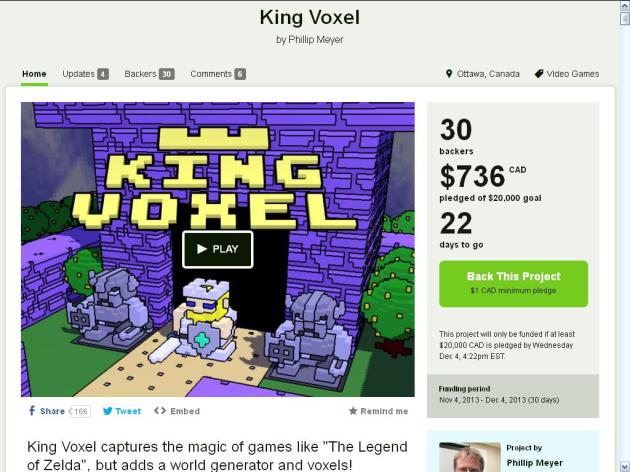
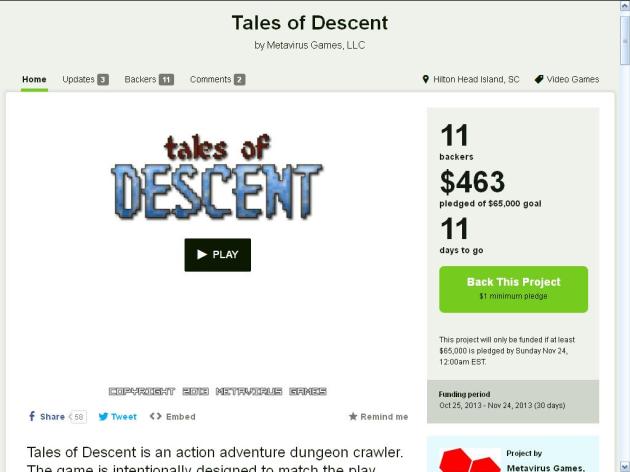


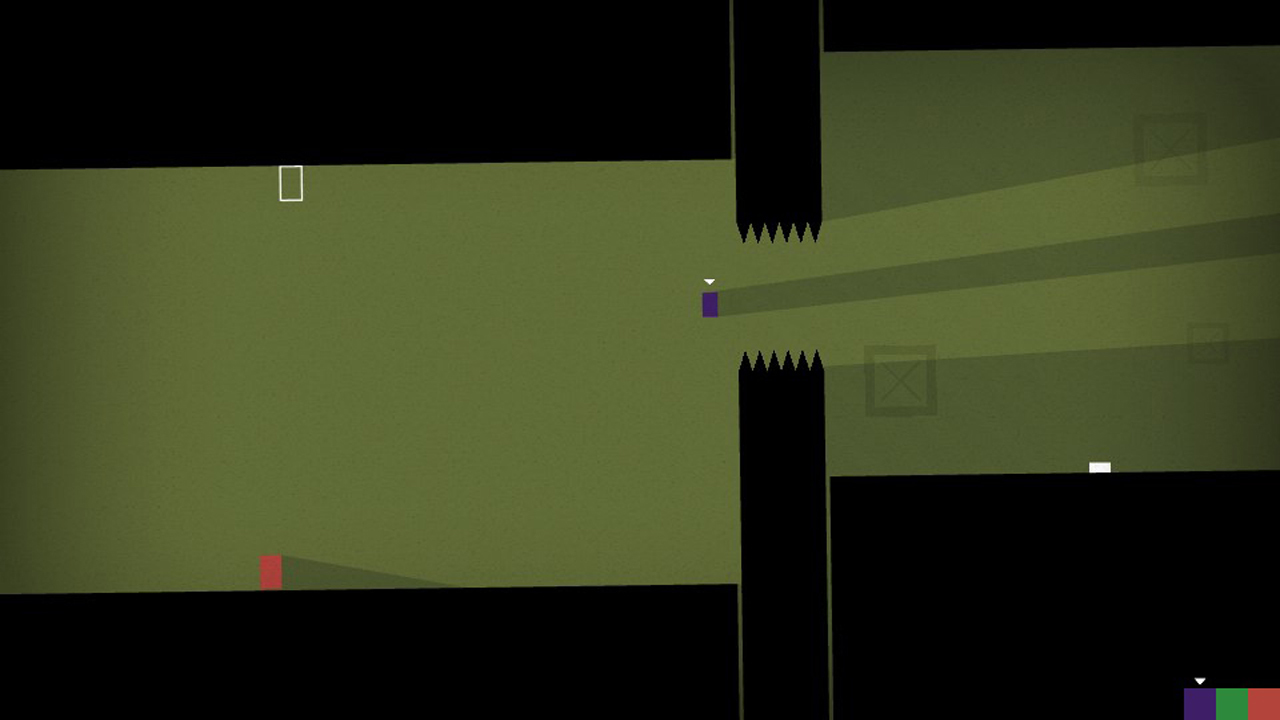
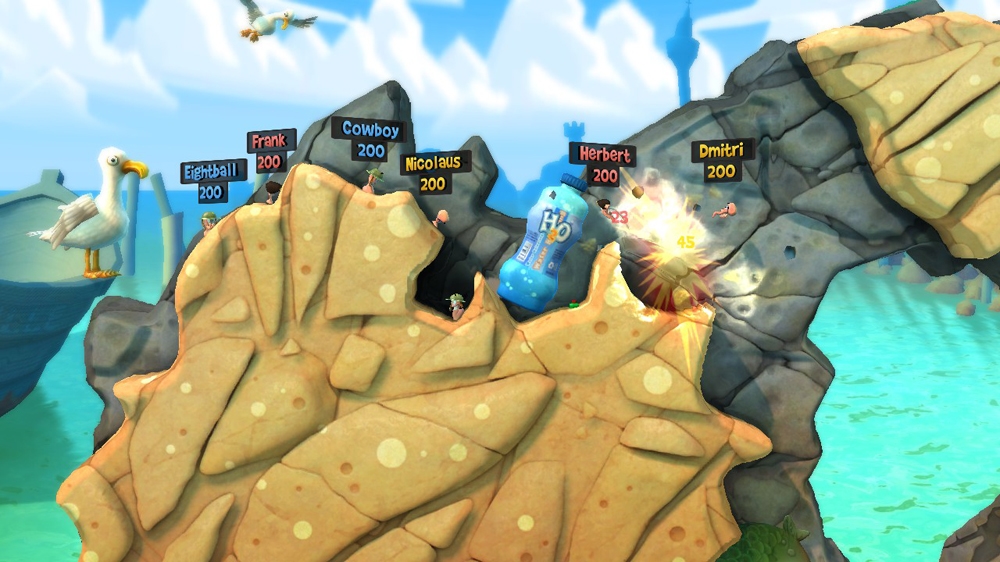

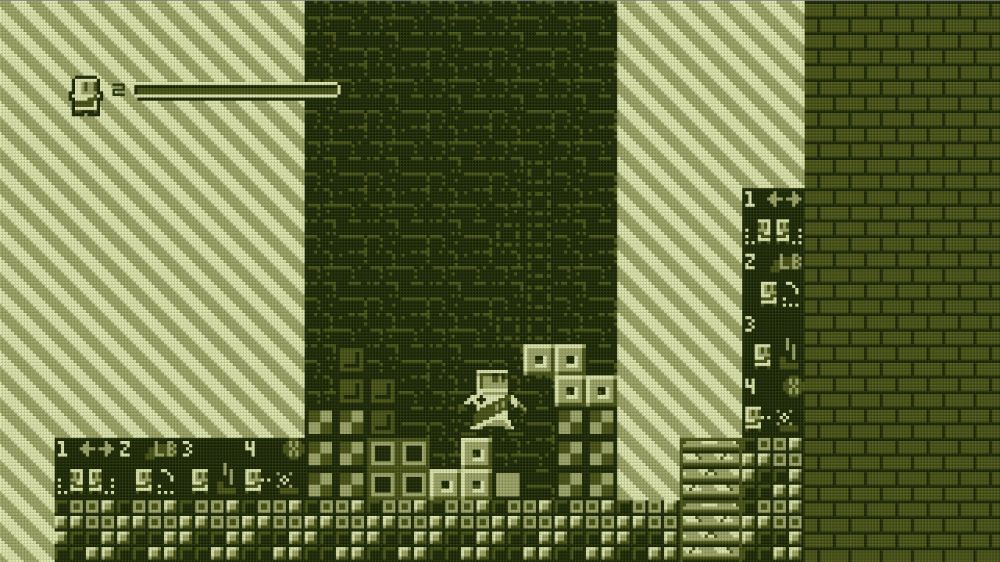
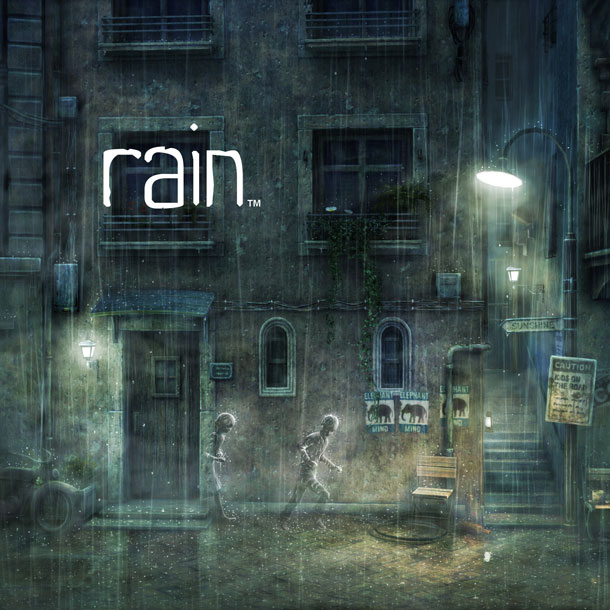


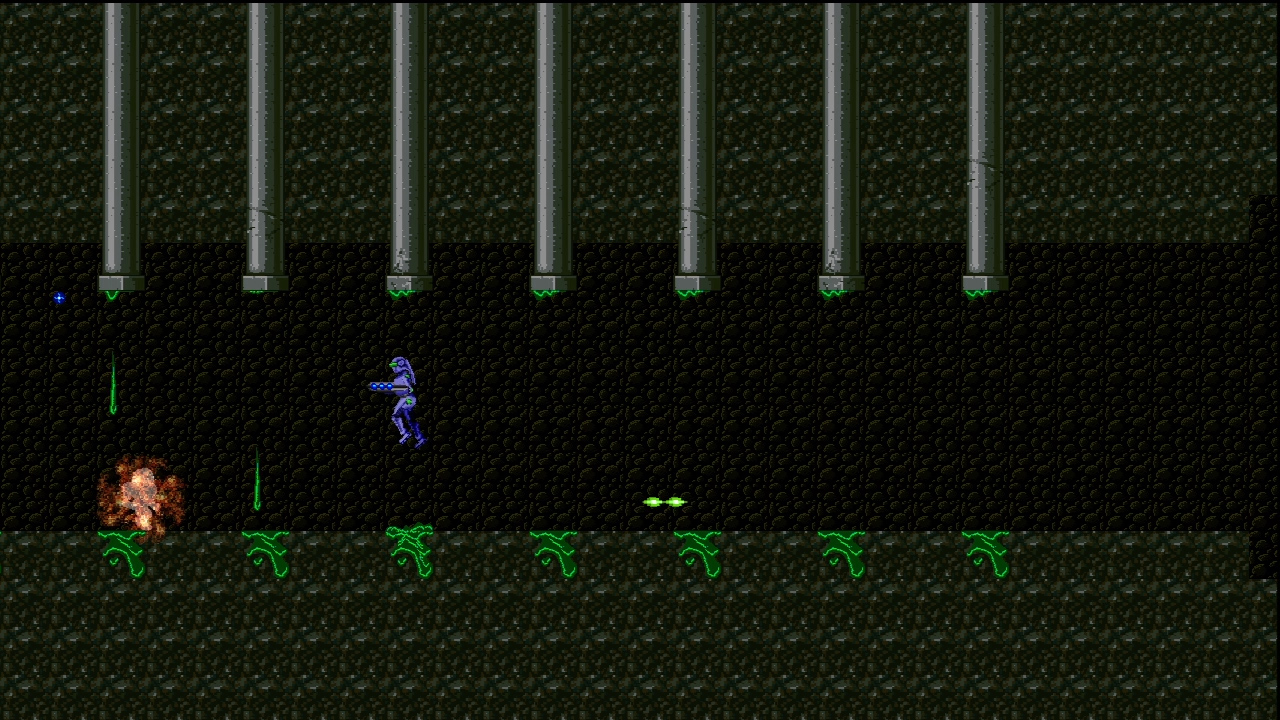

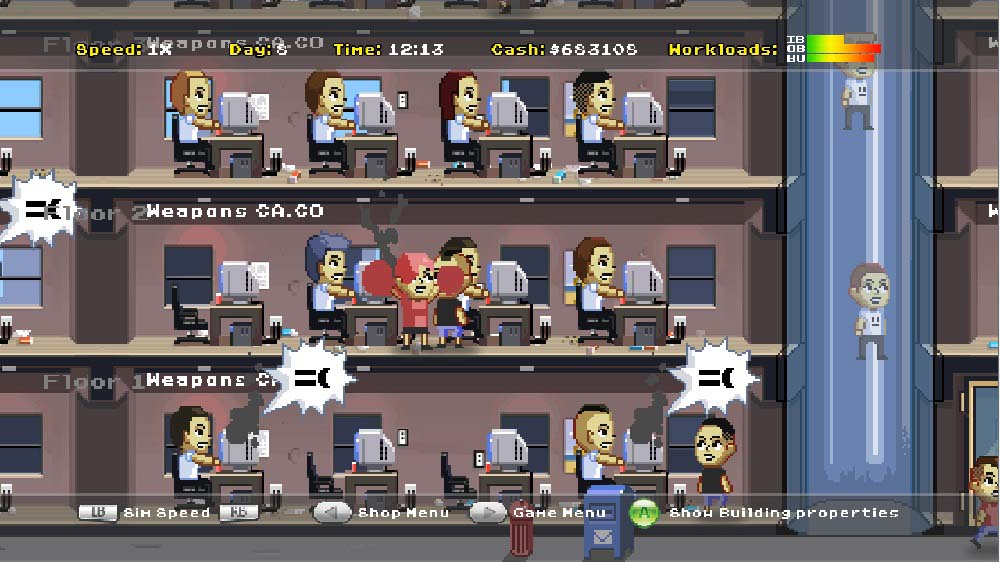

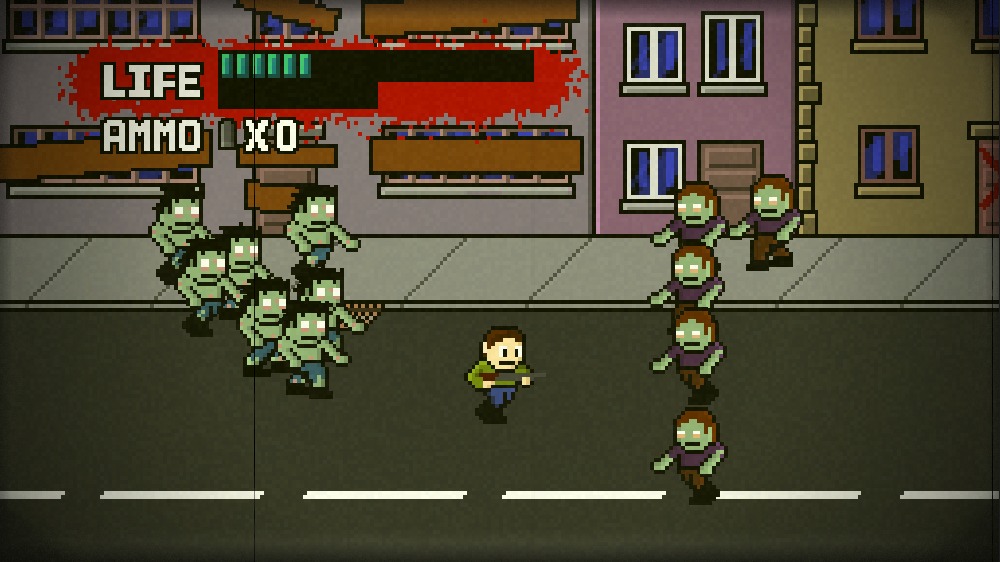

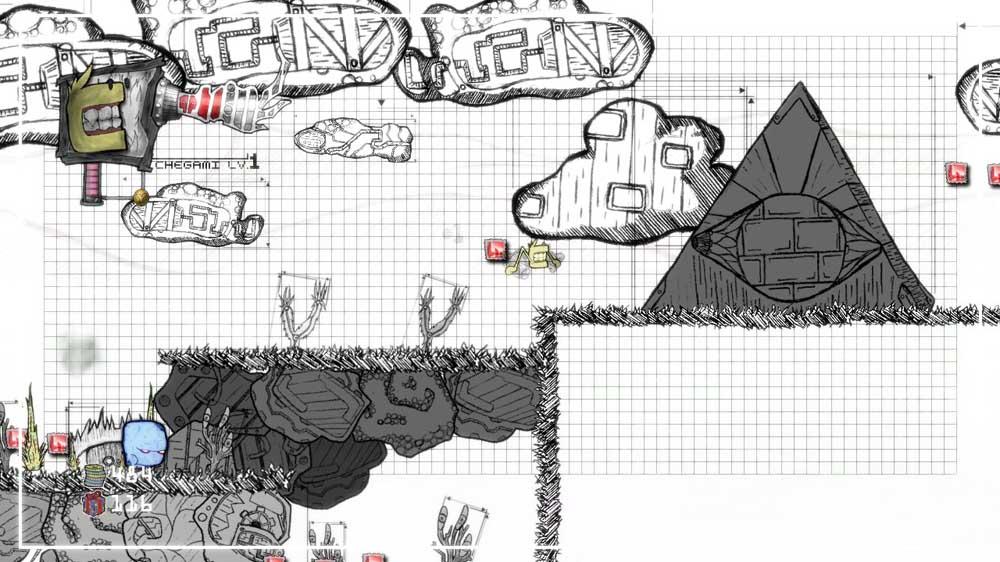



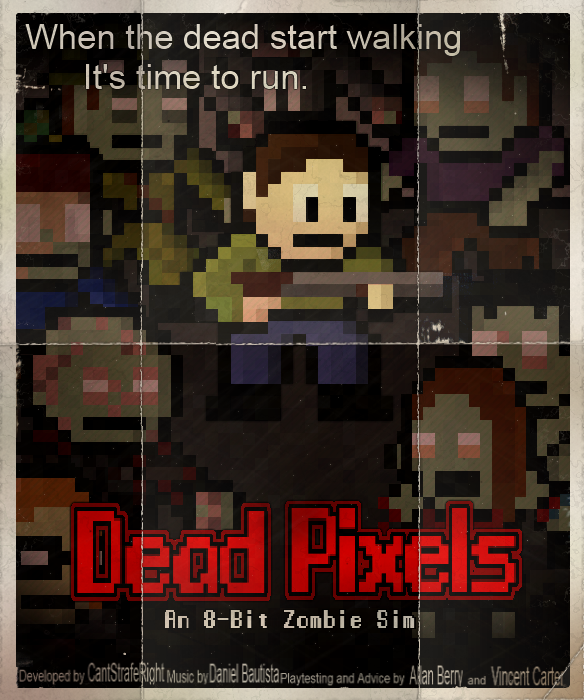


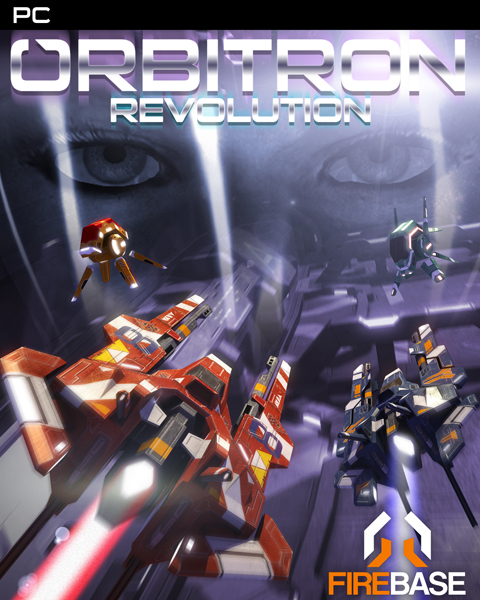


 Indie Gamer Chick
You must be logged in to post a comment.