Castlevania II: Simon’s Quest (NES Review) Includes Review of Quality of Life ROM Hack
October 27, 2025 7 Comments
 Castlevania II: Simon’s Quest
aka Dorakyura II: Noroi no Fūin
Platform: Nintendo Entertainment System, Famicom Disk System
Released August 28, 1987 (FDS) November 24, 1988 (NES)
Directed by Hitoshi Akamatsu
Developed by Konami
Included in Castlevania Anniversary Collection

If you’re saying “hey, wait a second, I don’t remember that map in the game” I would advise you to read past my verdict as I talk about quality of life ROM hacks, including the one I used for this review.
Disclaimer: I used a quality of life ROM hack for this review, but one that I feel didn’t fundamentally change the developer’s intent. There was no rebalancing of the experience system or the rate of hearts being dropped, no enemy rebalancing, no level design changes, and no changes to the items. The big changes were quicker day/night transitions, a better translated script, and more invincibility frames when you get hit. For the full review on the ROM hack I used, “Castlevania II English Re-translation (+Map)” by bisqwit, keep reading past my main verdict. NOTHING in the ROM hack I used changes how I feel about this game, so this is my definitive review of Castlevania II: Simon’s Quest, a game I’ve been putting off reviewing for two years.

Castlevania II has some of the worst Metroidvania-style maps in gaming history. Just totally nonsensical design that neither lends itself particularly well to exploration or action. There’s moments like this, where the path branches out into two paths that will eventually merge anyway, and the commonplace enemies just shamble back and forth instead of having enemies tailored to this area of the game.
Put yourself in the shoes of director Hitoshi Akamatsu and the team behind Simon’s Quest. When the original Castlevania was nearing completion, they must have had some idea that they just created an absolute masterpiece and legitimate contender for the best game on the Famicom/NES up to that point. Not only that, but in Castlevania, they had a game with obvious global appeal and sequel potential up the wazoo. A game that lends itself specifically to sequels from a development point of view, since Castlevania is a LOT simpler than most people realize on face value. It nailed the theme, combat, item design, enemy design, and enemy placement (a seriously underrated factor towards any game’s masterpiece status), but it also features level design that’s actually fairly conservative. Hell, there’s a stage that doesn’t even have a single pit to jump over. The boldest it gets is in the final stage, which is by far the shortest. So they left a LOT of room to grow while staying within a traditional linear format.

Later, you get Dracula’s ring. I wasn’t sure if I was trying to slay him or marry him.
While I admire this sequel’s ambition, it feels like it tries to be too big for its own britches. Simon’s Quest is a very early, very primitive example of a Metroidvania. The irony is, it would be the franchise’s next attempt at this formula that would cement the “Vania” part of the genre’s name with Symphony of the Night. That tells you everything you need to know about how successful Simon’s Quest was despite the fact that it predates Symphony of the Night by just under a full decade. I’m sure they made this game with the best of intentions, but it’s actually remarkable how the direct sequel to Castlevania, a game that got pretty much everything right, manages to get nothing right from a gameplay perspective. It strips out everything that made the first game fun EXCEPT the theme and the most basic combat. It’s fascinating for sure, and it’s also got fans out there which (shrug) I mean, everything has fans. Joe Dirt had enough fans that Crackle did a f*cking sequel to it. What I don’t get is how someone who loved the first game can feel any connection between the two games that isn’t purely superficial.
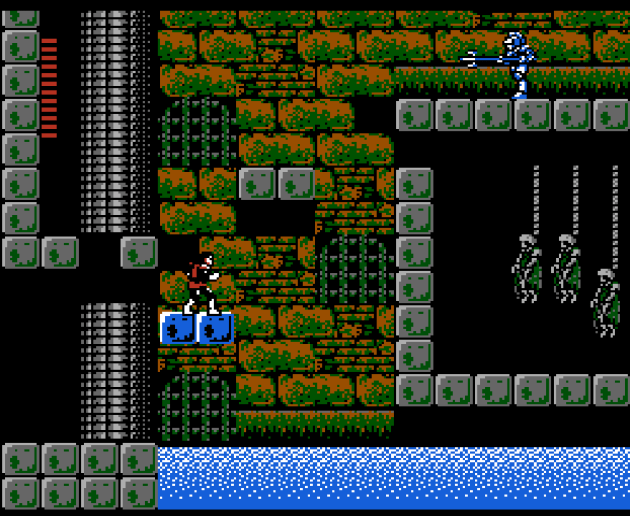
This is the type of confusing thing that doesn’t bother me. When this came out, especially in the United States, the poor translation made some of the items confusing on how they worked. That sucks and I feel sorry for gamers back then, but it’s not 1988 anymore. There’s strategy guides, like the one I used that’s so useful I got the best ending on my first attempt, though I admit I used rewind to undo false floor GOTCHA traps. But hell, even emulator-based cheating shows that players have plenty of options for solutions if they get stuck or jerked around by the game design. The question I’m asking with this review is “how good is Simon’s Quest when you strip away all the bullsh*t and get down to the nitty gritty gameplay?”
And I’m not even talking about the infamous mistranslated script with its obscure hints, or the agonizingly slow transition from day to night that interrupts gameplay. I just played a version of Simon’s Quest without those things. Once upon a time, they might have been a problem, but after playing through this twice for this feature without those factors, I’ve come to the conclusion they were never *THE* problem. And the Metroidvania formula obviously isn’t a bad idea since the franchise would get its second wind via that genre in the 90s and 2000s. The problem is there’s a total lack of polish to Castlevania II that’s likely the result of a very short development cycle. This was released less than a year after the first game, which is insane given the scope and ambition they had for Simon’s Quest. Instead of just making your way from Point A to Point B, you now have to do things like kneel at a lake while possessing a specific color crystal ball, which will cause the screen to lower and reveal a hidden pathway. Re-read that last sentence. Doesn’t that sound like a game that took at least a year-and-a-half to develop, and not a matter of months?
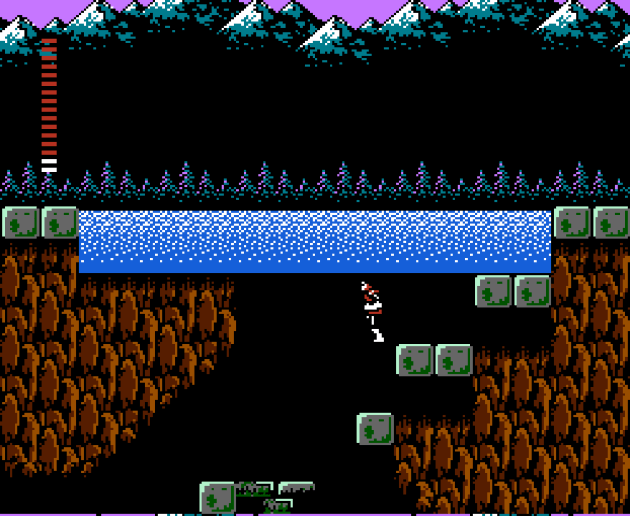
I won’t claim there’s NO satisfaction in seeing this happen. It’s a cool reveal! I just wish they’d taken their time with the entire quest. You can’t do a 100 meter dash with a game this ambitious!
The rush job explains the total lack of polish and lack of fine-tuned enemy attack patterns and placement. The result is Simon’s Quest is a game with no tempo or flow to it. This can also largely be blamed on the Metroidvania format, which they clearly didn’t know how to build around. For example, the leveling-up system is based not on killing enemies but picking up the hearts they drop. The problem is enemies don’t always drop hearts. While I have no objection to using RNG for currency or item drops, I don’t like the idea of experience points being all-or-nothing RNG random chance. It’s bad game design to leave luck up to heaven. It really doesn’t help that the variety of enemies doesn’t work in a Metroidvania. With one or two small exceptions, none of the enemies feel particularly optimized for the environments they’re placed in. The enemies feel completely arbitrary and often don’t feel like there was much consideration for logic in their design, locations, or attack patterns. Too many just kind of shamble back and forth. The only time I ever felt a sense of danger in the entire game were a few moving block jumps.
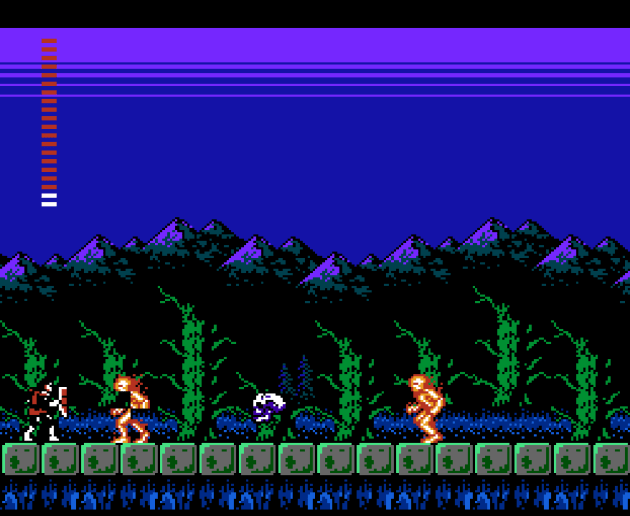
Near the end of the game, I was still only up to level three even though I slayed every enemy that I crossed paths with. This meant enemies were especially spongy. As a result, I found myself grinding on these guys, who had high full-heart payouts, to get my level up, and in doing so, I almost cost myself the perfect ending. I beat Dracula as a level 5 (max is 6) on the seventh day/night cycle, which is the very last one that scores you a perfect ending. By the way, that shield I’m holding is actually Dracula’s rib. Of all the bones in the human body, that would not be my first choice for a shield, but I never found Dracula’s hip. Sasha the Kid: “maybe they meant it’s his RIB CAGE and they screwed that up too.” Okay, I can buy that.
What’s strange is that the XP system actually does have a thoughtfulness that’s designed to eliminate the potential for screw grinding. Once you beat enemies in a certain section, they won’t fill up your XP anymore regardless of whether they drop hearts. You have to be near where the next mansion is at, or maybe even inside the next mansion. Also, enemies you’ve already fought become stronger as the game goes along. These are positive ideas, but the cast of enemies just aren’t as fun to battle in these environments. Maybe if they had cut and pasted the entire Castlevania 1 combat system it could have worked, but they didn’t. The whip is back, and although it’s still kind of satisfying, it doesn’t feel quite as impactful as Castlevania 1 or Castlevania III’s whip cracks. Complementary sub-weapons like the axe or boomerang are gone completely, while the holy water loses its combat effectiveness and becomes actively annoying thanks to being so heavily incorporated into the exploration elements. Only the dagger really carried over from the first game, and that’s by far the item I enjoy using the least in Castlevania games. Go figure, right?
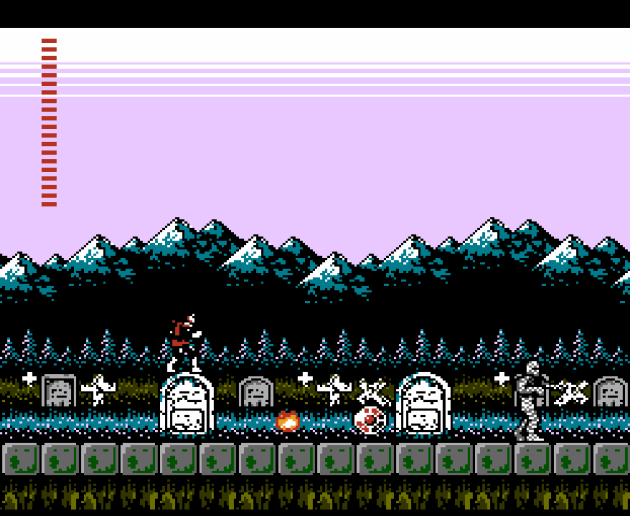
One of the new items, the diamond, is just really weak and lacking in the satisfaction of unleashing boomerangs or the axe. It just sort of bounces around. Meanwhile, the sacred fire is overpowered as f*ck. I beat the game with it.
But I think it’s really the level design that drops Simon’s Quest into gaming’s sewer. These are boring maps, and without the pitch perfect enemy placement of Castlevania 1, the sense of claustrophobia the first game had is completely missing. I didn’t really mind the confusing navigation or the backtracking so much. If you use the most optimized game route (I used StrategyWiki to guide my way) there’s really only one MAJOR instance of backtracking and a couple small ones. That’s not too bad for the Metroidvania genre at this stage of its existence. Okay, so I can’t imagine trying to figure any of this stuff out without a guide or a ROM that told me the name of the location I was at, but the days where gamers have to do this stuff blindly are a thing of the past. The problem is there’s only a small handful of sections where I sat up in my chair and said “now this kind of feels like the original game” like seen in the screenshot below.
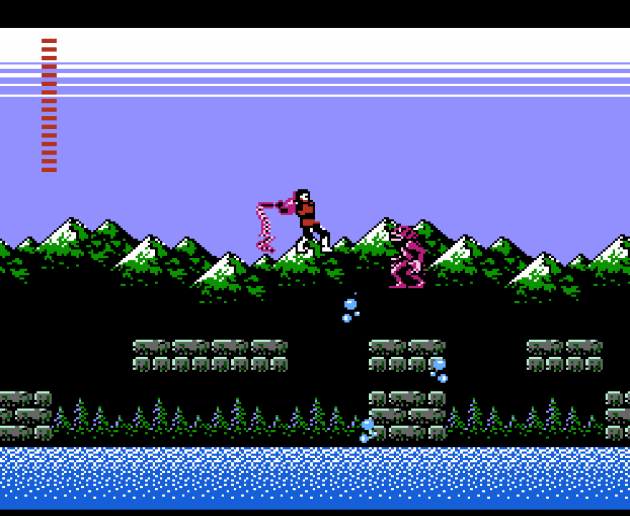
I won’t say Castlevania II NEVER feels like Castlevania I. Right here, there’s something about the timing of when these fishmen pop out that makes me feel like I’m finally, at long last, playing a sequel and not a spin-off. And yes, since I couldn’t find any other place to talk about it, shout-out to the historically awesome soundtrack. One of the best on the NES. But I don’t play games to listen to music. I play games to play games. Good music can only make a good game better, but it can’t make a bad game better. At least that’s how I feel.
The object of Simon’s Quest is to navigate your way to five mansions to locate body parts of Dracula. Or four body parts and his bling since the last thing you get is the “ring of Dracula” though as Sasha the Kid pointed at, maybe the ring is attached to his severed finger. This actually isn’t a bad idea (I mean the mansions, not Dracula’s finger being stuck in a ring, which is gross, Sasha) but the execution is beyond pathetic. I’m guessing they were aiming for Zelda or Kid Icarus-like dungeon mazes, but they all look basically the same with slightly different colors. There’s also only six total enemies that you’ll ever see in the mansions, not counting the two, yes, TWO bosses total that appear before you fight Dracula. The main two enemies you’ll encounter are skeleton knights and knight-knights, which are functionally the same in that they just sort of patrol back and forth. Two enemies, spiders and slime blobs, appear in the overworld. There’s also hopping devils that shoot projectiles and run of the mill Castlevania bats. That’s the entire roster of mansion enemies. I think that by itself assured the mansions would get old fast and Simon’s Quest would get a NO!
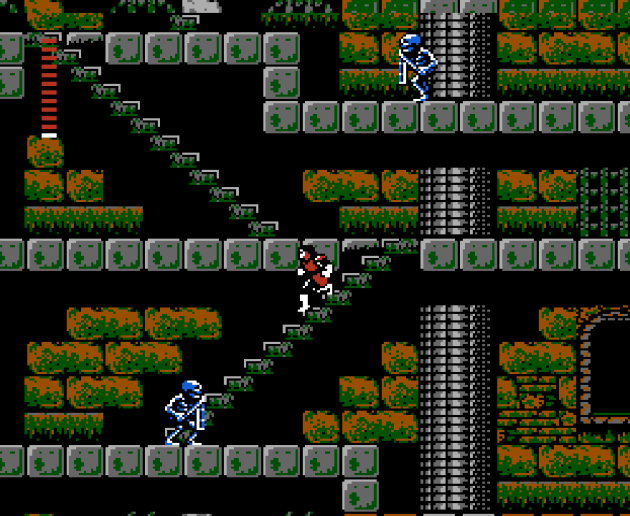
It’s safe to say the primary strategy used by the skeletons and knights in the mansions is to force players to walk into them on the stairs. That’s so unimaginative and boring, which is totally in contrast to, again, everything the first game did. Castlevania I *did* use this concept, but it had more going for it. Castlevania II just keeps leaning heavier and heavier into it. Mind you, Castlevania staples like mummies, ghosts, and the Medusa heads are in this game, but not in the mansions.
Because of the low variety of enemies and the lack of architecture to make one mansion stand apart from the other, they don’t feel like events. Hell, the mansions have absolutely no personality at all. I was F*CKING PUMPED every single time I reached the front gate of a new one. The entrances look like you’re doing something big and important.
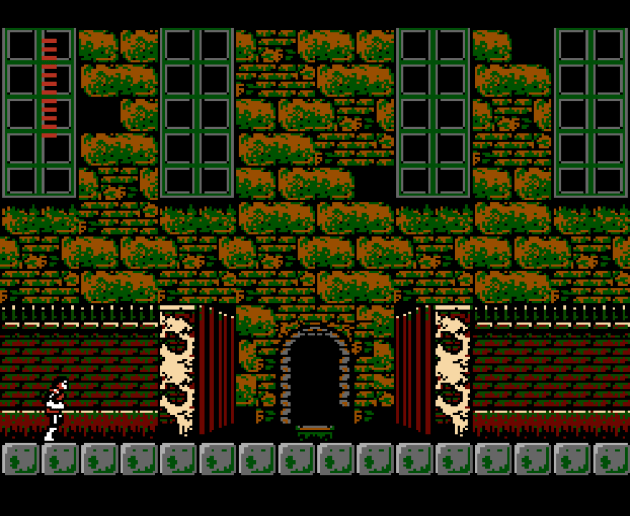
No notes. Okay, well, maybe a note. They needed a sign to tell you the name of the place, and maybe they could have done a little more to make the fences look unique.
But the contents inside let me down every single time. They’re complete f*cking slogs to work your way through. Beating a dungeon in Legend of Zelda feels like a big deal. Beating mansions in Simon’s Quest feels like busy work. You’ve got a sacred flame, Simon. Just burn the f*cking building down and grab the bag with the relic in it. It’s not like there’s anything else to do inside of them! Okay, so you have to find and purchase an oak stake to collect the relic, but even that is botched. Even though you can only carry one oak stake at a time, you can prepay for the next mansion’s stake after collecting the relic. The stakes should have been like the big keys in Zelda, IE unique to each mansion. Even if you pretend like that’s the case, the locations of where the stakes are purchased inside the mansions have no sense of discovery about them. They’re usually in arbitrary spots, with only one or two placed in a way that makes it feel like consideration was given towards incentivizing exploration.
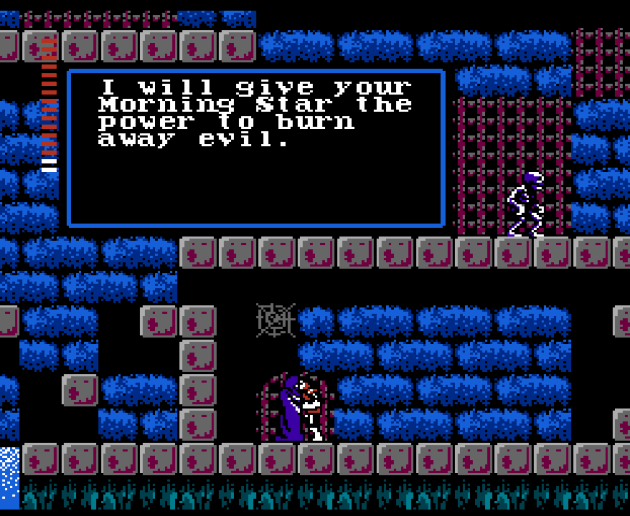
This is a great example of Castlevania II’s development team not understanding how to handle progress. The above screenshot shows me getting the flame whip, which is the best weapon in the game and the final upgrade of the whip. This should be a huge, huge moment that’s built towards. There should be a boss fight attached to it, or a quest to retrieve macguffins associated with it, or hell, at this point I would settle for making it the most expensive item in the game since there’s really not a whole ton of sh*t to buy. Something, anything to make the morning star feel like a big deal. There’s none of that! It’s a free upgrade that’s just in the middle of an arbitrary spot. The best thing I can say is the backdrop is unique, but so what? It’s nuts that the people who did such a great job pacing Castlevania 1, to the point that it feels like it was calculated by f*cking NASA, didn’t understand how to present or pace these moments. And don’t tell me it’s because they swapped genres, because big moments in games should have an intuitive lead-up to them. You don’t just spring them on players like this. You build suspense. It’s storytelling 101.
For the most part, mansions are built around sprawling, dull layouts that rely on placing enemies at the top of staircases in a way where you have to wait a long time for them to move out of the way, or false floors. Castlevania II has an obsession with false floors. The only way to really tell if a floor is fake or not is to throw holy water at the ground (you have an unlimited supply of it) and if it goes through the floor, you know to jump over that spot. This is unjustifiable. I swear to you that I hate going back to this point over and over, but the first Castlevania cut a tempo like few games ever did, and here’s the sequel telling players to heel-toe it while gingerly throwing water at the ground like the flower girl dropping pedals at a wedding. It’s unimaginable that they believed this was an effective way to build upon Castlevania’s foundation. And it’s not like the level layouts would be fun without this. In the second mansion, “Rover Mansion”, the level is basically divided into two sides, and the side you start on has NOTHING in it. Okay, so I need to use a map that I’m borrowing from StrategyWiki that was originally created by Procyon. I added the arrow and circle.
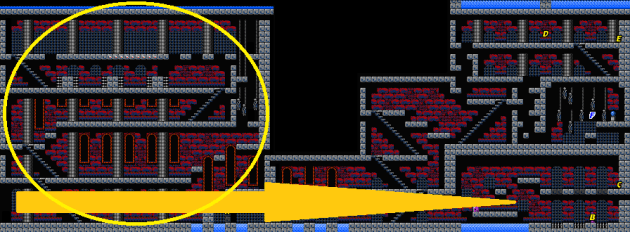
Rover Mansion. Not pictured is Fido Mansion and Spot Mansion.
You start Rover Mansion in the bottom left hand corner, where the base of the arrow is. Everything in the circle is a gigantic, winding dead end. The idea is supposed to be that players will eventually discover a false wall. Except, as far as I can tell, there’s no practical clue towards this. I went through every bit of dialog in the game and nothing points towards this. It has to be discovered completely organically by throwing holy water at every solid surface until the player sees one of the jars pass through it. I have NO objection to that, besides the fact that it sounds kind of boring on its face value. What I do object to is the entire circled area in the above map serving ZERO PURPOSE! It’s there only for the sake of a wild goose chase, and that’s just NEVER fun in video games. Granted, they might not have realized that in 1987 and it took games like Simon’s Quest to make that a hard rule, but again, this is the same dev team who, with Castlevania 1, optimized a conservative layout like few games ever have, AND THIS IS WHAT THEY CAME UP WITH? This is some of the least optimized map design in the history of the medium. It’s a bad use of real estate, and inexcusable given what they did with so little in Castlevania 1.
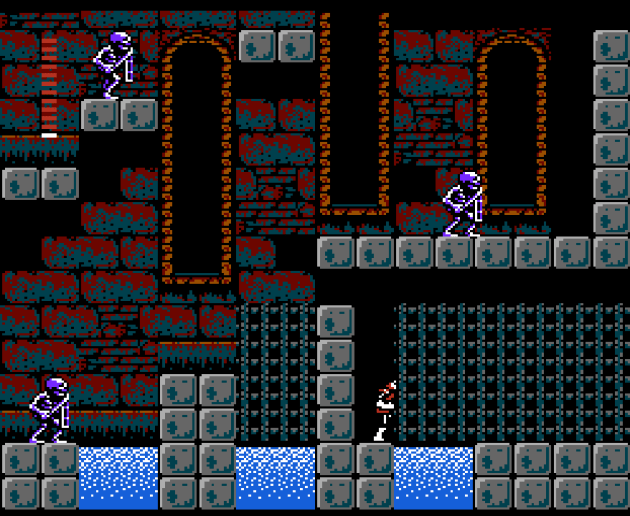
The wall behind me is the false wall in question that’s the key to solving this level. It won’t be the last usage of this gag, but this is by far the least optimized version of it, because it renders half of a level completely pointless.
You can’t even say that sending a player off in a dead end adds to the replay value because it eats up time and could cost players the best ending. Time stops ticking in the mansions. There’s plenty of things that COULD have been done with that area. Why not locate the seller of the oak stake up in there? Why not hide the sacred flame, located in an arbitrary spot on the overworld map, in the furthest dead-end of that area? Why not stick a clue to the false wall being a thing up in there? EVEN IF that would have been bungled in the translation, the dev team isn’t responsible for that. What they are responsible for is a nonsense map, but Castlevania II: Simon’s Quest is full of those. What’s becoming apparent is they fundamentally didn’t have a good game plan for creating this interconnected world or building an exploration-based experience. Simon’s Quest isn’t lacking for big events. Things like lowering the lake with the crystal, or summoning a whirlwind to teleport you to a previously inaccessible point of the graveyard absolutely work as big moments. It’s all the sh*t in between that fails as an action game and an adventure game.
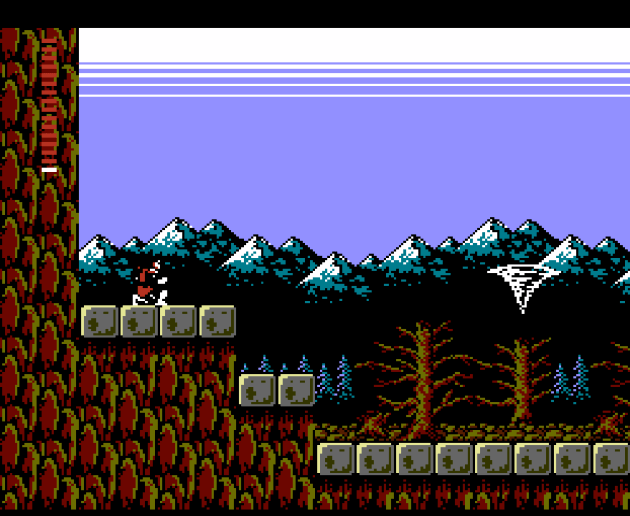
Okay, so kneeling for several seconds is not a great means of activation. With events like this, I prefer a single press of the button, which is intuitive, to any form of delayed activation, which isn’t. But the whirlwind does show that they understood, at least on some level, the importance of a big, sprawling adventure having great big “ta-dah!” moments. That’s why I can’t excuse any of the mistakes. They weren’t completely clueless. If they were, this wouldn’t even have been in the game.
And to really hammer home how unprepared and misguided Simon’s Quest is, look no further than the lack of bosses. The first Castlevania was defined by its boss encounters. Even the MSX game was. Simon’s Quest, before Dracula, has two bosses, which appear in the 3rd and 5th mansions. Yep, you have to wait until the game is nearly halfway done before you even encounter your first boss. Presumably they based that on Metroid only having two bosses before Mother Brain. Except, I think the designers of Castlevania 1 should have known better and understood the importance of boss fights and building up to them. TWO bosses? Are you f*cking kidding me? And they’re not even good bosses. One of them is the Grim Reaper, who is the FIRST BOSS IN THE GAME! You don’t even fight him, the actual first boss, until the third goddamned mansion, and he’s a total sponge. The second boss is a spooky mask that’s apparently supposed to be the Castlevania debut of Carmilla. That should be a big deal, except it doesn’t look or feel like Carmilla, or even the skull version of Carmilla that would really debut in Rondo of Blood.
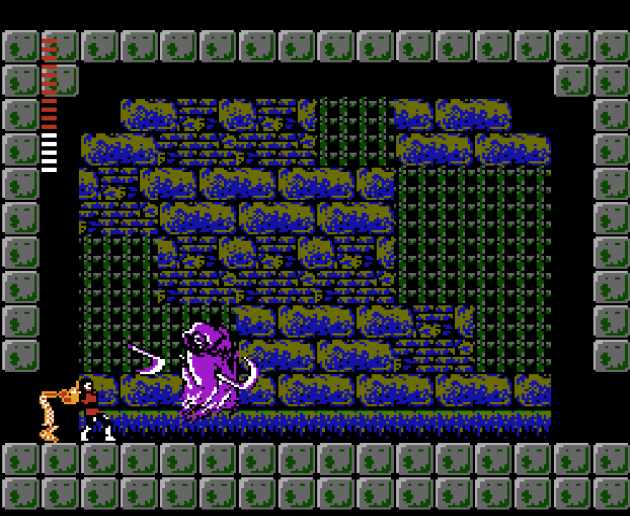
I don’t know if it’s THE worst Grim Reaper fight, but it’s up there for sure.
It floors me that they didn’t recognize the role boss fights played in the original game. And it gets even worse, because they’re not even really framed like bosses. They just appear in the room before the room with the Dracula relic. You can walk right past them since the door isn’t locked. Hell, the music doesn’t even change. There’s no showmanship to them at all. They even respawn after you collect the relic, like basic enemies do! It’s beyond belief that this is what they came up with. In this relatively massive game, THREE bosses, two of which aren’t even given music, and one of which (Reapy McReapface) is basically entirely optional? Because you can beat the game without killing the Grim Reaper. Carmilla has to be beaten because she holds a cross that gates off the entrance to Castlevania itself.
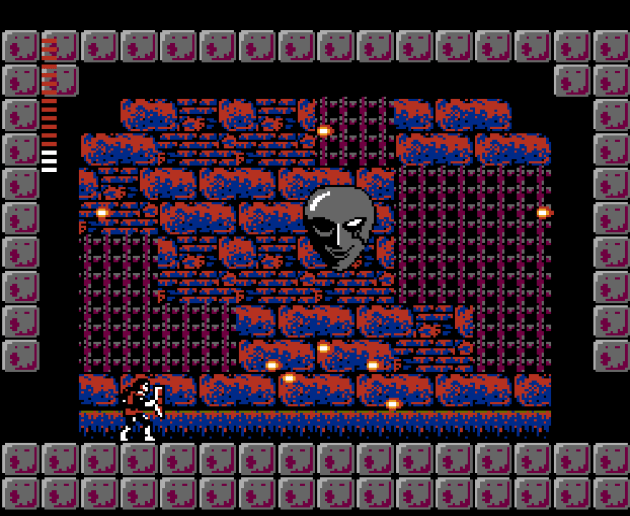
The sad part? This is probably THE highlight of the entire game.
Only the final boss is given the proper weight of a boss fight, but even Dracula himself isn’t very fun to battle. First off, he looks like the Grim Reaper instead of Dracula. Even the kids even said it when I said “hey, who wants to see me fight Dracula?” Second: he’s boring looking in general, but then again, a lot of the enemy sprites are. Third, he’s the easiest Dracula fight in the franchise’s history. I stun-locked him almost immediately with the magic flame sub-weapon and the game ended seconds later. I’ve been saying for a long time that bosses are the metronome of gaming. Simon’s Quest is the proof, because this is a game that feels like it never keeps a beat. In terms of raw gameplay, it’s not close to the worst NES game, but I still would like to nominate it for consideration anyway. They laid the perfect foundation for a sequel and squandered it. Unlike other bad games, they had every reason to do better and no excuses for how bad this is. And it’s HORRIBLE!
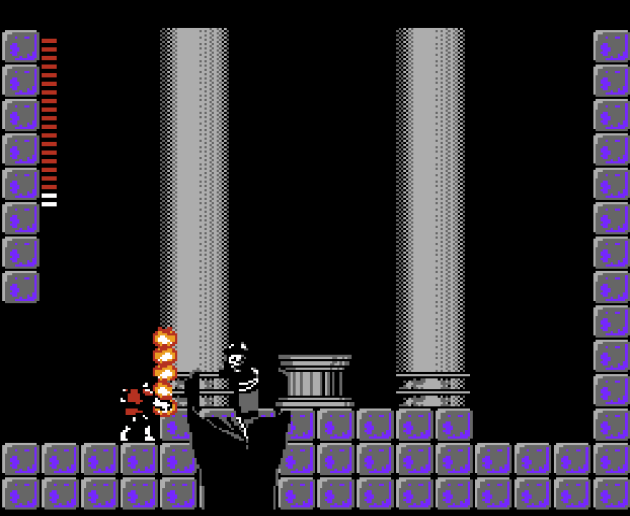
“You now possess Dracula’s maidenhead.”
Castlevania II misses the point of the first game so badly that I have to figure this is in the same boat as Super Pac-Man. When you read interviews with Pac-Man creator Tōru Iwatani, it’s plainly obvious he didn’t even understand why Pac-Man was a big hit and chalked it up to “people like to eat” even though there were plenty of other games where you eat stuff. He fixated on “eating is the attraction” for the first two sequels, Super Pac-Man and Pac & Pal and they bombed badly because they featured boring mazes that were unoptimized for chasing and turning the tables (Ms. Pac-Man was made by someone else). It wasn’t until Pac-Mania years later that he seemed to finally realize eating dots was just a means to an end and it’s the chase and the pitch-perfect way of turning-the-tables that made Pac-Man blow up. I assume that’s what happened here as well. I’m guessing Konami and Akamatsu fundamentally didn’t understand what they’d accomplished with the original Castlevania. They probably chalked it up to the whip or the undead setting, but those were a means to an end. Castlevania was a masterpiece because it featured precisely fine-tuned, elegant action that was paced perfectly. All of that is gone here. Castlevania II has no polish and features maps and a game flow that doesn’t seem particularly well thought-out. It could have been salvaged, but they didn’t have time! They wanted to get this out ASAP. My theory is that Simon’s Quest is a victim of gold rush mentality.
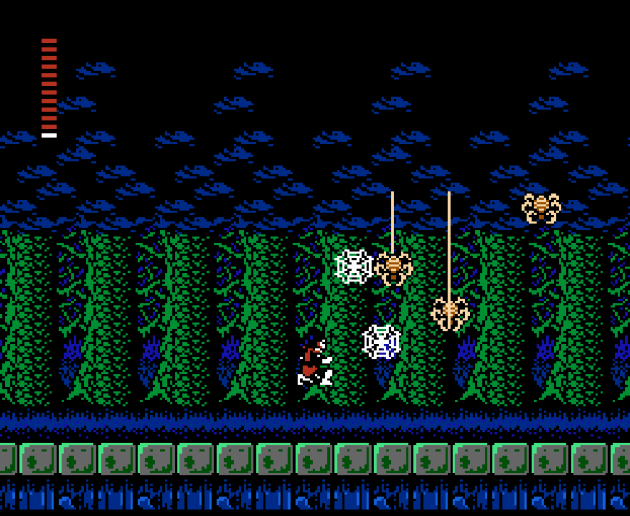
You’ll notice a LOT of flat ground in these screenshots. Now, Castlevania 1 is a game that I’ve probably played more than any other NES game and it has a lot more of these straight corridors than people realize, but it can get away with it by utilizing a linear format with PERFECTLY placed enemies, which is to say nothing of the haunted house setting doing a lot of the heavy lifting and the boss fights to serve as checkpoints. You can’t get away with that type of design in a Metroidvania, and especially one that didn’t care one iota about boss fights. The result is a mostly boring landscape to travel.
I get it, by the way and can even see where they’re coming from. You have to consider the circumstances. Konami probably wanted to quickly establish a flagship franchise on the smoking-hot Famicom/NES, which was a new type of cultural touchstone that gamers of 2025 can’t really appreciate. Like, we saw the launch of the Switch 2 this year, right? Now imagine if Switch 2 completely pulled video games from the brink of death to become the single hottest consumer electronics item in the two biggest global markets for consumer electronics and there was a gap of major “brand names” associated with software for the platform. Brand names in this case being franchises. Now finally, I want you to imagine if the Switch 2 launch was as successful as it was (apparently historically successful), only without any established franchises and every hit game being the first game ever in that series. It’s hard to imagine, right? But that’s basically the situation Konami found themselves in with Castlevania.
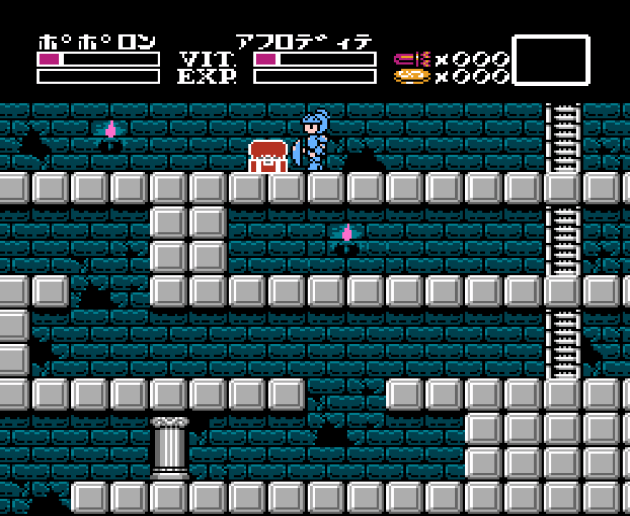
Simon’s Quest shares blood with The Maze of Galious, a Famicom exclusive they developed which I will review sometime soon at IGC. I have no clue if it’s good or not, but while finishing editing this review, it occurred to me that Konami did do an unsung Metroidvania that I enjoy very much: Goonies II, which ironically I also reviewed (sort of) using a quality of life ROM hack. A full, stand-alone Goonies II review is also coming to IGC because I really want to try to get it re-released. I think it’s fantastic and one of the NES’ most underrated games. It also released half-a-year before Castlevania II did, which shows there’s no excuses for how badly done Simon’s Quest is since Konami knew what a good non-linear platform adventure should look like.
And again, they *had* to know Castlevania was their best piece of software by a country mile up to that point and that it had “marquee franchise” written all over it. So I totally understand the sense of urgency they must have felt to quickly, unequivocally establish the franchise as a brand name that consumers would associate with the world’s hottest brand. Hell, they probably felt being #2 to Super Mario Bros. in terms of direct association with the Famicom/NES was on the table, because it probably was. I don’t think Castlevania was ever that. If you’re an older reader of mine who grew up and went to school in the 1980s and early 90s, I’d LOVE for you to leave a comment and let me know how big Castlevania was among you and your friends in terms of status. Because I think that’s what happened here, and their plan didn’t fail, whether I liked Simon’s Quest or not. It was released just weeks after Super Mario Bros. 2 and sold pretty well, and Castlevania is a famous gaming franchise in the 2020s even with children who haven’t seen brand new Castlevania games in their gaming lives. Simon’s Quest played a part in that. And I’m not naive. I know Dracula’s Curse, my favorite NES game, was as good as it was because they had to make up for Simon’s Quest. We don’t get Castlevania III as good as it is if they don’t completely, utterly, epically, stupendously f*ck up Castlevania II first. So if nothing else, thanks for that, Simon’s Quest!
Verdict: NO!
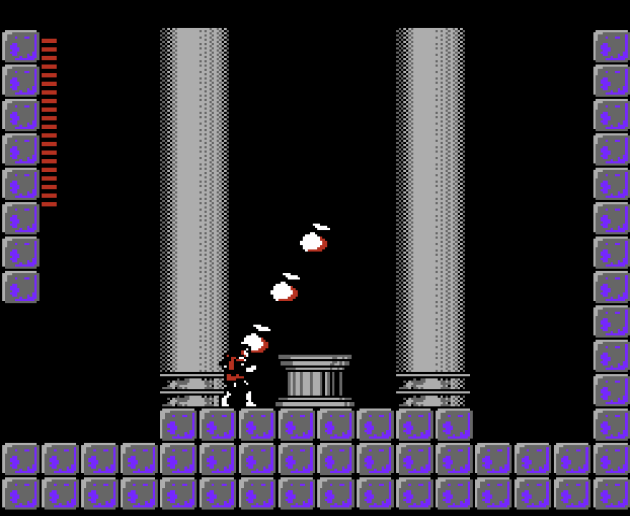
If it was *me* bringing Dracula back to life by assembling his dismembered body, including his heart, I think I would take a sh*t in Dracula’s heart before I started the re-assembly ritual. It’d be messy and gross, especially in the centuries before wet wipes were invented, but it’d be worth it. Then he comes back to life and is like “I, Dracula, prince of darkness, have returned! I vill now conquer zee world using my army of….. vhat are snickering at? Vhat’s so funny, Simon? Vhat, do I have a booger in my nose? And vhy is my chest so lumpy? Vait….. Oh no! Vhat have you done?! YOU SICK SON OF A VITCH!”
BONUS: QUALITY OF LIFE ROM HACK REVIEW
I already knew I hated Simon’s Quest going into this review. I’d tried playing it multiple times for an IGC review, and I just hate the f*cking game. But, it’s one of my most requested reviews, and it is Halloween and it’s tradition for me to do Castlevania games for Halloween. If I MUST do Castlevania II: Simon’s Quest, I wanted to be able to examine the game at its peak potential, which meant utilizing a ROM hack. The problem is, there were SO MANY quality of life ROM hacks for Simon’s Quest to choose. It has to be one of the biggest bad games that people have tried to fix, and the volume of ROM hacks is pretty overwhelming to sort through. I wish I had time to review them all because I know how hard the ROM hacking community works, so I’m going to encourage everyone to check out ROMHacking.Net’s Castlevania II page. I went through the list and selected “Castlevania II English Re-translation (+Map)” by bisqwit. I chose it because bisqwit’s translation is cited at places like StrategyWiki and the Castlevania Wiki, and because his version of the game seemed to include the most quality of life upgrades while staying truest to the original intent (IE not improving heart drops, rebalancing enemies).
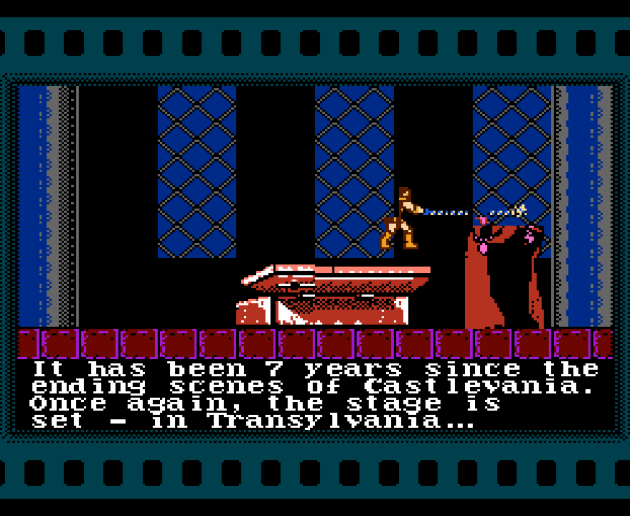
Bisqwit’s effort not only includes the map above and better translations of the text, but a fully done original prologue. Holy smokes! This goes so far above and beyond the call of duty that I kind of want to give bisqwit a hug, but hopefully being featured in one of my most requested reviews will suffice.
I intended for this to be my definitive Simon’s Quest review and the last time I ever play Simon’s Quest unless Konami puts out an official remake. So please keep in mind that the NO! verdict was not for Bisqwit’s ROM hack. He did a fantastic job improving a game that is, simply put, terrible and I’m bestowing an honorary YES! verdict to his work. If you’re a fan of Simon’s Quest, you’re weird, and also you really should check it out, along with other quality of life efforts for Castlevania II. By the way, I salute the entire ROM hacking community for their hard work. I seriously love and admire all of you and wish that more gaming media covered your work, but as long as I’m around, I intend to use my platform to spotlight your work. So, what made this version of Simon’s Quest different? The biggest change is the transition from day to night is instantaneous. Here’s what it (and the map) look like:
He also added more invincibility frames (what I normally call “blinking”) and the ability to jump off stairs but I didn’t even realize that and never used it until after I’d already beaten the game. Those are the only real efforts towards rebalancing I believe bisqwit did, and he also added a save system to replace the password system. Finally, the dialog is properly translated. Apparently some characters are meant to lie to Simon and provide red herrings that aren’t helpful to players, and I have no problem with bisqwit not changing that. He stayed true to the developer’s intent, whether that intent was stupid or not. The clue books you find in the mansions are much more clear, and you can go back and re-read them in the menu. Even the sign posts are better handled. Here’s some examples of the new dialog, which is based directly on the original Japanese text:


I’m grateful for his effort, because it confirmed to me that my problems with Simon’s Quest are related to nonsensical level design and terrible pacing that goes far beyond a slow transition from day to night. The version I played altered NONE of the level design, enemy difficulty, heart drop rates, experience system, etc. I’m confident that nothing I covered in the main review is going to be different whether you play the normal retail version of Castlevania II: Simon’s Quest or the version I played. So what’s here WAS my definitive review, and I’m glad to finally be done with it. This game sucks, but bisqwit’s effort does not. Thank you again bisqwit for your effort! YES! to your patch, even if the game itself is still a NO! And seriously, compilations need to do things like this. There is nothing inherently sacred about old versions of games and including OPTIONAL quality of life fixes is ALWAYS worth the effort, even if the game isn’t that much better for it.
You could have come up with a better name for it though, bisqwit 😛
Link to Patch
I use THIS TOOL to apply patches.

 Indie Gamer Chick

You must be logged in to post a comment.