The Rocky Horror Show Game Platforms: Nintendo Switch, PlayStation, Steam Released October 20, 2024 Developed by Freakzone Games $9.99 kept incorrectly adding the word “Picture” in the making of this review. It’s JUST “The Rocky Horror Show Video Game.”
The Nintendo Switch version was played for this review.
OH MY GOD! It’s…..It’s….. It’s the villain from Congo! Get ’em away from me! Yuck! I hated that f*cking movie!
In the interest of full disclosure, I’m friends with Freakzone Games, which is one guy: Sam. Now, I never factor friendships into the verdicts of my reviews, but I figure you should know that I like Sam as a person and as a game maker, in that order. That’s in contrast to the 1975 motion picture The Rocky Horror Picture Show, which I don’t like at all. It bores me, but it’s nothing personal. I just don’t like musicals. I usually don’t watch them unless they involve Disney animation or, more rarely, giant carnivorous plants and evil dentists. Now I’m from a family of cinephiles and the lone hold out in my family for Rocky Horror fandom, so it’s not like I’m unfamiliar with it. Rocky Horror Picture Show for me is in the same boat as other “cult” movies like The Room or Manos: Hands of Fate (ironically another flick that Freakzone adapted) in that I have tried so many times to sit all the way through it and have never come close to finishing the film in a single sitting. It’s not for me, which in theory means the game isn’t for me, right? Well, it’s not that simple. Even if you’re not a fan, I can explain why you’ll want to keep reading with a single screenshot. This one:
Actually, change that, because I meant “it’s actually a satire of games using a Rocky Horror foundation.” Don’t mistake this for Castlevania because it doesn’t play anything like any of those games. The gameplay is more like the Sega Master System/Game Gear classics starring Mickey Mouse that I genuinely think are some of the best 8-bit games ever. Specifically the 8-bit Castle of Illusion and Land of Illusion games (Legend of Illusion sucks) where you pick up crates that can be thrown at enemies or stacked for platforming. Take that gameplay concept and turn it into a death-count punisher and you have The Rocky Horror Show Video Game. The best thing I can say about Rocky Horror is that it confirmed to me that throwing crates at things is just about the most satisfying attack method a 2D platformer can have. It’s hard to screw up, and Sam didn’t. It controls great too. The two biggest things that he had to get right, action and play control, he nailed.
I died about, oh, one microsecond after this picture was taken.
The gameplay is little more than a skeleton for plenty of saucy humor and a satire on classic gaming at large. Yep, like his (fantastic) Angry Video Game Nerd games (has it really already been four years since I reviewed those?), Sam used Rocky Horror to poke those precious, precious memberberries with a stick. The Rocky Horror Show Video Game is overflowing with gags and direct homages on video games and game design. It apparently even kind of takes shots at the culture surrounding the Rocky Horror film. Sometimes it’s really subtle. I’m tone deaf so take this with a grain of salt, but I could swear I heard a tiny riff from the soundtrack of the Capcom NES classic Chip ‘n Dale: Rescue Rangers at one point.
There’s six of those disco balls in the game, which I think can become permanently out of reach if you die trying to get the crates to build a ladder to them. I got 3 out of 6 in my two sessions.
Now any satire like this is ultimately going to devolve into “hey, you know that thing you know about? I too know about that thing you know about and I made reference to it in my thing!” Sam isn’t THAT lazy about it and puts a small little twist on his references, but they are still just references at the end of the day. If you’re someone who laughs at those types of jokes without fail, you’ll probably like Rocky Horror even more than I did. That stuff doesn’t really land with me, but that’s kind of liberating because it allows me to focus on JUST the gameplay. For the Rocky Horror references, my sister Angela, a fan of Rocky Horror, was kind enough to watch me play and, while she had a valid criticism that I’ll get to later, she said that fans of the film will recognize lines, and the timing and delivery of the Rocky Horror-related humor was, more or less, on par with the film. Now whether fans of the film would want to play a punisher-platformer is another matter altogether. Angela was stunned by the genre. She thought the game would resemble something like Undertale, which would lend itself more to the film. “I don’t want to play a hard game where I’ll die a lot. I want a Rocky Horror video game experience. I won’t be able to finish this!”
I’m pretty sure there’s only three basic enemy types: the skeletons pictured here, brains that float at you, and ghosts that have what I assume is a famous scream from a sound library. It’s not a very big variety which is a bit of a bummer since the combat is satisfying.
As a raw video game, Rocky Horror is good but not great. It’s not at all gripping like the Angry Video Game Nerd 1 & 2 Deluxe was. The gameplay and level settings are too repetitive for that. Unlike AVGN, I really think the license here was too limiting for anything really imaginative. This is a standard point-A to point-B game with no items to find. There are health upgrades but they’re literally given to you at the start of stages or during one boss sequence. Only one boss is really played differently from the others, as it’s done like an avoider (this was the joke that landed best with Angela, though she missed the Donkey Kong joke that was attached to it). There’s no lives and no fail conditions. You can’t game over, so if you die, you restart from a nearby checkpoint, and the game is VERY generous with checkpoints. Rinse and repeat until you defeat Tim Curry three times and the credits roll.
After beating the game once, you unlock “new game plus” which pays homage to the midnight screening culture of Rocky Horror where people dress up and scream things at the screen. As far as gags go, I suppose this is a pretty fitting one. If you’re into that sort of thing. Angela suggested a “fill in your own dialog” option to be a true tribute to this culture.
My biggest knock easily is that the game gets off to a slow start. The structure of the film had to be obeyed, so the game starts with one character (representing two characters) hopping through some shockingly bland level design. That part had me very worried. The twist is that Rocky Horror has three playable characters, but while the gameplay is identical with all three, you’ll eventually replay some of the levels you already experienced, only with additional obstacles or enemies. For what it’s worth, that opening level that I thought was BORING actually becomes a very good stage when you factor-in all the stuff that will eventually be added to the replay later on with a different character. But this also means Freakzone Games sacrificed the first level to this concept. You can’t do that sh*t! The first level IS your first impression, and if it’s too bland, it could be the only impression you ever make. There’s nothing stopping a player from turning off the game and never turning it back on.
Sam, do you see me making games? No? Then DON’T DO MY JOB FOR ME! You stay in your lane, and I’ll stay in mine.
It’s also a really short game. Like, you should be able to finish your first play session in a couple hours at most, even if you die a lot, with a lot of that time eaten up by unskippable cut scenes. I died over 100 times and I still finished it in less time than it took to watch three episodes of Welcome to Derry, aka “why did we pass on Stranger Things?” Most of the level design comes down to stacking blocks to jump over walls or reach staircases or timing-based traps. Most of the obstacles aren’t enemies but rather spikes. Spiky balls that appear and disappear. Bigger spiky balls that fall from the ceiling when you get near them. The bosses are Mario 2/Castle of Illusion “throw the crates at the thing until you win” fights. Boilerplate stuff, but well-made boilerplate stuff. Seriously, if you want a perfectly decent platformer that costs $10 or less and will eat up three hours or less of your life (in theory I bet a person could beat this in an hour on their first try if they play well enough), this isn’t a bad choice for that just on its gameplay merits. The Rocky Horror theme or video game parodies that didn’t land with me could be the icing on the cake for you.
The other big “obstacle” is limiting the visibility to a spotlight that follows the player. I’ve never been a fan of this, but it’s fine here. It didn’t change my mind about this overused and overrated trope. It’s okay, or more accurately, tolerable in Rocky Horror.
Did I have fun? Yes, and since this wasn’t made for me, I guess that speaks volumes to how good Sam is at this, right? That’s assuming my original “not made for me” hypothesis is correct. But what would a Rocky Horror fan say about this? “I don’t get it,” said Angela. “Rocky Horror is defined by being a musical. Making a game that’s anything BUT a musical means it’s not really Rocky Horror, is it? It’s just something that looks like Rocky Horror.” But Angela isn’t a gamer and has no real vested interest in gaming history or culture. And NOW I get it. I was wrong about not being this game’s target audience. I either am or I’m a generation shy of that audience. What Sam did here isn’t made for Rocky Horror fans first and foremost. It’s a game for people like me who wonder “whose bright idea was it to make a Back to the Future NES game? That doesn’t work as an action game! It’s a f*cking fantasy romance! The structure is complete f*cking wrong for the type of game they made!”
And that’s really the thing about the Rocky Horror game. These sprites could have been for anything, for any movie license, and the same applies for the video game reference jokes that were made. The same jokes could have been made if this was a platformer based on It’s A Wonderful Life or Earth vs. The Flying Saucers. Why not? The sprites just happen to look like Rocky Horror sprites because that’s the license Sam was using. I did have fun. I really did. But the actual gameplay of The Rocky Horror Show Video Game is as generic as it gets. Sorry, Sam. I hope you know I love you. Seriously folks, Angela and me have been working on a superhero TV show concept for years now, and if it were to actually get made as a TV show and we were to ever license it for THIS type of platform game (even though it wouldn’t work as that but this is a hypothetical), Sam would not only be my first choice for developer, but he would be my only choice. If we offer him the license to make our superhero show as this type of platforming game and he says no, the game doesn’t happen. Ever. That’s how much stock I put in his ability.
The joke is that if they had made a Rocky Horror game in 1988 to 1991 at the peak of the NES, it’d be like this, only without the swearing and innuendos. As a quick aside, I hate it when games like this cuss. I know that sounds weird coming from me, but it breaks my immersion that I’m playing a lost game from that era. Either way, Rocky Horror doesn’t fit the platforming genre at all. THAT’S THE JOKE. The fact that a decent game is attached to that joke is just a bonus. Rocky Horror didn’t sell well, but I think it could be rescued because point-of-sale eShops are not the way to sell this thing. What Sam and his partners on this project need to do is find a publishing partner who will distribute physical copies of this in places like Spirit Halloween or Spencer’s Gifts. Spencer’s actually has a board game section with satires like Tipsy Land (a drinking game version of Candy Land). Why not video game satires? At least, that’s how you land casual fans. For everyone else? Yeah, it’s going to be problematic.
I didn’t want to spoil this but I think I have to. The opening dialog is framed like Legend of Zelda, right down to the music sounding just similar enough to fire-up your memberberries. It’s well done. I think people who see THIS would immediately get “oh, this isn’t a Rocky Horror game. It’s a game satire with a Rocky Horror theme.” But it doesn’t mean squat if you can’t even get the target audience to view a trailer or click the eShop page. Even media coverage won’t make a difference with non-fans because, AGAIN, the non-fan still has to click through and stay focused long enough to find out IT’S NOT JUST ROCKY HORROR GAME! I don’t know how you do that. A different logo maybe? Maybe it can’t be done.
So like, how do you get the word out on games like this? How do you get someone who would like this type of parody but not a Rocky Horror game to click the game’s page on an eShop? How do you get someone who isn’t a Rocky Horror fan to click a trailer? Because, gang, those are the questions that need answers if we want this to be a viable genre, and I think we do, right? More importantly, if you want rights holders to famous non-gaming IPs to give small developers like Sam these big licenses to work with, SOMEONE has to figure out the answer to that, because I really want more indie devs to land these famous licenses. I want stuff like this to keep coming out. But if I hadn’t been friends with Sam, I’d never even given this game a second thought. A license by itself is only going to appeal to the fans of the license. That’s why you get the f*cking license in the first place, right? But, depending on the license, it can be just as much a barrier to your target audience as it is an attraction. With all due respect Sam, it’s not up to me or anyone in gaming media to get the word out that Rocky Horror isn’t ROCKY HORROR in capital letters. You have to do that……… somehow. How? I dunno. Hey, you’re the one who wanted this license. You figure it out.
I hope what I wrote about the game doesn’t make it sound bland or anything. When Rocky Horror finds its teeth, it’s a damn solid platformer. It’s not amazing, but it’s not average, either. Especially the home stretch with the wheelchair guy. FYI, it controls exactly the same. There’s no skidding or anything like that. It’s just a different sprite, but the challenge is pretty high once he shows up, and I enjoyed it very much. Sometimes I just want a simple, stupid, no frills platformer that controls perfectly, you know?
Every single maker of games who nabs a famous but audience-specific license, from AAAs to small indie studios, is going to face the same “getting the word out that our game is actually FOR EVERYONE” problem. The recent Garbage Pail Kids game certainly struggled with that. I have no idea how well GPK sold, but I don’t think it did great, even though it’s a very good video game. I LOVED IT, and I’m not a fan at all of Garbage Pail Kids as a franchise. For the studio and publishers behind Garbage Pail Kids, that sounds like a dream scenario, doesn’t it? Even a non-fan loved it! But the truth is, if I had not been a game critic, I would have never played Garbage Pail Kids. Judging by how the review has done, I don’t think many non-GPK fans have read it, either. I only started playing it because I thought I could get interesting content out of it. I had no clue how much I would like it. Maybe they’re proud I liked it and gave it a glowing review, but 99.99% of your audience isn’t making content. They just want a fun game for their money, and maybe your license isn’t the blessing you thought it was. How do you get someone who thinks Garbage Pail Kids are stupid but loves NES platformers to play a really well made NES platformer with a GPK license? Good question, and I don’t have the answer.
Same with Rocky Horror. If Sam and I hadn’t been friends for over a decade (he even put an IGC easter egg in his Spectacular Sparky game), I wouldn’t have played it. I had fun with these games, so presumably gamers like me, and I consider myself the average gamer, would enjoy them too regardless of their love or hate of the IP. I feel horrible that this didn’t find its audience, because I know that the potential pool of satisfied customers is massive. A solidly designed platform game? Excellent play control? Fantastic chiptune soundtrack (UPDATE: Angela could easily recognize several chiptune renditions of film’s songs, which this review originally mentioned but I accidentally cut that line. My bad!). Decent enough combat (wish there had been a bigger variety of it). Good challenge? Doesn’t wear out its welcome? Yeah, this is a good, solid game. I don’t even mind the length since the amount of obstacles and enemies is so limited. If he wasn’t going to add more, I’m happy he didn’t just keep recycling for the sake of padding the playtime. The worst thing I could say about Rocky Horror is that it’s a bit of a slow riser, which hurts a little since it’s such a short game, but that’s not a deal breaker. I liked this regardless of the license, but that might not be the win for Sam that it sounds like on paper. The license doesn’t target everyone, does it? It targets Rocky Horror fans. A movie famous for taking a long time to find its audience and not doing well upon release. I’m guessing Sam wasn’t aiming for THIS direct of a tribute. Verdict: YES!
Mighty Morphin Power Rangers: Rita’s Rewind Platforms: Everything. I think even refrigerators have it. Released December 10, 2024 Developed by Digital Eclipse $34.99 has a headache in the making of this review.
The Nintendo Switch version was played for this review.
That’s not Zordon. That’s the sit-up champion of the 27th century. Hold on, this DOES have time travel! Holy sh*t, is this a Bill & Ted game? HOLD ON, Bill and Ted are teenagers with attitude too! Dude. Someone make this crossover happen.
Last year, I reviewed all twelve Mighty Morphin Power Rangers games of the 1990s. Of those twelve games, two out of twelve scored YES! votes and ten scored NO!s. And hell, one of those YES! votes was for Jetman, a Super Sentai with no ties to the “Mighty Morphin” era that I only included because “why not?” So the bar to clear for “best Mighty Morphin Power Rangers game” is set so low that I’m pretty sure the Tyrannosaurus Zord breaks through the bar when Jason summons it. There’s NO WAY Digital Eclipse could screw this up. They’re Digital Eclipse! They ran the table for original games in Atari 50! They did Alice in Wonderland for the Game Boy Color, a difficult movie to translate to video game form, and they nailed it! They seem to know what they’re doing! Sigh. After playing Rita’s Rewind, I’ve come to the conclusion Power Rangers is a cursed video game franchise. There’s no other explanation. I would have bet all the money in my pocket against all the money in yours that Digital Eclipse would have knocked this f*cker out of the park and created the hands-down best Power Rangers game of all-time beyond any dispute. They didn’t, and I’m still going with the Game Gear release for that title. What happened?
Oh right, that happened. And a lot of other “that happened” happenings happened.
When it sticks to the brawler parts of the game, Rita’s Rewind is mostly okay. Mostly. The combat, borrowing liberally from the classic arcade Teenage Mutant Ninja Turtle games, has a nice high-impact OOMPHfulness to it that feels weighty and violent. The puddies make for good Foot Clan stand-ins and come in a wide variety, including three-headed giant-sized ones. They could have done the whole game like this with a single Megazord sequence and I think the reception would have been much more enthusiastic. By that, I think people would have universally said “meh, it’s fine” and yeah, it probably would have been the best Rangers game. Don’t get me wrong: Rewind’s brawling segments are nowhere near as good as Shredder’s Revenge. Don’t expect that. Not even close. The level design isn’t as strong, the combat is a step below, and some of the level settings are pretty damn dull. The best stage is easily one set in a carnival. As for the rest? Well, um…….. Oh boy, that carnival level was nice!
The big hook, the “time disruptors” are bombs you have to ping to death before they blow up. When they do, the action is rewound and you have to do everything in that screen again, only the damage you caused to the jar remains. The good news is, if you used a bomb before the explosion, you get the bomb back. Either way, the kids hated this part. Even Sasha the Kid says if she could cut one thing, this would be it, even more than the instakills or the length of the zord levels.
And there’s some really irritating decisions that were totally unnecessary, like losing every drop of your bomb charge if you fall off a pit. That’s too damn stiff a penalty for such a mundane thing. If your meter is charged all the way and you fall into a pit, you lose the bomb. F*ck that sh*t! Just take a tick off health! That’s tradition! Sucking possibly a whole bomb bar dry is borderline player abuse. Digital Eclipse made a big mistake there, because, get this, BOMBS IN BRAWLING GAMES AREN’T JUST BOMBS! They’re monotony breakers. When the same old fisticuffs start to wear thin, the meter is charged and you can unleash a satisfying, screen-clearing mega shot, and suddenly the punching and jump kicks aren’t as dull as they felt a second ago. Taking THAT away from your players as a penalty for such a run of the mill screw-up as falling into a pit is absurd, especially when a health slap makes sense on every possible level. Why would falling into a hole take away power from the f*cking Power Rangers?
And the bombs are SO cool too.
Having a variety of rangers doesn’t help thanks to an especially annoying level-up system. Their heart was in the right place, but if someone doesn’t finish a stage, they earn no XP and thus no upgrades. The system also discourages switching characters between levels because the stats are linked to the characters and not the players, which in essence blocks players from freshening up the experience. I know Sasha and I wanted to change rangers BUT we didn’t want to reset our stats, locking us into the Pink and Red Rangers for the full length of the quest. So an element that in theory should keep the game fresh and engaging instead does the complete opposite. Again, great in theory, but not so great when you factor in the ramifications of it.
There are a few cute touches, like if you smack a swing hard enough, it’ll go around the top bar. Cool.
But the brawling is still the main attraction, warts and all, and sometimes it does rise above average. There’s plenty of health refills and just enough moves to change things up. Decent boss battles with plenty of platforming-like timing attacks. The final boss, Robo Rita, incorporates the classic “knock the enemy’s energy blast back at them” trope, which I’ve never seen done in a brawler before but it worked wonderfully. In general, the brawling is never bad, but it never wowed me, either (outside of the Robo Rita fight. A very well done final boss). On the other hand, there’s tons of hidden stuff to find. Stuff that’s more well hidden than in Shredder’s Revenge. In that game, only once did we have to replay a stage to find something we missed. In this game, we never found everything, so they must have actually put effort into it. If you have a better time than I did, that should add to the replay value.
I really did enjoy most aspects of the brawling bosses, which often lean heavily into forcing players into timing-based jumping sequences to avoid their hits. Like here, Turkey Jerk spins around with this laser and it’s like the Sweeper event from Wipeout. I do think some of the attack sequences went too long or had too many invincibility frames but, meh, the brawling bosses are fine. They just never “do it” for me the same way TMNT does.
If they had just left it at the brawling, I could end the review here and call Rita’s Rewind a YES! and maybe, possibly, the best Power Rangers game ever. But the game does a lot more than brawling. There’s multiple other gameplay styles in Rita’s Rewind, and not as mini-games. Oh no. We’re talking either full levels or extended sequences within levels. The best of them is probably a section on a roller coaster fashioned like a shooting gallery. You move crosshairs to blast puddies out of the sky and ultimately fight a version of Eyeguy on the ride. Even though it lasts longer than I expected, it’s fun. The one kid who stuck with me for the full length of the game, Sasha the Kid, also enjoyed it the most of any of the non-brawling stuff. It controls great and there’s no sponge to the enemies. The roller coaster setting worked. This was arguably the highlight of the game.
Everything else is kind of a (day of the) dumpster fire. The Zords sequences had me so pumped the first time they started-up, a feeling that intensified when I felt how good they controlled. It’s basically Star Fox 64, only with Power Ranger zords. The excitement didn’t last very far into the first stage, though. These three levels are just not exciting at all and go twice the length or longer than they should. That’s not to mention that the Star Fox 64 comparison only applies if you’re using the Pink Ranger and flying the Pterodactyl Zord, which is, more or less, a stripped-down Star Fox Arwing. Since she flies, it makes for a much more fun, combat-focused experience where you don’t have to worry about, you know, dying instantly. If you’re curious how the other zords work, well, you have to jump like an endless running platformer mixed with Star Fox 64. This is pretty important, because the level design incorporates the occasional gap or narrow bridge you have to cross, and if you use any other character but Kimberly, you run the risk of falling into the pit. Falling into a pit doesn’t just take off a tick of health and reset you. You lose a life.
The Zord levels have their moments, but those are few and far between.
Between this and losing your bomb meter from pits in the stages, most of the kids said “peace out” and refused to continue even when we reached the Megazord sequence (more on that later). I did convince them to come back for the next brawler level, which was followed by a motorcycle level that’s sort of like Road Rash with Power Rangers. It seemed fun at first, until even more instakill traps that come on faster and are harder to spot arrived. The kids’ lives drained out and it was at that point they were done for good. And I mean for good, as they didn’t even want to hop on and off for the brawling levels because they were furious about the penalty for the pits. Sasha and I started over with me as the Pink Ranger and her as the Red Ranger and we did finish the game, and it was just barely okay as a two player experience from start to finish. “Are you giving it a YES!?” she asked, and I honestly didn’t know until I went back to playing single player to gather media for this review. I was thinking of giving it a split decision.
I didn’t discover until I switched over to a different save file that Sasha and I, by beating the game, unlocked a bunch of bonus options that include, among other things, eliminating the time disruptions that *I* thought was the game’s most clever twist but the children HATED. Perhaps the most important unlock is “Equal Rangers” which eliminates the poorly thought-out level-up system that really doesn’t mix well with levels that can end with one player dying via pits, meaning they don’t earn XP to upgrade their stats. I made one final pitch to bring the children back to the game with these options and they declined, saying “let us know when you’re ready to play Marvel Cosmic Invasion.” Ooh, did I just spoil what’s next at IGC?
Playing Power Rangers solo was a total f*cking slog that made it feel like I was watching my own green candle burn out. The game is too optimized for multiplayer, yet the Zord levels really, really don’t lend themselves to multiplayer either. One person will have the desirable Star Fox-like Zord, and everyone else has to deal with jumping on stages where jumping ain’t fun. There were only two aspects of the game that worked better while playing solo. In my opinion, the two motorcycle levels were much, MUCH stronger playing them alone. Far less chaotic, which made it easier to keep track of the barriers that are instakills. Hell, I’d even say they were the best stages in the entire solo game, like those levels were meant to only be single player all-along. The other strong design is the first-person Punch-Out!!-like Megazord sequences. Those really are just like Punch-Out!!, only from first person and with the ability to move forward and backward.
Telero-Megazord.
“How does it work in multiplayer?” You take turns. None of the kids liked that format at all, but I’m really not sure what else they could have done. When I played with Sasha the Kid, rather than alternate so we’d both be half-invested in the action, I just let her take both controllers and do the Megazord stuff herself. The format causes several extended breaks in the action and screws up the tempo because there has to be a pause to switch players. Then, after you fill up all four Power Sword meters, you have to button mash to charge up the energy of the power sword, though this seems to be a “for funsies” thing that doesn’t make or break you if you fail to score the killing blow. The stage ended either way and we still got an “S” ranking one time when we failed to destroy the boss. Let it be said we both kind of liked the Megazord stuff, especially the third and final one, which I won’t spoil for you but you can probably guess what it is. Here’s a hint: do…do-do…do-do-do.
The settings for the Zord sequences are pretty dull. I wish there had been one running through the city.
This was so tough to come up with the verdict for because it was either going to just barely be a YES! or just barely be a NO! After careful consideration, I’m going with the NO! I didn’t have more fun than not with Rita’s Rewind. Its lows are easily lower than the highest highs, but it was the mostly valueless single player side of the equation that was the deciding factor. Rita’s Rewind is one of those Jack of All Trades games that has strong aspects but, unlike Megazord, it just never comes together. Every aspect that works is rendered a little less potent by all dull sections, and NONE of the gameplay types, even the shooting gallery stuff that we enjoyed, mixes well with any other gameplay element.
Ugh, I mean look at that. It LOOKS boring doesn’t it?!
The Zord levels needed their length cut by at least half, and even then, they lack the interesting settings. They’re even more boring in single player. Like in the first Zord level, it feels like it takes FOREVER to drain Goldar’s health, turning the first Zord encounter into a chore. There’s other things that held me back. In the brawling sections, the rangers never feel distinct enough, something that could have been fixed with some unmorphed sequences. If you use the power weapons, I never noticed it, or figured out how to. There’s no Dragonzord in Fighting Mode with his sick ass drill sword. There’s no Ultrazord. There’s no Power Blaster. In the zord mode, the items wear off too quickly and having one character who flies and four who don’t feels like a good way to start fights among friends. The biggest problem of all is you need multiple people for maximum enjoyment, yet the Zord levels and the motorcycle levels are noticeably less fun because of how visually loud the explosions are. We ALL struggled to keep track of where we were in the Zord levels, even me and I was flying. Yet, YOU NEED EXPLOSIONS or it ain’t Power Rangers.
You remember how the Juice Bar had arcade machines? Yeah, you can play those. They include a combative racing game, a game I will talk about after the verdict, and this knock-off of Time Pilot (which I reviewed in Konami SHMUPs: The Definitive Review) that I didn’t really like at all. Two of the three games were really dull and one led to the absolute stupidest hour of my entire life.
I think there’s a problem inherent to Power Rangers as a franchise that prevents it from being a great video game. It’s not the cheese or being a children’s show. It’s all the crap you have to include to make it feel like a Rangers game. To Digital Eclipse’s infinite credit, they did try to fit it all in here, but Star Fox 64-like gameplay is not compatible with a brawler. Not even in a wacky juxtaposition type of way, especially if you have a multiplayer focus because some players will inevitably prefer one style of game over another, and possibly dislike another style so much they no longer want to play. That’s what happened at my house. A developer’s only other option is to, in theory, optimize to one specific aspect of the show for a game, except it’s been tried before, and it doesn’t work either.
The Zord sequences where you have to blow up these bases didn’t go over well with anyone.
There was a Power Rangers Dino Thunder Gamecube game that was pretty mediocre that was just the Zords. It was boring. The SNES disaster Mighty Morphin Power Rangers: The Movie: The Game: The Ride: The Broadway Musical was just the Rangers with no Zord gameplay at all and it was heartbreaking to the point that any lingering goodwill the game might have earned from previous highlights was totally erased. Famicom’s Zyuranger didn’t have Megazord stuff either. You kind of NEED the Megazord stuff, or it won’t feel like Power Rangers. But you also need the weapons and you need the rubber suit monsters and you probably even need the teenagers with attitude unmorphed for that sense of empowerment. They’re kids turning into superheroes, but if you don’t actually get to proactively make that change, it’s not really like the show then, is it? Hell, even Digital Eclipse skipped that part. There’s no unmorphed action at all in Rita’s Rewind. Even if it had just been at the start of first level, just for contrast’s sake, it would have been preferred to having no unmorphed action at all. So, I don’t think Rita’s Rewind is more fun than not. It’s a slightly better than average brawler with multiplayer, but it’s not JUST a brawling game. Add up all the ways this does work and subtract all the ways it doesn’t and you end up with more boredom than fun. Maybe that’s because Power Rangers just doesn’t lend itself to gaming. Verdict: NO!
And by the way, the most fun I had with this set was one of the three arcade games in the Juice Bar, Karate Chopshop. You have to karate chop a variety of objects by using up as little of a meter as possible. Digital Eclipse could probably make some decent scratch by releasing this as a stand alone mobile game. It’s pretty addictive. It was the most fun I had with Power Rangers, even more than the peaks of the brawling sections. I couldn’t put it down. But, come on, it’s not worth close to $34.99 or even 80% off that by itself.
Hey gang! I wanted to provide a quick update since it’ll be a few more days, maybe a week, before the next IGC review is posted, but it’s going to be a big one. I’m currently working on Llamasoft: The Jeff Minter Story – The Definitive Review. It’ll contain full reviews for all forty-two games in the collection plus my review of the documentary and emulators. This review is over five-hundred days in the making since I started it in May of 2024 and abandoned it, but those completed reviews were still there, and now I’m finishing it. I’m happy I am, because Gridrunner? Ah, so good. No seriously, guys, SO GOOD. But I still have over two-dozen games left to play and write-up. It’s slow going because Jeff’s games often have hidden layers of complexity and nuances that take a while to get a feel for. But it’s great! I’d never played Gridrunner or Mutant Camels or any of his stuff besides Tempest 2000, even though I’ve known Jeff for a while. So this has been fun and I’m happy to finally knock this set out. After experiencing Gridrunner, safe to say this $30 set is cruising to one of the easiest overall YES! verdicts I’ve given. The documentary portion is probably the smallest of the Gold Master series so far, but it’s solid.
There’s an alternative universe where Jeff instead wrote down “Alpacas!” And that’s literally the only difference between that universe and ours as far as I could tell. Somehow, the company is still called Llamasoft too. Weird, right? Like, as far as alternative realities go, pretty disappointing, really. Oh and they spell “Tuesday” differently. It’s “Twosdays” there. So Jeff wrote “ALPACAS!” and Tuesdays are “Twosdays” and that’s it. No different world leaders or anything. Finland wasn’t wiped out by a zombie virus, at least in that universe. The one I was at before that? Well, I mean, I don’t want to think about it, but this last one still had Starbucks on every corner. F*cking Golden State Warriors are having a disappointing season there too. Even the coffee tastes the same, and coffee always tastes different in alternative realities, but not this one. I was there. Hardly worth the trip through time and space.
After I finish Llamasoft, I’m honestly not sure what comes next. BUT, it’s the holiday season and in recent years I try to have special features that feel like celebrations of gaming. Back in 2022, someone told me that Atari 50: The Games They Couldn’t Include made for great airplane reading during his holiday travels. Made my day, totally, and I’ve heard similar stories from other holiday features, like Game & Watch: The Definitive Review. I f*cking hate boring airplane rides, so the idea that someone wasn’t bored because of my work? God, that made my year. Well, I mean, what was left of it. A week or so was made, but it was MADE dammit. I’ve been really proud of my holiday features too. They’ve been some of the work I’ve been the most proud of, and I want to keep being proud of them, but that requires games that capture my imagination. Last year I had Light Guns and Tetris Forever. This year it’s Llamasoft and whatever comes next. I really want to do Atari 50 (especially since Part One, with all the new games or modern takes on old games, has been up for a while) but I’m going to guess knocking out all 160 retro games in Atari 50 and its DLC sets isn’t going to be possible in the time span I have. I do have other Definitive Review options, including some oddball choices like SNK 40th Anniversary, which I have covered at IGC but not as a full fledged Definitive Review. Gosh, I should have saved Konami SHMUPs for Christmas. Alas.
If I do SNK 40th, I would probably throw in at least some reviews of the games mentioned in that collection’s timeline that weren’t actually included as playable games in the set, such as Vanguard II.
I have Marvel vs. Capcom Collection. I could do the original Capcom Arcade Stadium since my Definitive Review for 2nd Stadium is one of my most popular features ever. I could grab the new Mortal Kombat set. I’m open to ideas. There’s so many collections out there that I could cover. For the first time in a couple years, I don’t have a Taito Milestones set to do at this time of year so my schedule is open. Or, I can do a make believe set. In 2025 I’ve done Kung Fu Master and games inspired by it, I’ve done Adventure Island, and I even did Kid Niki of all things. I could do something like that with another forgotten franchise. Or I can go back to knocking out Nintendo classics just so I have those reviews up for reference for the under the radar stuff. I’m open to ideas. One idea that’s likely a non-starter is a follow up to 2024’s light gun feature as I need the stars to align perfectly to have my family there to play it with me and I can’t guarantee it. But if I were to do it, would you rather have Sega Light Phaser for the Master System or classic coin-op light gun games?
Colecovision: The Definitive Review could be fun.
In 2026, I’m hoping for a lot more inspiring sets. I’m guessing an Intellivision collection is coming from Digital Eclipse and Atari, but I’m only guessing. I would REALLY hope for a modern release of Activision Anthology, only using the Gold Master format with interviews from the people who were there. I’ll even settle for a hefty ($30 or more) update to Atari 50 for it. It fits, right? Or a modern Midway Arcade Treasures. My dream Gold Master release is Dragon’s Lair, even though I already have a review up for Dragon’s Lair Trilogy. But we don’t have a collection for Dragon’s Lair that has all the important behind the scenes features, and I can’t imagine a game that would have more interesting details. I want that, and more importantly, I think gaming needs it, but the window for it is closing. It’s a morbid thing to think about, but it has to be said that a lot of golden age developers are getting up there in age and when they’re gone, that’s it. The window is closed forever on hearing their stories directly from them. This is why I’m hoping other companies get their rears in gear and do their retro sets using similar formats to Digital Eclipse, with interviews and behind the scenes stuff. Look, collections are great, but if you really want to erase the cynical cash grab vibe that can come with them, you need those extra features. That extra effort shows it’s a labor of love first and a money-making venture second, which ironically probably will make more money. Dear publishers: I’m on your side here. I’m your target audience, a totally average gamer. If that’s what I’m into, it’s what everyone is into. We’re looking for inspirational stories, and the golden age of games are full of those stories.
Super Real Baseball ’88 Platform: Famicom Released July 30, 1988 Developed by Pax Softonica Published by Vap Never Released Outside of Japan NEVER BEEN RE-RELEASED
The second baseman wasn’t at second base to turn this double play and I threw the ball into the outfield. This game tries SO HARD to be immersive, but it forgot to make the players, you know, know where to f*cking stand on defense!
Yep, this is an ambitious game of baseball that tries to earn the “real” in its name. Oh, it doesn’t, but I do admire the effort. I should probably note that this game comes from Pax Softonica. You might not recognize the name, but NES sports fans will recognize a game they worked on for Nintendo: Ice Hockey. Yea, the skinny/medium/fat one. That’s a really good game, as are games like the Game Boy Donkey Kong and Earthbound franchise launcher Mother for Famicom (if you’re into that sorta thing). Pax Softonica didn’t design those games but they helped build them. So Super Real Baseball comes with a legitimate pedigree. Part of me wonders if they pitched this to Nintendo and Nintendo was like “nah.” It does have the Nippon Professional Baseball license and, I assume, accurate rosters for the time period. It also is the first baseball game on the NES that feels like it’s trying to be a simulation of athletics and not a “video game.” What do I mean by that? Well, it’s an attempt at 3D gameplay where literally everything is done manually INCLUDING your batting stance.
Every batter who steps into the box already has their bat halfway through a swing and you have to manually complete the swing to take a normal stance in the two to three seconds before the pitch is thrown. This has to be done EVERY SINGLE PITCH! If you want to bunt, you just hold the A-button down without finishing the half swing you enter the batter’s box with.
Unlike other games where you just have to align a player sprite with the ball sprite and the player sprite takes possession of the ball, here, you have to press buttons to do everything. Buttons presses to pick up the ball. Button presses to throw the ball, and another button for the basemen to catch the ball. So throwing out a chopper to the shortstop requires you to (1) move towards the ball (2) press the A button when the ball is near you to catch the ball (3) hold left and press the A button to throw to first base (4) press the B button to catch the ball with the basemen. This is double the steps of any previous baseball game I’ve reviewed, which is normally just (1) move to the ball until it touches your player (2) hold left and press the throw button.
When you make a play, it sounds like an alarm. So far most of the NES baseball games I’ve reviewed have had terrible sound design, but this one is right up there with Major League Baseball in being outright annoying.
Okay, I get what they were aiming for and why they were trying it. I really do, and again, I tip my hat to them for trying to make it work. I assume the theory is that the more complicated the mechanics are, the more skill is required to master them, meaning the more it feels like a sport being played at the highest level, right? It’s not a terrible idea and, if they could have pulled it off, in theory it should enhance the immersion? Remember: sports games are fantasy games, the fantasy being you’re a real professional athlete. You’re not some lazy ass holding a game controller, or even someone pretending to be one ball player. Oh no, you’re every player having to actually work for your outs, gosh darn it! Too bad the batting is significantly easier than the fielding, so the immersion only works one-way and runs are too easy to get. In one game, I scored four runs on bean balls alone.
FOUR bases loaded plunks in a single game. Four. That’s not baseball. That’s a pitcher retiring in a blaze of glory.
But outs? THOSE you have to work for. Again, great.. if it works. It doesn’t. There’s an on-again/off-again pronounced lag between catching and throwing that I had to have my family test just to make sure it wasn’t something I was imagining. By the way, you can’t appreciate what a pain in the ass THAT was to set up. I had to wait for the ideal hit that could be thrown out, then use save states, teach them these relatively complex controls, then keep reloading the state for them to try to field the test. I did ALL of that for them to shrug and say “I dunno. Maybe?!” Thanks a ton, Fam. Very helpful.
The B-Button does this weird diving catch that has a massive delay. When the CPU hit shots that I knew damn well hadn’t bounced off the ground first, I tried using save states to catch the ball using this. Not only did it not call it an out but there was a massive delay in being able to throw. Stick to the A Button.
Super Real’s most stand-out feature is the illusion of a truly 3D game. For 1988 on the Famicom, it’s actually much more convincing than you would expect. When a batter hits the ball, the camera stays as far back towards the plate as it can while doing a television-like zoom. I had to double check with my guru Dave to make sure I understood how this was accomplished. It’s actually done using a pair of classic NES illusions: reloading an entire new screen while changing sprite sizes (pay attention to second base in the below clip) and having the background act like a matte painting. “When it ‘zooms’, it simply snaps to a different point for the camera. And the player sprites, ball and boundary action sell it,” Dave explained. Old tricks, but the classics are classics for a reason: they work, and Super Real does successfully create a sense of depth within a wide ballpark (with playfield dimensions modeled after, I kid you not, the brand spanking new-at-the-time Tokyo Dome). Take a look!
This came out before I was even born! That’s pretty dang good looking given the time frame. This is no half-assed effort, folks, and that’s why it pains me so much that nothing is fun about Super Real Baseball ’88. Defense has too steep of a learning curve. The steepest of any game baseball game I’ve reviewed so far, with nothing even close. But it wasn’t worth the effort to learn it. Even in my first game, I managed to shut out the CPU. Want to know what’s REALLY remarkable about that? I didn’t catch a single fly ball. I didn’t in the second game either, or during my warm-up. Every out I made, with the exception of one or two tags and one or two strikeouts was a force-out at bases. There were some infield “catches” that sure seemed like they should have been a fly out that weren’t. Here’s my first ever fly ball catch, all the way in the bottom of the 5th in the third game I played.
Same game where I’ve scored four total runs from getting hit by a pitch with the bases loaded.
How did I do it? You have to hold the button down. That.. makes sense, actually and I’m not sure how it took me three games to figure that out. Unlike the pitching, which is most certainly not intuitive. The normal D-pad assignments of “hold towards the plate for a fastball, away from the plate for a change up, or side-to-side for breaking balls” applies. But, in Super Real Baseball, you have to also tap the button while throwing the pitch. Do it too little and the ball will be low. Do it too much and you’ll throw too high. Again, their heart was in the right place and I appreciate that they didn’t just want players wiggling the D-pad. It just wanted to do too much for an NES game. I imagine this was probably better at the time it came out, but there’s also a reason why Super Real Baseball was one and done. It just doesn’t make for a fun game. For all its complexity, I had it clocked enough to win the third game 26 to nothing while holding the computer to only six hits. I respect ambition, but ambition isn’t fun all by itself. Verdict: NO!
Once Upon a Katamari Available on All Major Platforms Played on an Xbox Series X Released October 24, 2025 Developed by RENGAME Published by Bandai Namco Entertainment $39.99 smacked into a wall in the making of this review. This Review was played ONLY on an Xbox Series X.
IMPORTANT: As I was finishing this review, it was announced that UPDATES AND DLC ARE COMING, but unless they add more original, fresh level concepts, it won’t flip my verdict. The DLC is just more music and accessories. Nope, that won’t be enough. But, I try to be fair so I will play post-patchwork and write an update in the near future. This is why you stopped reviewing new games, Cathy, ya dummy.
SPOILER WARNING THIS REVIEW DISCUSSES LEVEL THEMES, THE END GAME, AND SPOILS THE PLOT SHORT SUMMARY: AN UNSATISFYING REHASH MY VERDICT IS A FIRM NO!
Party like it’s 2005! Let’s all wear Ugg boots and gossip about Paris Hilton! In fairness, this is one of two new concepts I really enjoyed. The innovation? Wind. The theme? Tumbleweeds. That’s not a bad idea. There’s a lot of “not a bad idea” ideas in Once Upon a Katamari. I can’t believe I didn’t like this more.
“I hope the next Katamari isn’t a REROLL, but a completely modern Katamari that feels modern. I say that because I can’t say I’ve played a game that maximizes the Katamari concept’s potential. I don’t think it exists yet.“
That’s what I said in my review for We ♥ Katamari: REROLL. Cue the sad trombone noise, because THAT game still doesn’t exist. Once Upon A Katamari, the first brand new Katamari game on a console since 2009, still looks and feels like a game from twenty years ago. It’s not like Katamari Damacy ever felt cutting edge to begin with (even if it actually was), but it could get away with it because it was such a novel concept of a game. Now it’s 2025, and Katamari as a gameplay mechanic is established and even part of pop culture. So my demoralizing disappointment in Once Upon a Katamari mostly confirmed my suspicion that I would not be nostalgic for the way games looked in the PS1/PS2 era. But it’s not just the outdated graphics that deflated my experience. I was enjoying the new game when I first started playing it. The idea that I would be writing such a largely negative review never entered my mind, but as the game went along, I realized I wasn’t having as much fun as I thought I would be. Finally I had to admit that this is too much of a rehash and I’m kind of over the same old thing.
I did plow through to get 100% of the achievements. The final unlock was a second stage based around rolling up the cousins, and ONLY the cousins. Those were both two of the most boring Katamari stages I’ve played. You can also see my create-a-cousin at the bottom. That was the best I could do at making a cousin who looks like Sweetie, my mascot.
Now, I really, really love the core gameplay of the Katamari Damacy franchise. I was VERY excited when it was announced. I want you to keep that in mind because I didn’t expect to be as unhappy with Once Upon a Katamari as I am. I’m so frustrated that, rather than rebooting the franchise with a much-needed graphics overhaul and a greater emphasis on high-score chasing and speed running, they just made a glorified level pack. One that, frankly, doesn’t care all that much about scores or times and is still as self-congratulatory about its characters as every other game in the series after the first one. What used to be a charming and addictive experience is now shackled by a publisher and developers that dig their heels in and refuse to evolve Katamari past its original style.
Never change. Seriously, never change and continue to be a B-list game with middling sales. I feel like an idiot for caring. Here’s a thought: for those fans who buy these games because they think the obnoxious characters are the bees’ knees, make them optional. Let players who only care about high scores and fast times toggle-off the pop-up dialog.
The time travel theme had me hyped, and while it proves that it can work at times to freshen up the concept in a “whole new settings” kind of way, the gameplay is firmly stuck in 2004-2009. The different eras rarely feel utilized to their fullest effect, with levels that often don’t play up to their strengths and instead just recycle the same old gimmicks. Rolling up dinosaurs? Sign me up! Using that setting for the dull-as-hell “collect only 50 objects” level? Not so much. Besides, after over two decades, the camera and the physics just are not getting better, which is going to override any sense of newness the time travel theme could have added. The action is constantly being obscured by walls, with many stages being worse about that than others. Too many indoor settings are based around closed-in spaces, which doesn’t really work in a game where you continually grow in size and are incentivized to grab everything in sight, including stuff stashed against walls.
Even when the ball is small and you’re inside areas that are hypothetically vast and open, it doesn’t matter because things will inevitably block the camera, and that’s not even counting all the pop-up texts that happen dead center in the middle of the playfield. If you don’t think cameras have come far in games, try playing Super Mario 64 and Mario Odyssey back to back. Camera development in 3D games has come a long way since 2004, and that’s why Once Upon a Katamari’s style of throwback is obnoxious instead of nostalgic.
Like, hey, there’s a level set in ancient Egypt where you have to roll up mummies? That sounds awesome! Crying shame about how they closed in the walls so tight that you’re constantly unable to see what you’re doing. Characters and moving objects are still set along tracks and have no complicated behavior and look as blocky and ugly as they last did in 2009, and all those problems ultimately work against the satisfaction of rolling mummies up. It’s weird that they didn’t comprehend that things that weren’t big problems from 2004 to 2009 are going to be big problems in 2025 because gaming has come so far.
Even the “roll-up the planets you made/meteors you earned/stardust” is back and basically the same as before. I’d say they pulled a Star Wars Episode VII: The Force Awakens but even that at least felt like a rehash that utilized modern technology.
There is no better feature a sequel can have than embracing innovation. We’ve already experienced Katamari with all these problems. You know what we haven’t experienced? Katamari WITHOUT these problems. That’s what they should’ve done to freshen up the gameplay. They could have recycled the same old gimmicks until the cowbears come home and it still would have felt new and modern if they had fixed all the problems that have been part of this franchise from the start. Give us the smoothest, most intuitive and hang-up-free Katamari of all-time. They didn’t. Don’t get me wrong: new levels and themes are great, but if all the bad parts come along for the ride and some of the levels are so similar to old ones that they feel more like remixes than outright new stages, well, then it’s just an expensive level pack, isn’t it?
And the objectives mostly are direct rehashes (like Cowbear) or variants of old ones (instead of a sumo wrestler, it’s now a Samurai). Very few feel genuinely original.
I don’t know if the problems are genuinely worse than ever, or if it only seems like it. A good example of what I mean is the act of climbing. Climbing has always been hit or miss in Katamari. You won’t know until you reach the top of what you’re climbing if you’re going to be knocked-back off by an invisible wall or a tiny bump in your Katamari ball. This has been a part of the franchise since the beginning and it seems to be even worse now. I was constantly banging and recoiling off the top of all walls great and small, including ones I should have been big enough to climb. In the old west level, one of the crowns is hidden on a roof. I needed to replay the stage three times because I would bang off the top of the ladder and get knocked back down. Since the knock-back when you bang can be brutal, sorry but after twenty years, they needed to fix it. Even WHEN you need to climb feels inelegant or outright wrong. Topography that by all rights should be small hills, bumps, lips, or ramps aren’t, even late in the game. Like this:
You can see the 12M checkpoint barrier a little in front of me. You’ll also note I’m close to 2M bigger than the checkpoint AND EVEN THEN I have to slow-climb up this tiny little bump in the terrain that outright failed to activate more than once. It’s terrible level design.
What you’re seeing in that picture should be a bump or a slope, but it’s a wall that requires you to press up against the surface and slowly push up it. I mean, if you’re lucky. Sometimes the climbing mechanic just straight-up doesn’t activate. This is one of those situations where I thought maybe my controller was broken (I did end up wearing out an analog stick playing this game, but that controller was old). I had tons of moments where I attempted to climb a small hill or a ladder and the damn ball just idled without moving at all despite the fact that I was doing what I was supposed to be doing. I could excuse crap like that for twenty year old versions of this game, when the idea and gameplay was still new. Katamari ain’t new anymore. How could they not fix anything after twenty-one years? Arguably the only improvements are the draw distance is well done, at least on Xbox, and there’s now a single button you can press to dash. However, if you dash too many times in a row you lose it for a stretch.
I don’t know what the answer is, but I know that in 2025 it should be possible to have action not be obscured like this.
I also don’t remember getting jammed as much in any Katamari game. It’s not just because of the items, the magnet and the rocket, either. The magnet has a similar effect to the King Shock from Katamari Forever, and it can absolutely trap you in areas, especially if you grow big enough to no longer be able to squeeze past any exits. It happened a few times, because the magnet has range and is able to pull things past gaps the ball already can’t fit past. While it’s still very fun to use and adds a lot of post-game high score chasing, it also is capable of ruining your run and has an undeniable inelegance to it. But again, at least that backfire effect feels kind of like a video game type of hazard. Getting stuck between two objects though? Not so much, but it happens enough to be notable. In Once Upon a Katamari, I got stuck in ways that I literally couldn’t believe I couldn’t wiggle out of, like this:
Yeah, I’m really stuck there on basically nothing, and remained stuck long after that clip ended. I have no clue how I did it. Oh sure, the one time it feels like my Katamari doesn’t bang off something I can’t roll up and I become ensnared by it. Maybe it’s just a product of poorly thought-out layouts. While wrapping up this review, I realized only two stages made me sit-up in my chair. In the biggest Katamari game ever. There’s like fifty stages, give or take, and two really stood out. Two. And I had a week to think about that, too. Sigh. The best parts of Once Upon a Katamari are undeniably addictive in that “just one more game” kind of way, but they’re also unmemorable. The best levels are, you know, fine. The magnet is fun and probably the highlight of the game because it added the most value to the experience. There’s also a time-freezing stopwatch that, yes, also stops the timer and adds some much needed strategic flexibility. Though I’m not entirely convinced that the locations of the items were precisely chosen to maximize player options and decision making, the game is better off for having them. The other two items are nowhere near as fun. The rocket just led to a whole lot of banging into things and the radar lasts too long.
Here’s a tip for those who actually give a squirt about your scores: any item you haven’t used when you finish a level will carry over to the next stage you play, no matter which stage it is. After I finished all the levels and found all the hidden crowns/cousins/presents, I would play Make It Bigger 1 and bank a magnet, then go play the level I’m score chasing. Additionally, if you reset the stage or finish it and choose to replay it instead of banking the final result, you’ll get the item back! You can replay it as many times as you need with that starting item.
Also, while the radar item remains valuable in levels where you’re searching for specific items (like “Tag You’re It” Cousins-search levels or Pharaoh’s Request), for other levels, it’s rendered useless once you’ve found the present, crowns, and cousins. The game could have rewarded players for 100%ing those stages by replacing the now useless radar with another magnet or rocket, or hell, player’s choice! That’d be cool! But nope, the radar remains and since it takes a while to wear off and you’re capped at one item at a time, it becomes another thing you actively want to avoid. It’s just another sign of how little thought was given to the big picture of the player’s experience. Hell, the level layouts feel like that in general. They might as well just make the stages randomly generated for how inelegant the object placement is. And while I’m whining about items, the camera pulls away when you grow enough to reach a checkpoint to show the physical location of it, and it doesn’t instantly teleport back to you. It moves through the playfield while the timer is going and the game is live. It only takes a split second, but if an item is active, you might lose some of the time you get with it.
I thought all the “find all the specific things” stages were middling at best. In Ancient Rome, you have to locate eight philosophers. If their locations were randomly generated, I might have liked these more. But they’re not, and there’s also no online leaderboards. Once I got an S ranking for this stage and all the items out of it, there really was no point in coming back to it since it just isn’t very fun after the first time. The layout is later recycled for “collect roses” which is much more enjoyable.
Everything about Once Upon a Katamari reminds me that Namco is the same company that didn’t understand why Pac-Man was a hit and bet on the wrong aspects of it for the first couple sequels. The gameplay and the high score/fastest time chasing are why Katamari is a viable release for Namco in 2025, and they didn’t even know that. You can’t see what your high scores/best times are or even what your rankings on levels are from the quick travel menu. That really solidifies my theory that neither the developer nor the publisher understood what keeps players coming back to Katamari. I mean, to not even have the rankings listed? To have no quick access list of what levels you’ve S-tiered or gotten the three benchmark coins from? Here’s what the quick travel menus look like:
You have to manually go to the level, and not just the level, but then you have to click the level and do a “skip dialog thing” to load the “confirm you want to play this level” pop-up and THAT’S what lists your scores. You can also go view “the cosmos” but that’s several steps as well. What the hell? There’s also nothing that lists which levels you’ve earned meteors on, or if you even can earn a meteor at all on a level. I *love* getting those meteors. It always feels like an accomplishment. That they’re not even listed in the cosmos screen, a “bonus feature” in the hub world’s “S.S. Prince” spaceship is just mind blowing. There’s no leaderboards at all, local or online so you can only see your absolute #1 biggest size or fastest time, assuming you didn’t trade a best time for a lower score for whatever reason (you can do that). Hey Namco, you might not realize this, but you have the perfect old school arcade scoring game here. Twenty years later and you still don’t see that?
I earned multiple meteors on some stages. Before I got down to 16 seconds, I got meteors with different names (I think) for slower times. So, like do they ALL count? Only the best one? I’d like to see a list of which ones I got, but Namco and RENGAME seem to believe nobody cares and people are just here for the soundtrack (and I thought this was the weakest soundtrack of any of the console games, easily) and the self-congratulatory story.
Once Upon a Katamari is the least concerned with your best and worst times of any game in the franchise so far. There’s not even an achievement for getting all S-rankings either, which, hey, I guess that means you don’t have to stress doing good on stages that aren’t fun, which is like half the stages anyway. The one thing they did add is three tiers of object-collecting benchmarks for most stages that earns you coins that you can spend to get new facial expressions or gestures for the create-a-cousin feature. The currency system is fine but benchmarks are just dumb and you can only earn the lowest available in each run, plus it only starts after you beat a level for the first time. I would have preferred hiding the coins in the stage. Oh and, once again, you can’t check and see what levels you have or haven’t got the coins from using the quick travel menu. It gets worse. The big climatic stage where you roll up the universe and all the stars? That has no recorded score attached to it at all. I’m not kidding! Oh, there’s a score. Look, it shows it and everything!
Look, a score! There it is, in the corner!
But it doesn’t record that score. It just lists the level. Who cares? It’s only the climax of the f*cking game, with a level populated by objects YOU created. Why would you want to keep track of how well you’ve done with that? Pssh, what are you, some nerd who actually cares about scores? AND IT GETS EVEN WORSE! Three eternal stages are included, like in past Katamari games. In older games, while they were “just for funsies” levels, they still kept track of your high scores. Once Upon a Katamari’s eternal stages don’t. Again, they tell you a score, but they don’t record it. Not only that, but I’m pretty sure that you can’t complete the object catalog using eternal levels. I mean, unless I rolled up everything in Eternal 3 and somehow didn’t get a single new object for the catalog. So the eternal modes serve no purpose at all except to create stardust that will be inserted into a level that also doesn’t keep track of high scores. WHY EVEN INCLUDE THEM THEN?
They really leaned heavily into the action-blocking dialog in this one.
The poor menus, lack of caring about the actual scores, and baffling DLC model that’s focused almost entirely on music instead of gameplay makes me think that Namco and RENGAME are operating under the mistaken belief that people play Katamari for anything but the gameplay. That the real appeal is limited only to the famous soundtracks or the “humorous” and/or “quirky” King of All Cosmos. The music of this Katamari is the least catchy in the series so far. Not a single earworm. Nothing like, say, Katamari on the Swing from We Love. As for the King? Holy f*ck. Okay, maybe he was cute and funny in the first game, but he’s since become the single worst character in the history of video games. He just ruins everything. His bullsh*t isn’t funny. It’s just obnoxious. It’s 2025 and the King of All Cosmos still has dialog blocking the screen. If you don’t move your hands from the dual stick tank controls (in a game where you usually don’t want to stop moving, mind you) to skip the dialog that blocks the screen during live gameplay, it might linger on the screen for quite a while. Here’s me beating As Fast As You Can 2 in sixteen seconds.
See how much of that sixteen seconds had text blocking the screen? It begs the question, ahem, WHAT THE ACTUAL F*CK IS WRONG WITH YOU DEVELOPERS? Did you not get attention as children? This is about as charming as a clown honking a horn, spritzing water, and pieing people in the face at a mass casualty funeral for stillborn puppies! People have been complaining about this since 2004 and they just keep doubling down on it like it’s the thing that got the game to 2025 and not, you know, the ball and the rolling stuff up part! Like every other Katamari game, the same dialog repeats every single level. Whether you’re rolling up cousins or ninjas or bowling pins, you will see the same dialog block the screen every single goddamned replay, and this in a game that heavily encourages replaying levels. The only exception are the presents since, once you have found them, they don’t return in each replay.
And in this game, it’s not just the King of All Cosmos that blocks the action. For whatever reason, they placed the “your Katamari is as big as…..” boxes in the center of the screen even though there’s plenty of non-action-blocking room at the bottom of the screen. What the actual f*ck? What….. the actual…… f*ck?!
Speaking of doubling down, levels that completely go against the frantic nature of Katamari are still here and horrible as ever. Cowbear, the level that ends the very first time you roll up a cow or bear because ain’t that quirky is back. Just like previous games, the developer’s definition of what constitutes a cow or a bear is trollishly open to interpretation. Run over a single carton of milk that you couldn’t see because the camera is still one of the worst of any 3D action game? The level is over because a carton of milk counts as a cow, even though there isn’t a cow on the package. Well that’s just ridiculous. Saying a carton of milk counts as a cow is like saying a yeast infection is a baby. What’s really infuriating is that the king states the rules require you to catch a cow or a bear. Um, milk isn’t a creature. You don’t “catch” it, nor is it caught in the “catch!” sense. They’re sitting on the ground. YEAH, I’M BEING THAT PETTY! This gimmick f*cking sucks and they keep bringing it back! Petty disappointment is all I’ve ever gotten out of it.
How does touching a piece of cardboard with a picture of a cow or bear on it constitute catching a cow or bear?
Either way, the fast-paced, intense Katamari gameplay is dropped and you’re forced to inch your way through the level while trying to avoid signs that have pictures of cows or tiny little bear wind-up toys, because those count. It wasn’t fun the first time in 2005, and twenty years later it’s still a slog. The best thing I can say about it: at least the level layout isn’t as bad as it was in We Love Katamari or Katamari Forever. BUT, it’s still a pretty boring layout and it’s just not fun. It was never fun, and I don’t get how anyone could enjoy it. It feels like a completely different game. Other returning stinkers include several “only pick up 50” levels. Again, you have to heel-toe your way through the levels despite spotty physics and a terrible camera, trying desperately to avoid the tiny things. I don’t like them, but I could have tolerated having one in the game. There’s (checks notes) more than one, so now I hate the whole concept of 50-only because too many of them replace the type of levels I want to play, which were really just “as big as you can” or “as fast as you can” levels.
It looks like a Koosh Ball but actually it’s just one of the laziest levels in the history of Katamari, where the object is to roll-up icicles. It’s also one of the smallest levels ever in a Katamari game. This was so uninspired that I was genuinely embarrassed for the developers after playing it. It was kind of sad, really.
Sadly, it’s not the only “high concept” stinker. New to this game (I think, at least, my brain seems to have deleted all the handheld games from memory) is a level where you have to roll up sweet, sugary food objects and avoid non-sweet foods. Instead of just trying to create a large ball, you’re trying to maximize the sweetness of the ball to 100%. The setting is a vast open air market and food court, and things like plates don’t count towards the objective.
The drinks? They’re like milkshakes or something. Those are what you want. The things with the caps? That’s mayonnaise. Not sweet, and they come with a hefty penalty. Okay, now go have fun with this totally well thought-out level!
That doesn’t sound like a terrible idea at all, but such a specific concept requires beefing-up the graphics, play control, and camera so that it’s easier to tell things apart and you’re not constantly getting screwed by a camera. Oh and maybe ditch the King of All Cosmos for levels like this since this requires closely paying attention to what’s in front of you instead of just rolling up everything tinier than you. And this is why doubling down on boxy retro graphics, the same 2004 “enemy” behavior patterns, and the screen-blocking text of the King of All Cosmos crosses the line from a bad idea to outright self-sabotage.
In America, ketchup is legally a vegetable.
What could have been a highlight in a modern game is a terrible level when you’re a glorified expansion of a 2000s game. Telling sweet things apart from non-sweet things isn’t intuitive. You have to replay the level and brute force memorize a good portion of the items to know what column they count in. Telling a pepper apart from an apple would be easier if you used that space age technology to actually look good. Not only that, but the scoring system sucks, because most of the sweet things only cause an incremental bump in the sweetness of the ball (with exceptions, like the shaved ice), but the wrong foods come with a harsh penalty. So while building the sweetness is slow, losing it happens too quickly. You know, I wish I could play this layout without the gimmick. It would have been one of the more fun layouts.
Yeah, yeah, you’re supposed to play it multiple times and get a feel for what’s sweet and what isn’t, but nuts to that. The “tofu” looks like a dessert to me. Also, would this be a good time to point out there’s tons of sweet variants of tofu. I once had a tofu custard that was one of the most delicious things I’ve ever had, then I forgot the specific name. I think it was Douhua. Try it if you ever see it on a menu! It’s fantastic! It also kind of proves that this whole “sweet/not-sweet” formula needed to be completely unambiguous. How about adding stink lines to the wrong stuff? Oh wait, that would probably somehow ruin the retro look.
Not every new concept is a dud, though most of the “new” gimmick stages are just reworked versions of old stages. Remember the snowman level? They took the same basic “cover as much of the ground as possible” concept and made it worthwhile by theming a stage around rolling a water ball around a desert. The hook is that you have to continuously dunk the ball in water sources to keep it moist. While it diverges from the core Katamari gameplay and that normally annoys me, it’s fine as a one-off side quest. The racing stage that I loved before returns, only this time it’s a boat race, and it’s just as fun and just as easy. Come to think of it, the whole game is crazy easy. I only failed on one level in my entire week-long play session, and it’s another returning stage: the fireball that you have to build up to light a central end-goal fire, which might be the single worst-designed layout in any Katamari game, and given how lazy that Koosh Ball level is, that’s saying something.
The only bright spot is I’m pretty sure the fire can’t just spontaneously go out. But I died multiple times on this stage from running into water. I never once lost on any other stage and usually got the S ranking within three attempts.
The “light the fire” stage takes place in Roman times and has a coliseum setting. But, they fashioned the layout like a maze, and I don’t mean like a Pac-Man style maze, but an actual “how do I get out of this thing?” maze, only while using the people in the audience as the walls. You have to build up the ball as big as you can and find your way to the center to light a fire. I’m almost certain you won’t ever be able to get big enough to roll people up and the object is to wiggle around the maze. It’s a really boring idea because there’s no room for spontaneity or to really even create your own strategy. It’s too narrow and too railed. It’s a f*cking maze, and Katamari is at its best when you’re in a big, open area where all the corridors are wide. The type of stages that are so vast that it’s overwhelming at first and you have to discover the best path to grow the ball. Also, the thing about mazes is they don’t usually offer replay value once you know the solution. This one is no different. Once you know the routes, the thing that made the stage “special” is over, but unlike other stages, the act of collecting isn’t fun. The pathways are too compact.
In this level you have to not only make the ball bigger, but you need to score X amount of beverages. Other stages have you grab coins or wooden objects and you can still fail if you don’t get the minimum, regardless of the ball size. This isn’t a horrible idea to evolve the gameplay. I still never lost from it, but there were a few close calls. Like “one over the number I needed at the last second” close. It was exciting, and that’s when the game works. They didn’t do that enough to justify $40 or even $20 in my opinion. If I had paid $15 for this, I don’t think I’d be as disappointed. Frustrated and angry? Sure. But not disappointed.
The things that would make up for what the game doesn’t do aren’t here. Again, no online leaderboards. No local leaderboards. The “take a picture of the Namco characters” thing from We Love Katamari REROLL that completely hooked me is gone. Each stage has three hidden crowns but they’re stupid easy to find. The cousins are too, while the presents offer a bit more of a challenge sometimes. For one, I had to look up the location, and it’s because it’s buried in an arbitrary spot on the snow level and only occasionally pops out like a prairie dog. We Love Katamari REROLL and 2009’s Katamari Forever’s hidden trinkets were so satisfying to find. The crowns aren’t, and I know they could have done a lot more. Like, why not hide record albums that unlock the legacy soundtrack? That would have kept everyone, including myself, playing after the credits rolled. Well, there is a legacy soundtrack, but sold separately as a fairly expensive DLC set that doesn’t even add new levels. Right before I published this, updates with new DLC were announced, but they don’t add new levels or new hidden items.
The coin stage is an example of a potentially fun level that keeps tripping over its own feet.
Let me be clear: Once Upon a Katamari isn’t some kind of face-palming disaster. If you’re incapable of getting bored playing this series, this is the biggest game in the franchise yet. There’s tons of levels and all the hamfisted quirkiness that’s been so awkward and exhausting since the second game was a love letter to itself is still here. If you just want a time travel-themed expansion pack of We Love Katamari or Katamari Forever, that’s basically what this is. And actually, I still think you’ll be disappointed. The main “As Big As You Can” or “As Fast As You Can” levels are limited to one setting, Japan, where it scales five times over the course of the game. Other themes might have “As Big As You Can” levels, but they usually don’t scale, and certainly don’t five times. Among the gimmick levels, I’m pretty sure only the returning “feed someone to make them fat but really it’s just an oblong starting ball” has three distinct tiers that open new areas. It really makes it clear that the theme is mostly skin deep, because the primary “as big as you can” or “as fast as you can” levels are so similar that I couldn’t really tell a difference between the new one from Once Upon and the old ones from past games. The big climax is rolling up the King, Queen, and the King’s father. It’s been done.
For what it’s worth, I did enjoy these levels, even if they have frequent camera issues because this time around, the settings are mostly indoors and involve going up and down flights of stairs. The “feed someone” theme is also kind of messed up when you think about it. Like, imagine if, instead of a sumo wrestler or a samurai warrior, it was a goose and the object was to force feed it to create foie gras. It would be the single most controversial game of the decade. But it’s a human and they’re asking for it so it’s okay. I mean, unless you intend the human to be foie gras, because that’s just delicious wrong. I meant wrong! Really!
Even the plot of the King of All Cosmos accidentally blowing up the Earth is here. “OMG he did it juggling a relic and being a show off! LOL, right?” Yea, I guess? I mean, that’s almost the exact same joke as the first game, ain’t it? I don’t get it. To me Katamari Damacy as a series is no different than one of those stand-up comedians who has used the same fifteen minute set for their entire careers. When your job is to literally make jokes, why are you telling the same jokes after twenty years? It gets old. And the joke of the Katamari games really isn’t funny when the characters and their “quirks” cost the actual gameplay so dearly.
A stage in the “present day” time era is basically “roll up all the food stuff, then roll yourself into a deep fryer.” This was the best level in the game, and the most fresh-feeling. What made it stand out is that it’s almost laid out like a platform game, with timing-based moving platforms and a heavy emphasis on very narrow pathways and pits that reset you beneath you. There’s never been anything quite like it from this franchise, and it feels fresh, and they decorated it in a way that’s memorably bonkers without feeling like they’re trying too hard.
Why does Katamari Damacy as a gameplay mechanic even need a plot? The Mario Kart games don’t have a plot. They didn’t come up with a reason for all the Mario universe characters to race. They just do it, and Katamari could be that way. Why not? You don’t have to drop the characters. Just drop the bullsh*t around the characters. Let the players play the game. Focus on high scores and fast times. That’s the fun, not the plot, and if after twenty years they don’t get that, they’ve lost the plot. Hell, they might as well have done this as DLC for We Love Katamari REROLL because, mechanically, the differences are so subtle that nothing really stood out to me, and I played the sh*t out of both. You’re also not appealing to anyone new to the franchise. This is made only for the fans, and that’s no way to grow a brand.
This release makes no sense at all. I was hyped for this, maybe too much. A big reason why this review took me forever to finish was I was genuinely stressing whether or not my disappointment was because I gave my hopes up for something better. My family didn’t help. The kids, the oldest of whom is 14, think Katamari looks fun, but not in a “drop what you’re doing and try it out” type of way. They actually thought I was weird for being so excited about Once Upon A Katamari during its introduction during the July 2025 Nintendo Direct. It’s just not a big deal to them. None of them needed to play it the way my generation did. I didn’t get a straight answer on why, either. They all agreed it looked fun, but not enough that any of them wanted to play it with me. That tells me the freshness is gone for good as long as THIS is Katamari. But, creatively dead doesn’t mean dead-dead. Katamari is still the PERFECT format for a raw, no-frills high score driven, fastest time franchise. If arcades could do games like this in 1980, Katamari’s gameplay would have been a Pac-Man level hit. Don’t be old school in body. Be old school in the soul. That’s where the good stuff comes from. Verdict: NO! *If you can get it for $14.99 or under, and you lower your expectations, and you have plenty of disposable income, meh, whatever, it’s fine for that. $40 for the same old game and very few bells & whistles like leaderboards or even proper menus and high score tracking is a slap in the face.
Mega Man aka Rockman Platform: Nintendo Entertainment System Released December 17, 1987 Directed by Akira Kitamura Developed by Capcom Included in Mega Man Legacy Collection
This is only the second time I’ve ever really played through the first Mega Man game. Other than a few memorable elements, it was essentially playing it fresh. So when I encountered an ambitious-for-its-time set piece like this, I was taken back. That’s not too bad looking at all, gives Fire Man’s level’s a distinct personality, AND it works from a gameplay perspective.
The first Mega Man game isn’t exactly one of the most beloved installments in the franchise. It shares more in common with something like Metroid than it does Super Mario Bros. or Legend of Zelda in that people admire it from a distance for the groundwork it laid but stick to playing the more beloved sequels. But is that totally fair? I used to think so, but now I’m not so sure. I’m not going to argue that Mega Man 1 can go punch-for-punch with any of the future releases that followed it. They’re better games, period. What I’m saying is that, upon closer examination, Mega Man isn’t the black sheep I think a lot of people peg it as, myself included.
Because of how the graphics are handled, it’s kind of hard to get perfect screenshots of Mega Man. But, when I got ones I wanted, I had to admire how gosh darn good looking this is for a 1987 game. Jeez.
In terms of establishing a franchise formula, I dare say the original Mega Man does an even better job than the game I usually hold up as the gold standard of franchise starters, which is the first NES Castlevania. Mega Man is much more ambitious than that game, but not in a way where they bit off more than they could chew. Each of the six main levels has a unique theme that never feels like empty facades. Hell, they never even feel all that generic, even though they totally are boilerplate level themes when you get right down to it. That’s an INCREDIBLE accomplishment, especially for a 1987 game.
Okay, they weren’t TOTALLY successful in avoiding outright generic design. I guess there isn’t much you can do with an ice theme other than penguins, polar bears, and slippy-slidey ice physics, which are the bane of my existence. Hell, this didn’t even have the polar bears. Weirdly, Flash Man, which would also be an ice-themed level, would avoid feeling generic by going with a much more visually-striking “hi-tech ice factor” vibe in Mega Man II. So it CAN be done.
Elec Man’s level has architecture and challenges that feel hi-tech. Cut Man’s level takes place in a forest because, uh………. (checks) Apparently he’s a logger and he cuts down trees. Okay, that one is slightly forced. The Ice Man and Fire Man stages lean very heavily into temperature-based challenges. What’s more important is that the levels feel like quests specifically tailored to their end bosses. Even Castlevania doesn’t pull that off. Like, why does an underground cavern culminate in fighting Frankenstein’s Monster? I always thought the Grim Reaper and Frankenstein should have been swapped. Of course, that would wreck the scaling, proving that juggling themes and balance is tricky business. Mega Man’s non-linear gameplay didn’t have to stress that, but it’s non-linear with a method to the madness. You and I can look up the correct order you’re supposed to tackle levels, but kids in 1987 couldn’t and were expected to experiment to figure it out. It totally works, too.
I kind of like how there’s just a box here that spits out these cutting blades in the most inelegant fashion. It feels like a malfunctioning machine. It’s great!
Well, except in one aspect that has always bugged me about Mega Man: the boss balancing. Oh I love the idea that certain bosses are weak to certain types of attack. That’s one of the all-time great contributions to action games right there. It’s the amount of damage I object to. I expect this will be one of those opinions that gets me in trouble, but I don’t like the idea of being able to beat a boss in two or three shots if you use the right weapon. It takes the stakes out of the fight, and there’s really no benefit to the gameplay. I’d argue it would be more satisfying to see a health bar reduced by 1/8th instead of 1/2. That way, you still get the satisfaction of using the correct gun but you also get to, you know, FIGHT a boss instead of flattening it like it’s nothing. I’d also argue it’s more immersive if bosses, who are supposed to be world-threatening entities, actually require effort. The fact that Elec Man can be killed by three shots with Cut Man’s gun makes me believe that, if Mega Man weren’t available, a hyperactive third grader armed with a pair of scissors and a sugar rush could handle things just fine.
Bomb Man was originally going to be called “Bomber Man” but SAG rules require using different names. Peyton List Man from Mega Man 11 had a similar issue before changing his name to Tundra Man.
Everything I’ve talked about in the last few paragraphs could apply to the larger franchise, which tends to nail level themes and struggle with satisfying boss balance. But what about the very first game? Well, it’s rough. No doubt about it, there’s a lot of room to improve. But as a prototype of better things to come, it’s actually not that bad. Going into this review, I really expected Mega Man 1 to be a lot worse than it actually is. Where I think a lot of the dislike comes from is in its penchant for cheap shots and poorly balanced basic enemies. Like the the Big Eyes take a whopping 20 hit points to kill and can’t be jumped over, but they also don’t necessarily jump high enough for you to go under them. The area they’re placed in usually isn’t optimized to fight them, either. It’s an example of not getting the most out of their potential, especially when they gave me more problems than most of the bosses.
I’m surprised these didn’t become bigger icons of the franchise. The design is great. They look genuinely scary!
And then there’s lots of little moments of “well, maybe this is a good idea.” Like there’s a “magnetic gun” that allows you to create platforms and is necessary to complete the Dr. Wily stage. It’s just stuck in an arbitrary location in Elec Man’s stage and can only be obtained if you have Guts Man’s item. It’s so weird, and if nothing else, Capcom seemed to recognize how bad of an idea that is. In future Mega Man games, the items would usually be acquired by taking the heads of the correct Robot Masters. In this one, it’s literally just laying around and since you NEED IT to beat the game, that left a bad taste in my mouth. There’s also some really janky level design. Like these jumps here.
You can’t see me behind the block, but the important thing is the narrow jumps under the fire columns.
I think in 1987 it was too soon to know that there’s a difference between “challenging” and “awkwardness” and those jumping angles are just very awkward. There’s also a lot of life slap enemy placement when you enter new rooms. Thankfully, life refills are plentiful, both in the form of placement along the levels and random item drops from slain enemies. BUT, you can’t count on life drops quite as often as you can in future Mega Man games because of the oddest part of the original Mega Man: the scoring system. It sure seems like most of the basic enemy drops are points instead of the health or item refills you actually want. Item refills seemed especially rare, and since I heavily relied on Cut Man’s ultra-satisfying weapon in the levels, I had to actually stop and think about whether I really needed it while navigating Wily’s stages. Hell, maybe that’s actually a good thing in disguise. Something tells me I won’t think too hard about whether or not I need Metal Man’s weapon equipped while I play Mega Man 2.
You know Dr. Wily, maybe instead of sending an army of robots that just ultimately make Mega Man more powerful, you should make just one named “Tsar Bomba Man” that just blows up whatever continent Mega Man is on as soon as he enters its chamber. Oh who am I kidding? You’d probably also send in “Nuclear Test Ban Man” alongside him. Wily is one of those villains I’m convinced subconsciously wants to fail.
If I had to guess, I’d say the development team probably fell victim to the same pitfall so many indie devs in my lifetime have. A phenomenon where, while creating and testing a game, the people who make it forgot that they’re the world’s greatest players at their own game, so they kept adding stuff to challenge themselves, forgetting that others would play it and not have devoted the last year of their lives to placing enemies or rearranging the maps. I tend to think that’s the case with pretty much any game where enemies slap your lifebar as soon as you enter a room in a way that’s all but unavoidable, and Mega Man does it a few times. It’s also a safe bet that not every aspect of the game was given equal weight and consideration. Like, I really enjoyed Guts Man’s weapon, but it’s so underutilized that I can’t help but wonder if the devs didn’t enjoy it as much as I did.
Or maybe I’m wrong. After all, Guts Man’s weapon is the key to beating the first usage of a “Dr. Wily uses a hoard of generic machines” boss fight that a lot of future Mega Man games would utilize.
The good news is, as far as glorified prototypes for better games yet to come, I think there’s still a lot of fun to be had in Mega Man. I thought the first game would be “the bad one” but instead, I found it to be a damn charming experience, warts and all. Plus, most of the problems with it don’t give me a mean-spirited vibe, but rather felt like a product of a development team that didn’t have a clue what they were doing. Thankfully, Capcom probably recognized they had a winner as soon as the movement physics and pea shooter were finished. Some of the level design might be a touch on the cruel side, but hey, I love the original six robot master designs, and I love that Elec Man’s weapon is just this gigantic, messy spray of electric beams in three different directions. For a 1987 game, this sure looks and sounds beautiful. The sound effects especially are probably the best on the NES this side of a Mario game. Most importantly, they made a game that you could easily build upward from. Mega Man 1 is a fun game, but it’s also the blueprint for a fantastic format. And, unlike Konami did with their first Castlevania sequels and spin-offs, Capcom didn’t immediately screw up their new tentpole franchise. Verdict: YES!
AND NOW GENERIC ACTION ONE-LINER THEATER
“Don’t blow your stack!”
“Cut it out!”
“You’re fired.”
“You’ll never get ELEC-ted dressed like that!”
F*ck you, Batman & Robin for taking the fun out of this one.
Castlevania Legends Platform: Game Boy – Super Game Boy Enhanced Released November 27, 1997 Directed by Kouki Yamashita Developed by Konami Available with Switch Online Subscription (Standard)
There’s a couple spots in the game where you get locked in a room and have to defeat waves of enemies until they stop spawning. Then, late in the game, there’s a spot where you’re frozen in place and have to defend yourself from ghosts. At least they tried to find ways to freshen the experience.
My 2025 Halloween Castlevania marathon has been full of “weird ones.” Simon’s Quest, Vampire Killer, and Haunted Castle? Pretty weird. Legends isn’t really “weird” in the same way previous Game Boy titles Castlevania: The Adventure and Castlevania II: Belmont’s Revenge were, though it maintains a lot of the gameplay. The ropes are back. The big upgrade for the whip being a fireball projectile is back. There’s a lack of skeletons. But, of the three Game Boy titles, this one seems like it’s trying the hardest (and failing, but trying nonetheless) to feel like the console games. They wanted this so much that this was set up to be the ultimate origin story. The game’s heroine, Sonia Belmont, is implied to be the mother of Castlevania III hero Trevor Belmont. If you get the best ending, it’s also kind of implied Alucard is his father, which makes Dracula’s Curse really awkward, doesn’t it? Well, thank GOD that they erased that idea from existence and declared Legends to be non-canon. We wouldn’t want to spoil the integrity of a franchise that features skeletons doing double-dutch jump roping, would we?
“One potato! Two potato! Three potato! Four! Simon’s great-great grandmother was a filthy whore! Five potato! Six potato! Seven potato! Eight! Alucard slept with Sonia after their date! Nine potato! Ten potato! Eleven potato! Twelve! Now Belmont blood is tainted and you’re stuck in helloooo operator! We’re playing Simon’s game! He’s stuck fighting us because of Sonia’s secret shame!”
Actually, maybe the weirdest part of Legends was that it was one of the most negatively-received Castlevanias upon its release. It had FAR worse reviews than Adventure got upon its release, which blows me away. Seriously, if I was put on the spot to name the worst games I’ve ever played in my life, Castlevania Adventure would be one of the first titles to pop into my head. So Legends feels like it got hosed, because honestly it’s not that bad. It’s SLOW in terms of movement, but lots of Game Boy action games feature slow movement, presumably to accommodate the blur factor of the Game Boy screen. But, action isn’t about raw speed. It’s about tempo, and I think Legends maintains a fairly consistent tempo of quality combat and quality platforming, even if it botches most of the Castlevania elements, and it does. But hey, the whip feels pretty good, and they packed a lot of fun layouts, enemies, and boss battles into this thing. Then they sort of screwed it up, but not in a way that completely ruins things.
So long, ropes. We hardly knew thee. Legends added moving ropes, but they’re not as exciting as you would hope because they’re too short to really be anything but transportation.
In a truly bizarre decision, Legends doesn’t have any subweapon pick-ups. Instead, you get subweapons after beating bosses and can select which one you want to use, Mega Man-style. Okay, that doesn’t sound too bad, except only one of the standard Castlevania subweapons was used in this game: the stopwatch. And it’s not even presented like a stopwatch. For some reason, it’s a tornado. I’m not sure why a tornado would freeze all non-boss enemies. Either way, you get the stopwatch from the first boss. Then the second boss is a full life refill for only twenty hearts. This in a game where, if you have a full whip upgrade, candles only contain either hearts or, occasionally, health refills. You’re practically picking hearts out from the webbing between your toes in Castlevania Legends. The only way it could be worse is if they made the third item essentially be a cross and work to clear the screen of the bats that become annoying. You see where this is going.
Those had been bats a second earlier.
Now, that bomb is relatively expensive at five hearts and it only does as much damage as the fireball your whip throws, which is half-as-strong as a direct hit with the whip. So it’s not like you can just plow through levels with it because it can’t one-shot anything stronger than a bat. But the bats were one of the main challenge elements, and they’re rendered completely toothless by this upgrade. To really make it obvious how little they thought this whole thing out, the fourth item you get is a weak-ass projectile that seems like it does as much damage as a fully-upgraded whip’s projectile. It’s a little wider than that fireball and only costs one heart to use, but if you’re going to do that, you might as well use the whip and enjoy the satisfaction of one of gaming’s best weapons, right? I never found a good usage for it. So like, why wasn’t THAT the first thing you get? The scaling is all wrong.
This WOULD have been the part where I died if not for the health refill subweapon. Seriously, this was the toughest boss in the game, easily, and it exists in a goddamned bonus stage hidden in the fifth and final level.
And where the hell are the traditional Castlevania subweapons? There’s no axe, knife, boomerang, or holy water. Don’t tell me the Game Boy couldn’t handle them, because they were in the previous Game Boy title (depending on which region you played). Well, their sprites are in this game, but not as items you use. Instead, Legends has hidden them as magical trinkets, one per stage, and if you find all five, you get the fifth subweapon. I should note that the way they’re hidden isn’t very satisfying, as each stage has a few forks in the road, and the hidden item is just in one of the forks. There’s no way to logic out which one. Presumably this whole idea is in there to add replay value, but it’s not creative. I would have rather hidden them in walls along a strictly linear route that was more optimized.
Exploration is great, but there has to be logic behind it, even if I think the level design is good. Legends has probably the strongest level design of the three Game Boy titles, but I’d still call Belmont’s Revenge the best of the trilogy because of the subweapons.
Is finding all five hidden trinkets worth the effort? Well, in addition to getting a better ending that was so nonsensical they struck it and the entire game from the canon, you get a fifth subweapon that might as well give you a free pass to the last boss. Remember how I said the bomb can’t one-shot anything bigger than a bat? The final item is a screen-clearing bomb that takes out everything but Dracula himself for the same cost as the previous bomb: five hearts. Yep, it makes the home stretch before you reach the final boss a cakewalk. So none of the subweapons are particularly satisfying to use. I have no clue what they were thinking with any of this. It’s not imaginative and it’s not fun. The whole system adds nothing to the game at all and feels like it belongs to another property entirely. The funny thing is, the subweapons were always kind of nerfy to Castlevania, and getting rid of them could be a positive thing if what replaces them is more balanced. Replacing boomerangs and axes with any-time-you-need-it full health refills and screen-clearing bombs isn’t exactly balanced, is it?
Honestly, the graphics ain’t half bad, but I still think Belmont’s Revenge looks nicer.
BUT, for what it’s worth, I felt Legends had pretty dang decent level layouts and enjoyable enough boss battles that made Castlevania Legends worth playing at least once. I expected so much worse based on its reputation, and now I’m sitting here puzzled because it’s not a bad game. As of this writing, it’s part of the Switch Online lineup, and if you’ve skipped it because of its critical reception, yeah, take a chance on Legends. It’ll take you a little under an hour to finish, and it’s fine. Just don’t expect one of the stronger Castlevania games, because Legends feels more like a ripoff of Castlevania most of the time.
(shudder) It even gets creepy, something the other two Game Boy Castlevanias didn’t come close to doing.
Really, this feels like its closest kin is Haunted Castle because a lot of the enemy attack patterns are based on crowding you and keeping the combat at closed quarters. Bats and spirits attack in a way where they swoop in from above you. This makes scratching-out distance to get your attack off without taking damage the primary challenge. I hated that for Haunted Castle, but it feels like it works here because there’s a sense of claustrophobia. Otherwise, besides the whip and candles, it never really feels like it belongs in the franchise. But, if you imagine Legends not as an actual Castlevania game but rather as a Castlevania-inspired action tribute that had no clue how to implement subweapons, it’s fine. Really, Castlevania Legends only sucks in comparison to its console big brothers. But so what? What halfway decent Game Boy title that’s part of a legendary action franchise is that not true of? Verdict: YES!
Dracula never got over losing to Wolverine in the first X-Men movie.
Awww, Trevor Belmont was adorable. Who’s the little vampire killer? You are!
Haunted Castle aka Akumajou Dracula Platform: Arcade First Released December 26, 1987 Designed by Masaaki Kukino Developed by Konami Sold Separately via Arcade Archives
“I’m almost certain you don’t understand how flashing works.” By the way, his actual boss sprite looks nothing like this.
Sigh. Alright, let’s get this over with. Rip the bandage off. Pop this pimple. Yank out this white hair. You see, I just realized I’m only a few games away from having reviews posted for every 80s and 90s Castlevania game (not counting threeLCDgames or the cancelled Game.Com game, even though I have the ROM for it). I want to achieve that, but that means I have to actually sit down and review Haunted Castle, and it’s not exactly bad in a way that’s all that interesting. Hell, it doesn’t even have the benefit of being the worst Castlevania game. That honor goes to Castlevania Adventure on the Game Boy (which is technically called THE Castlevania Adventure), and I’d rather be stuck with Haunted Castle than that game. Don’t mistake that as a complement, though I do genuinely have a couple small complements to make in this game that my friend Dave speculates only exists because Konami was pissy of having to cut Nintendo in on a third of Vs. Castlevania’s profits (which I intended to also review but it wasn’t so interesting I could get a whole review out of it).
“Oh, real mature, Cathy!”
First Complement: the soundtrack is really good. Second Complement: some of the settings and enemy sprites aren’t too bad. Really! There’s a convincing fog effect. The game’s version of “The Creature” is probably the closest it ever looked to being like the famous version of the Universal Studios Frankenstein.
Even if it’s a boring boss fight. Then again ALL of Haunted Castle’s bosses are boring.
There’s a genuinely spooky haunted dining room, complete with dinner and kitchen utensils attacking you. A graveyard catches fire and it looks threatening and/or menacing. While MOST of the settings are boring, it’s not all boring. And even when the settings are at their most lifeless, heck, I’ve still seen a lot worse than Haunted Castle’s tour offers. Granted, Simon’s sprite is distracting and his walking animation doesn’t feel confident or heroic. A lot of the sprite work is solid, but others are laughably pathetic. Like, look at this screenshot of blue-haired He-Man battling sawed-off Benjamin Franklin:
It’s supposed to be the fleamen/hunchbacks, but it looks EXACTLY like Ben Franklin. Then again, they did find over 1,200 pieces of human skeletons in Benjamin Franklin’s home. I suppose we can’t completely rule out that he worked for Dracula and was possibly performing a ritual to bring him back in the Americas in the 1700s. If you’re reading this Konami, there’s your plot for the next Castlevania right there!
And now I’m out of nice things to say about Haunted Castle. No shortage of bad things to say, though to be honest, my heart isn’t even into that. It’s just not a very interesting game. The thing that stinks the most is probably the collision detection. Your hit box is just a square that feels much larger than you are, and then enemy attack patterns are tailored to take advantage of the wonky collision box. When it comes to enemies, their collision is much more sprite-accurate, so bats and projectiles require direct hits to kill. They also like to have enemies such as zombies or mummies spawn right next to you, and since ducking or jumping still feature a massive hit box, evasive maneuvers are too hard to pull off and defense is NEVER intuitive.
Platforming is kept to a bare minimum, which didn’t bother me. Most of the arcade barbarian subgenre of the late 80s had roughly the same amount of jumping and moving platforms. If nothing else, Haunted Castle’s maps are boilerplate. That’s all the proof you need that it’s the action that fails this game, not the settings.
So, for example, the mummies begin firing projectiles as soon as they finish spawning. They take multiple hits to kill, AND AGAIN, your box is massive. It’s not a guaranteed life loss, but the resulting gameplay isn’t fun because you’re reacting in anticipation of what this means for your collision box, and not the enemy itself. That’s TERRIBLE for immersion, and action games that aren’t immersive are in bad, bad shape regardless of anything else the game does right. It’s like starting a footrace by immediately stepping on a rusty nail. Even turning around to scratch-out enough distance to avoid their attacks, or to counterattack something else chasing you, usually isn’t effective because of how cramped everything is. Haunted Castle is remarkable because it does NOTHING right as an action game.
These things are an example of the developers crossing the line into full-on trollish design. You kill a skeleton and it turns into these ghosts that are too fast moving and too spongy to slay. Your only option is to start backing away as soon as you strike the killing blow on the skeleton and then duck out of the way of the glorified torpedo it launches at you. This isn’t actually a bad idea in a vacuum. If Haunted Castle had a larger variety of enemies, set-pieces or even styles of layout, this might actually be a great idea for a danger element, especially if you fine tune the layout based around the fact that this will happen. But given the flat, uninteresting layouts and overall lack of satisfying combat, these instead come across as the developer trolling for the sake of it.
It’s an example of counter-optimization, as your attacks are not suitable at all for closed-quarters combat, and almost all the basic enemies are fine-tuned specifically to crowd you and be just above or just below your attack box. The developers did such a good job of crafting and polishing the trollishness that there’s really no excuse for any bad aspect of Haunted Castle. It is polished, but not in a way that’s done for the benefit of entertainment. It’s a quarter-sucker, and nothing more. This was pretty foolish too, because somewhere along the way, they forgot that games that aren’t fun don’t suck as many quarters. Haunted Castle’s fixation on near-miss combat just makes it boring to the point of exhaustion. Even challenging arcade games need to be give-and-take, but this just takes. It skews too heavily in favor of the enemies. Because of that, literally everything else about the game would have to be amazing just to make Haunted Castle rise to the level of overall mediocrity.
It’s worth noting I played two versions of Haunted Castle (out of five total) for this feature, the ones known as VERSION N, which is the initial Japanese release, and VERSION M, which is the second North American ROM and the one notorious for its hard difficulty. Regardless of which version you play, the lack of intuitive collision detection is always the worst problem. I assure you in this shot, my sprite wasn’t anywhere near those fireballs or the bat. You can feel the difference regardless of the difficulty toggles by paying attention to the bats. Version M’s bats attack in a much more cruel, hard to avoid way.
Unfortunately, the rest of the game’s design is just really dull. Now I’m not expecting complicated or even ambitious level design from a coin-op, and I can put up with a game based around mostly flat corridors. Hell, I gave YES! verdicts to Rastan Saga and Cadash in Taito Milestones 3: The Definitive Review. Haunted Castle isn’t that different from those games, with its large sprites and flat, straight-line corridors, minimum jumping, and heavy combat focus. They’re all members of the same graduating class, more or less. But Taito’s beefy action arcaders had a better sense of timing and spacing with their straight line corridors, and even at their most unfair, they never felt as unfair as Haunted Castle. Those games have problems. LOTS of problems. But they also remembered to maintain the sense of entertainment that’s part of that agreement players have with coin-ops. You’re paying to have a good time, after all. Haunted Castle forgot the good time part. I think the design team assumed the settings and connection to the popular Famicom/NES game would be enough by itself to keep players pumping cash, and obviously myself and a lot of critics over the years think they were just plain wrong.
In the opening cutscene, Dracula was white, had jet black hair, and was clean shaven. Now he has green skin, gray hair, and wears a Vincent Price mustache. Simon, you know it gives me no pleasure to say this, but you have to consider the possibility that your new wife did this to him. And he has superpowers! You don’t, so imagine what she’ll do to you! Maybe you should just let her finish him off, because the dude looks downright sickly.
If Simon’s Quest is Exhibit A in the case of Konami not having a clue what they had with Castlevania, then Haunted Castle is clearly Exhibit B. I really think I’m on to something here. It’s not hard to imagine that Konami likely mistook Castlevania’s appeal as being ONLY tied to the superficial elements like the castle or Simon or Dracula and not to the fine-tuned, satisfying combat and heavily optimized level layouts. So perhaps the most positive thing I can say about Haunted Castle is the same thing I said about Simon’s Quest: they needed these failures to point them in the right direction.
This final lead-up to the Dracula fight is so embarrassing. It’s just a typical collapsing bridge sequence, maybe the longest example of this trope ever done in a game like this. You cannot stop to fight all the bats that are spaced out along the way and eventually have to accept a few life slaps. The collapsing bridge trope ALWAYS gets my heart racing, and it’s a damning indictment of how bad Haunted Castle is that it takes one of my favorite gimmicks and runs it into the ground so badly that it becomes boring AND THEN IT STILL KEEPS GOING! By the way, this is the ENTIRE final level of the game. It screams “we have no clue how to feel climatic!”
Haunted House might not be fun, then or now, but in a morbid way, we still owe it a lot. It showed Konami that Castlevania as a theme can’t work as an empty shell. That’s a lesson a lot of franchise owners never got. Sometimes it takes learning what a franchise shouldn’t be to realize what it can be. Or to put it another way, Konami had a red hot property Castlevania, and it’s a good thing they burned themselves on it a couple times very early in its existence, but in ways that didn’t damage the brand overall. I think that’s what allowed Castlevania to become one of the most consistently good franchises in gaming. It’s something like, say, Tomb Raider never got. Then when Tomb Raider suffered its first critical and commercial failures, those failures did real, lasting damage to the Tomb Raider brand. Castlevania’s early failures, on the other hand, were pretty much inconsequential to the brand, yet valuable lessons were still learned from a purely gameplay point of view. That’s why Haunted Castle is kind of a lucky break for gamers, because it allowed the owners of Castlevania to touch the stove while nobody was looking and say “yep, don’t want to do that again!” Verdict: NO!
Vampire Killer
aka Akumajou Dracula Platform: MSX2 Released October 30, 1986 Designed by Akihiko Nagata Developed by Konami Never Released in the United States
NO MODERN RELEASE
I played a patched version of the ROM created by developer FRS. The patch improved general performance without altering the core gameplay. It just readjusted the speed, more or less. WARNING: If you use this patch, you will need the ability to map keyboard commands to your controller or just outright use a keyboard (which can be used in addition to a controller) or you will NOT be able to finish Vampire Killer. You see, there’s a door/tunnel maze in one level that normally requires the ability to press both UP and DOWN at the same time, but this patch prevents that. Instead, you have to press “M” to enter the doors.
Get the patch HERE. And I apply patches using THIS TOOL. I should redo the MSX games in the Konami SHMUP feature using FRS’ patches.
If you’ve never heard of the MSX version of the original Castlevania, well, you’re in for a treat.
The original Castlevania wasn’t just released to the Famicom. Four days later, its cousin hit the MSX2 computer, and it’s, ahem, different. And this is why I love experiencing Konami’s output on the MSX, because they didn’t just shrug their shoulders and copy the maps from the more powerful NES. Instead, they took the base gameplay, roster of enemies/bosses, and level themes and settings and then reworked them to accommodate the MSX2’s hardware limitations. MSX in general is notorious for not handling scrolling all that well, and you can either roll with that and make side-scrollers that are played one screen at a time, or you can use it as an excuse to get creative. That’s what Vampire Killer does, turning the game into an exploration-based title where you search for keys to open doors and try to avoid soft-locking the game. Wait, what?
Weirdly, this carry-over from the NES game plays much smoother and more predictably on the MSX than on the NES. It’s MUCH easier to time the presses.
Yeah, soft locking is a legitimate possibility, and it’s not all that hard to do. First, let me explain what exactly is going on with Vampire Killer, because this isn’t Castlevania like anyone from America would be familiar with. Instead of just going from Point-A to Point-B, the MSX Castlevania features six levels, each of which is divided into three blocks. Each block has the standard Castlevania 1 door, just like the NES game, but there’s a twist: it’s locked. Hidden somewhere in the block is a silver key, which is not to be confused with gold keys like the one seen in the above screenshot. Gold keys can only be carried one-at-a-time and are only useful on treasure chests that lay around. The silver key looks like this:
Ignore the “Stage 20” thing because this screenshot is taken from the second loop after I beat Dracula, but this is really the first proper stage of Vampire Killer.
With a couple exceptions, the silver keys are usually hidden behind breakable walls and have to be searched out. It’s an inspired idea and it works fantastic. I mean, for the most part (she said as she eyes the rampaging elephant in the room). The blocks are never too big, either, and there’s one other twist: the maps wrap around. So when you reach the edge of the block you’re on, if it’s not walled off, you will come out the other end. So here’s the first screen in the first proper stage, and it’ll look familiar to NES fans:
Now, I could go to the right, like you would in the NES game. Or, I could go left, which won’t take me back outside the castle, but instead take me to this room on the far right side of the map.
Neat, huh? It’s not pointless, either. This is heavily incorporated into the level design and used for navigation-based puzzle solving, and it works vertically too. Well, sometimes. The vertical version of the map wrapping is a little more problematic because there’s also bottomless pits like any other Castlevania game. There are maps that you can find and pressing F2 calls them up, so you won’t necessarily have to jump blindly. But, I kind of wish they had just eliminated the potential for death by pits altogether and focused on the exploration, because it’s usually really well done otherwise. I enjoyed it so much I attempted to play this blind, with the only guide I used being StrategyWiki’s list of what all the items do.
See the person with a staff sitting on the ledge? They’re basically a shop, though you have to hit them over and over, which will eventually lead to them making a one-time offer to sell you an item. But it’s a LOT more complicated than that, because they change into different colors, and sometimes they’ll just give you hearts and sometimes they’ll take hearts from you. Even the sale mechanic itself has layers to it. Throughout the levels are two types of bibles: white ones and black ones. If you collect a black one, the price of the items in the shops will go up, but white ones make the price go down. It’s crazy how many extra layers of complexity they added to make this version stand out. They really went all out, which is in stark contrast to the elegant simplicity of the Castlevania that Famicom/NES owners got.
I highly recommend anyone who plays this for the first time keep that item page bookmarked, because there’s a TON of items that all work in a variety of ways, both passively and proactively, and almost never intuitively. In Vampire Killer, a whip isn’t even necessarily your primary weapon. The knife, axe, and boomerang REPLACE the whip once they’re picked up. Oh, and the axe doesn’t behave like the axe from the NES game and is instead a short-range boomerang, while the blue cross boomerang (which is fairly rare) goes faster and further. Oh, and if you don’t catch either of them on the return trip, you lose them and go back to your leather whip. Yep. I should also note the boomerangs and knife don’t use up hearts, but the two subweapons do, and they take “overpowered subweapons” to a whole new level.
I think Vampire Killer might earn the title “the weirdest 2D game in the franchise” because of how different it is from the typical Castlevania. I can’t believe I’m saying this, but the whip was my least favorite weapon. I never use the throwing knives in most 2D Castlevania games, but I preferred them for this game because knives gave me range and speed without having to worry about losing them every time I used them. Plus, the knife was reliable in terms of collision, whereas whip was inconsistent. I was constantly whipping right through candles to no effect, and in general, the whip has none of the OOMPH you expect from a normal Castlevania game’s whip.
The subweapons are the holy water and the stopwatch. The stopwatch is another item I almost never use in Castlevania games that I got heavy usage out of in Vampire Killer, to the point that I actively sought it out. That’s weird, but not as weird as the method of activating the subweapons. To use the stopwatch, you have to jump in the air and press DOWN. Yes, really, but the holy water is even worse. To use the holy water, you have to jump in the air and tap LEFT or RIGHT. Now, I have twitchy fingers these days, so I was constantly throwing holy water accidentally while jumping at angles. Thankfully, hearts are plentiful and they’re not stripped from you between levels. That’s strange, because everything else is! Yep, ALL ITEMS wear off when you finish a level and you go back to your leather whip. Does it get weirder? Actually, yeah: you can possess the stopwatch AND the holy water at the same time, and they work on basically every boss except Dracula (because they can’t reach him). So five of the six bosses are pieces of cake in this game.
The bosses are CRAZY SPONGY if you try using your other weapons. But they have no invincibility frames at all, making the holy water’s fire extremely effective at quickly draining them. If your timing is true and you activate the stopwatch while throwing the holy water in a way where the fire is damaging them, one-shotting bosses is on the table for pretty much every non-Drac boss. My timing wasn’t, and I still beat Reapy McReapface with two bottles of water.
And it’s at this point I have to inform everyone that my ultimate verdict on Vampire Killer is a bizarre split decision based on how you play it. On the third block of the fourth level, I found myself unable to make progress and decided to use the StrategyWiki walkthrough to figure out what I was doing wrong, and I discovered I’d soft-locked the game. Right before you face the boss of the fourth level, Vampire Killer has the easiest-to-activate soft lock I’ve ever encountered in any game I’ve reviewed at IGC, and it makes this review much more complicated than it should be. I’m going to explain it, and if you know of an easier soft lock to activate in any game, meaning one that’s part of the natural game flow and not one you have to go out of your way to do, I want to hear it because I don’t think there’s ever been one.
SPLIT DECISION: PLAYING WITHOUT SAVE STATES OR REWIND
This is the room in question, and I should note that if you find a candle item (not to be confused with the candles you break with your weapon), it puts a highlight box around breakable walls. Keep in mind that all four blocks are destroyed at once, instead of one segment at a time. You can’t make a stagnated stepladder out of them.
See the key? You can’t jump up and get it, even if you have the item that lets you jump higher (which I don’t even think is located in the fourth level anyway). See the blocks in front of the skeleton dragon? If you break those before you get the key, you’re in BIG trouble, because now you have no way to reach the key. If the dragon is already dead and you break those blocks, you have soft locked yourself. The game is over and you have to reset from the beginning. If the dragon is not dead, you have to damage yourself using the dragon in a way where you pop upward and collect the key using the knock back, but it’s nowhere near as easy to pull off the knock back trick in the MSX game as it is in the NES game.
I’m 75% sure there’s a second potential soft lock in “Stage 17” where a player can render the game impassible if they collect a key before breaking blocks somewhere else on the map to create an escape route. The silver key is located behind the blocks to the right of the base of the stairs, but there’s no way to get out of the area unless you do other things first. I activated this one too, and while I think you can probably die on purpose and restart, I didn’t try it and just restarted the level from my save state.
This is inexcusable design and a critical failure of play-testing, but I think it’s even worse than that. Both potential soft locks feel kind of deliberate, like they were a planned part of the challenge. So either this is a deliberate design concept that nobody in their right mind would come up with or it’s just an example of why play testing is so crucial. Here’s the thing: I believe that a player’s natural instinct, in any game like this, is to smash every single block they see. Does everyone agree? Players shouldn’t expect to be able to end their entire run by breaking one block. Well, I did it, and if I hadn’t been using an emulator where I could rewind this mistake or load a prior save state, I would have been so furious beyond imagination. But it also feels like this is something a player could easily do by accident. First off, collision is NOT PERFECT. Second, if you have a boomerang weapon and try to smash the candle that’s right there in front of the blocks, you’ll break the blocks and that’s it. This is really bad design, and if you don’t have the means to play with an emulator that features rewind or save states, I don’t recommend even trying this game. This is completely unacceptable game design. Verdict: NO! But this review is not over.
SPLIT DECISION: USING AN EMULATOR
WITH SAVE/REWIND OPTIONS
Believe it or not, the red skeletons are probably the most threatening enemies in the entire game. They move super fast and they come back to life super fast.
Make sure you throw down plenty or save states or have your rewind set that it can go back several minutes. Did you? Cool. Let’s pretend those two soft lock sections aren’t a big deal, because they really aren’t if you have a nice emulator. I’m not trying to be wishy washy, but we’re not in the dark ages anymore and soft locks can be undone. So, what do I think of Vampire Killer overall?
I stopped and counted to ten and then carried on, and reminded myself that I genuinely enjoyed the maze-like levels.
Keeping it real, a lot of the appeal in Vampire Killer is from a novelty point of view. It’s just so different, for better and for worse. And there’s a lot of “worse” in the conversation. The famously elegant Castlevania combat and enemy design just isn’t here. The actual action of Vampire Killer is pretty sloppy and it lacks the PUNCH that the NES games have that made their combat so satisfying. So most of the appeal, at least for me, is playing a game that’s like an alternative universe version of what is one of the most important games of my life. One thing about the NES Castlevania is it has very conservative level layouts that rely heavily on fine-tuned enemy placement. The MSX game isn’t like that. It has genuinely ambitious level design, which often feels downright puzzle-like. Of course, it can also be so haphazardly done that you can end your game by breaking a single block. Ambition comes at a price.
In my first attempt to beat Dracula, I had the blue boomerang, and I missed catching it during the first phase and had to jump up and whip at the jewel on his forehead with the goddamned leather whip one shot at a time. Eventually I died from the stream of bats. I rewound the game and tried again, missed the boomerang, but I figured out how to block the bats. After a few minutes, I’d barely put any damage at all into Drac himself. Nuts to that. I reloaded the level and found the knife, and then I allowed the continuous stream of bats that he pukes out to knock me back while facing the correct direction (since the ledge doesn’t have enough room to turn around), and that’s how I finished it. It’s worth noting this is easily the hardest of the 8-bit Castlevania games and, if you attempt to play this cleanly, be ready for a game that plays dirty and is still kind of janky. I couldn’t do it. I tried, folks, and Vampire Killer ate my butt.
There’s a voice in my head saying “oh come on, Cathy! If this were any other game, would you be so quick to forgive that god awful soft lock design?” Okay, fair, and the answer is “probably not.” But Vampire Killer isn’t any other game. If the charm of a one-off novelty-like Castlevania experience knocked my socks off, why wouldn’t that apply to other fans? I make no guarantees here, but I think it’s worth checking out at least once if you’re a fan of the series. And I’m not giving it a pity YES!, either. I really did enjoy the level design for 16 out of the 18 blocks. I enjoyed the search for the keys. I enjoyed playing a Castlevania game that’s played one screen at a time and does things other Castlevania games don’t do. There’s a f*cking door maze in this game, for goodness sake!
In fact, the door maze is part of the soft lock room. Now, this will require you to have a keyboard or unlimited button remapping, including the ability to map keyboard controls to game controllers. If you don’t use the ROM patch that I used, this requires players to press UP and DOWN, at the same time. It’s assumed that players are on an MSX with a keyboard right in front of them, and with directional keys, you can easily press UP and DOWN at the same time. Oh, it’s a very inconsiderate and sloppy design, but mind you, for those players using a keyboard, UP is also “JUMP.” Because I’m insane, I tried playing the first level using a keyboard, and I spent the next minute kissing my controller and telling it I will never take it for granted again. I would have taken it even further, but I assume controllers come to life when nobody is looking, Toy Story-style and I don’t want it to judge me.
Hey, I like door mazes! Isn’t it kind of weird Castlevania has never really done a lot with them? They seem like they would lend themselves to the haunted house vibe, and it’s not like I wouldn’t have enjoyed the maze a lot if not for the sour note that ended it. So, I really liked Vampire Killer when it didn’t play as dirty as any game ever has. At the end of the day, after years of being curious about Vampire Killer, I’m actually happy I put in the time to finish it. I can’t say that about Simon’s Quest or Castlevania: The Adventure. Just don’t expect a masterpiece, because Vampire Killer certainly isn’t. Okay, fine, it’s a novelty. But hey, gaming is a big tent, and novelties have their place in it. Verdict: YES!
Castlevania II: Simon’s Quest aka Dorakyura II: Noroi no Fūin Platform: Nintendo Entertainment System, Famicom Disk System Released August 28, 1987 (FDS) November 24, 1988 (NES) Directed by Hitoshi Akamatsu Developed by Konami Included in Castlevania Anniversary Collection
If you’re saying “hey, wait a second, I don’t remember that map in the game” I would advise you to read past my verdict as I talk about quality of life ROM hacks, including the one I used for this review.
Disclaimer: I used a quality of life ROM hack for this review, but one that I feel didn’t fundamentally change the developer’s intent. There was no rebalancing of the experience system or the rate of hearts being dropped, no enemy rebalancing, no level design changes, and no changes to the items. The big changes were quicker day/night transitions, a better translated script, and more invincibility frames when you get hit. For the full review on the ROM hack I used, “Castlevania II English Re-translation (+Map)” by bisqwit, keep reading past my main verdict. NOTHING in the ROM hack I used changes how I feel about this game, so this is my definitive review of Castlevania II: Simon’s Quest, a game I’ve been putting off reviewing for two years.
Castlevania II has some of the worst Metroidvania-style maps in gaming history. Just totally nonsensical design that neither lends itself particularly well to exploration or action. There’s moments like this, where the path branches out into two paths that will eventually merge anyway, and the commonplace enemies just shamble back and forth instead of having enemies tailored to this area of the game.
Put yourself in the shoes of director Hitoshi Akamatsu and the team behind Simon’s Quest. When the original Castlevania was nearing completion, they must have had some idea that they just created an absolute masterpiece and legitimate contender for the best game on the Famicom/NES up to that point. Not only that, but in Castlevania, they had a game with obvious global appeal and sequel potential up the wazoo. A game that lends itself specifically to sequels from a development point of view, since Castlevania is a LOT simpler than most people realize on face value. It nailed the theme, combat, item design, enemy design, and enemy placement (a seriously underrated factor towards any game’s masterpiece status), but it also features level design that’s actually fairly conservative. Hell, there’s a stage that doesn’t even have a single pit to jump over. The boldest it gets is in the final stage, which is by far the shortest. So they left a LOT of room to grow while staying within a traditional linear format.
Later, you get Dracula’s ring. I wasn’t sure if I was trying to slay him or marry him.
While I admire this sequel’s ambition, it feels like it tries to be too big for its own britches. Simon’s Quest is a very early, very primitive example of a Metroidvania. The irony is, it would be the franchise’s next attempt at this formula that would cement the “Vania” part of the genre’s name with Symphony of the Night. That tells you everything you need to know about how successful Simon’s Quest was despite the fact that it predates Symphony of the Night by just under a full decade. I’m sure they made this game with the best of intentions, but it’s actually remarkable how the direct sequel to Castlevania, a game that got pretty much everything right, manages to get nothing right from a gameplay perspective. It strips out everything that made the first game fun EXCEPT the theme and the most basic combat. It’s fascinating for sure, and it’s also got fans out there which (shrug) I mean, everything has fans. Joe Dirt had enough fans that Crackle did a f*cking sequel to it. What I don’t get is how someone who loved the first game can feel any connection between the two games that isn’t purely superficial.
This is the type of confusing thing that doesn’t bother me. When this came out, especially in the United States, the poor translation made some of the items confusing on how they worked. That sucks and I feel sorry for gamers back then, but it’s not 1988 anymore. There’s strategy guides, like the one I used that’s so useful I got the best ending on my first attempt, though I admit I used rewind to undo false floor GOTCHA traps. But hell, even emulator-based cheating shows that players have plenty of options for solutions if they get stuck or jerked around by the game design. The question I’m asking with this review is “how good is Simon’s Quest when you strip away all the bullsh*t and get down to the nitty gritty gameplay?”
And I’m not even talking about the infamous mistranslated script with its obscure hints, or the agonizingly slow transition from day to night that interrupts gameplay. I just played a version of Simon’s Quest without those things. Once upon a time, they might have been a problem, but after playing through this twice for this feature without those factors, I’ve come to the conclusion they were never *THE* problem. And the Metroidvania formula obviously isn’t a bad idea since the franchise would get its second wind via that genre in the 90s and 2000s. The problem is there’s a total lack of polish to Castlevania II that’s likely the result of a very short development cycle. This was released less than a year after the first game, which is insane given the scope and ambition they had for Simon’s Quest. Instead of just making your way from Point A to Point B, you now have to do things like kneel at a lake while possessing a specific color crystal ball, which will cause the screen to lower and reveal a hidden pathway. Re-read that last sentence. Doesn’t that sound like a game that took at least a year-and-a-half to develop, and not a matter of months?
I won’t claim there’s NO satisfaction in seeing this happen. It’s a cool reveal! I just wish they’d taken their time with the entire quest. You can’t do a 100 meter dash with a game this ambitious!
The rush job explains the total lack of polish and lack of fine-tuned enemy attack patterns and placement. The result is Simon’s Quest is a game with no tempo or flow to it. This can also largely be blamed on the Metroidvania format, which they clearly didn’t know how to build around. For example, the leveling-up system is based not on killing enemies but picking up the hearts they drop. The problem is enemies don’t always drop hearts. While I have no objection to using RNG for currency or item drops, I don’t like the idea of experience points being all-or-nothing RNG random chance. It’s bad game design to leave luck up to heaven. It really doesn’t help that the variety of enemies doesn’t work in a Metroidvania. With one or two small exceptions, none of the enemies feel particularly optimized for the environments they’re placed in. The enemies feel completely arbitrary and often don’t feel like there was much consideration for logic in their design, locations, or attack patterns. Too many just kind of shamble back and forth. The only time I ever felt a sense of danger in the entire game were a few moving block jumps.
Near the end of the game, I was still only up to level three even though I slayed every enemy that I crossed paths with. This meant enemies were especially spongy. As a result, I found myself grinding on these guys, who had high full-heart payouts, to get my level up, and in doing so, I almost cost myself the perfect ending. I beat Dracula as a level 5 (max is 6) on the seventh day/night cycle, which is the very last one that scores you a perfect ending. By the way, that shield I’m holding is actually Dracula’s rib. Of all the bones in the human body, that would not be my first choice for a shield, but I never found Dracula’s hip. Sasha the Kid: “maybe they meant it’s his RIB CAGE and they screwed that up too.” Okay, I can buy that.
What’s strange is that the XP system actually does have a thoughtfulness that’s designed to eliminate the potential for screw grinding. Once you beat enemies in a certain section, they won’t fill up your XP anymore regardless of whether they drop hearts. You have to be near where the next mansion is at, or maybe even inside the next mansion. Also, enemies you’ve already fought become stronger as the game goes along. These are positive ideas, but the cast of enemies just aren’t as fun to battle in these environments. Maybe if they had cut and pasted the entire Castlevania 1 combat system it could have worked, but they didn’t. The whip is back, and although it’s still kind of satisfying, it doesn’t feel quite as impactful as Castlevania 1 or Castlevania III’s whip cracks. Complementary sub-weapons like the axe or boomerang are gone completely, while the holy water loses its combat effectiveness and becomes actively annoying thanks to being so heavily incorporated into the exploration elements. Only the dagger really carried over from the first game, and that’s by far the item I enjoy using the least in Castlevania games. Go figure, right?
One of the new items, the diamond, is just really weak and lacking in the satisfaction of unleashing boomerangs or the axe. It just sort of bounces around. Meanwhile, the sacred fire is overpowered as f*ck. I beat the game with it.
But I think it’s really the level design that drops Simon’s Quest into gaming’s sewer. These are boring maps, and without the pitch perfect enemy placement of Castlevania 1, the sense of claustrophobia the first game had is completely missing. I didn’t really mind the confusing navigation or the backtracking so much. If you use the most optimized game route (I used StrategyWiki to guide my way) there’s really only one MAJOR instance of backtracking and a couple small ones. That’s not too bad for the Metroidvania genre at this stage of its existence. Okay, so I can’t imagine trying to figure any of this stuff out without a guide or a ROM that told me the name of the location I was at, but the days where gamers have to do this stuff blindly are a thing of the past. The problem is there’s only a small handful of sections where I sat up in my chair and said “now this kind of feels like the original game” like seen in the screenshot below.
I won’t say Castlevania II NEVER feels like Castlevania I. Right here, there’s something about the timing of when these fishmen pop out that makes me feel like I’m finally, at long last, playing a sequel and not a spin-off. And yes, since I couldn’t find any other place to talk about it, shout-out to the historically awesome soundtrack. One of the best on the NES. But I don’t play games to listen to music. I play games to play games. Good music can only make a good game better, but it can’t make a bad game better. At least that’s how I feel.
The object of Simon’s Quest is to navigate your way to five mansions to locate body parts of Dracula. Or four body parts and his bling since the last thing you get is the “ring of Dracula” though as Sasha the Kid pointed at, maybe the ring is attached to his severed finger. This actually isn’t a bad idea (I mean the mansions, not Dracula’s finger being stuck in a ring, which is gross, Sasha) but the execution is beyond pathetic. I’m guessing they were aiming for Zelda or Kid Icarus-like dungeon mazes, but they all look basically the same with slightly different colors. There’s also only six total enemies that you’ll ever see in the mansions, not counting the two, yes, TWO bosses total that appear before you fight Dracula. The main two enemies you’ll encounter are skeleton knights and knight-knights, which are functionally the same in that they just sort of patrol back and forth. Two enemies, spiders and slime blobs, appear in the overworld. There’s also hopping devils that shoot projectiles and run of the mill Castlevania bats. That’s the entire roster of mansion enemies. I think that by itself assured the mansions would get old fast and Simon’s Quest would get a NO!
It’s safe to say the primary strategy used by the skeletons and knights in the mansions is to force players to walk into them on the stairs. That’s so unimaginative and boring, which is totally in contrast to, again, everything the first game did. Castlevania I *did* use this concept, but it had more going for it. Castlevania II just keeps leaning heavier and heavier into it. Mind you, Castlevania staples like mummies, ghosts, and the Medusa heads are in this game, but not in the mansions.
Because of the low variety of enemies and the lack of architecture to make one mansion stand apart from the other, they don’t feel like events. Hell, the mansions have absolutely no personality at all. I was F*CKING PUMPED every single time I reached the front gate of a new one. The entrances look like you’re doing something big and important.
No notes. Okay, well, maybe a note. They needed a sign to tell you the name of the place, and maybe they could have done a little more to make the fences look unique.
But the contents inside let me down every single time. They’re complete f*cking slogs to work your way through. Beating a dungeon in Legend of Zelda feels like a big deal. Beating mansions in Simon’s Quest feels like busy work. You’ve got a sacred flame, Simon. Just burn the f*cking building down and grab the bag with the relic in it. It’s not like there’s anything else to do inside of them! Okay, so you have to find and purchase an oak stake to collect the relic, but even that is botched. Even though you can only carry one oak stake at a time, you can prepay for the next mansion’s stake after collecting the relic. The stakes should have been like the big keys in Zelda, IE unique to each mansion. Even if you pretend like that’s the case, the locations of where the stakes are purchased inside the mansions have no sense of discovery about them. They’re usually in arbitrary spots, with only one or two placed in a way that makes it feel like consideration was given towards incentivizing exploration.
This is a great example of Castlevania II’s development team not understanding how to handle progress. The above screenshot shows me getting the flame whip, which is the best weapon in the game and the final upgrade of the whip. This should be a huge, huge moment that’s built towards. There should be a boss fight attached to it, or a quest to retrieve macguffins associated with it, or hell, at this point I would settle for making it the most expensive item in the game since there’s really not a whole ton of sh*t to buy. Something, anything to make the morning star feel like a big deal. There’s none of that! It’s a free upgrade that’s just in the middle of an arbitrary spot. The best thing I can say is the backdrop is unique, but so what? It’s nuts that the people who did such a great job pacing Castlevania 1, to the point that it feels like it was calculated by f*cking NASA, didn’t understand how to present or pace these moments. And don’t tell me it’s because they swapped genres, because big moments in games should have an intuitive lead-up to them. You don’t just spring them on players like this. You build suspense. It’s storytelling 101.
For the most part, mansions are built around sprawling, dull layouts that rely on placing enemies at the top of staircases in a way where you have to wait a long time for them to move out of the way, or false floors. Castlevania II has an obsession with false floors. The only way to really tell if a floor is fake or not is to throw holy water at the ground (you have an unlimited supply of it) and if it goes through the floor, you know to jump over that spot. This is unjustifiable. I swear to you that I hate going back to this point over and over, but the first Castlevania cut a tempo like few games ever did, and here’s the sequel telling players to heel-toe it while gingerly throwing water at the ground like the flower girl dropping pedals at a wedding. It’s unimaginable that they believed this was an effective way to build upon Castlevania’s foundation. And it’s not like the level layouts would be fun without this. In the second mansion, “Rover Mansion”, the level is basically divided into two sides, and the side you start on has NOTHING in it. Okay, so I need to use a map that I’m borrowing from StrategyWiki that was originally created by Procyon. I added the arrow and circle.
Rover Mansion. Not pictured is Fido Mansion and Spot Mansion.
You start Rover Mansion in the bottom left hand corner, where the base of the arrow is. Everything in the circle is a gigantic, winding dead end. The idea is supposed to be that players will eventually discover a false wall. Except, as far as I can tell, there’s no practical clue towards this. I went through every bit of dialog in the game and nothing points towards this. It has to be discovered completely organically by throwing holy water at every solid surface until the player sees one of the jars pass through it. I have NO objection to that, besides the fact that it sounds kind of boring on its face value. What I do object to is the entire circled area in the above map serving ZERO PURPOSE! It’s there only for the sake of a wild goose chase, and that’s just NEVER fun in video games. Granted, they might not have realized that in 1987 and it took games like Simon’s Quest to make that a hard rule, but again, this is the same dev team who, with Castlevania 1, optimized a conservative layout like few games ever have, AND THIS IS WHAT THEY CAME UP WITH? This is some of the least optimized map design in the history of the medium. It’s a bad use of real estate, and inexcusable given what they did with so little in Castlevania 1.
The wall behind me is the false wall in question that’s the key to solving this level. It won’t be the last usage of this gag, but this is by far the least optimized version of it, because it renders half of a level completely pointless.
You can’t even say that sending a player off in a dead end adds to the replay value because it eats up time and could cost players the best ending. Time stops ticking in the mansions. There’s plenty of things that COULD have been done with that area. Why not locate the seller of the oak stake up in there? Why not hide the sacred flame, located in an arbitrary spot on the overworld map, in the furthest dead-end of that area? Why not stick a clue to the false wall being a thing up in there? EVEN IF that would have been bungled in the translation, the dev team isn’t responsible for that. What they are responsible for is a nonsense map, but Castlevania II: Simon’s Quest is full of those. What’s becoming apparent is they fundamentally didn’t have a good game plan for creating this interconnected world or building an exploration-based experience. Simon’s Quest isn’t lacking for big events. Things like lowering the lake with the crystal, or summoning a whirlwind to teleport you to a previously inaccessible point of the graveyard absolutely work as big moments. It’s all the sh*t in between that fails as an action game and an adventure game.
Okay, so kneeling for several seconds is not a great means of activation. With events like this, I prefer a single press of the button, which is intuitive, to any form of delayed activation, which isn’t. But the whirlwind does show that they understood, at least on some level, the importance of a big, sprawling adventure having great big “ta-dah!” moments. That’s why I can’t excuse any of the mistakes. They weren’t completely clueless. If they were, this wouldn’t even have been in the game.
And to really hammer home how unprepared and misguided Simon’s Quest is, look no further than the lack of bosses. The first Castlevania was defined by its boss encounters. Even the MSX game was. Simon’s Quest, before Dracula, has two bosses, which appear in the 3rd and 5th mansions. Yep, you have to wait until the game is nearly halfway done before you even encounter your first boss. Presumably they based that on Metroid only having two bosses before Mother Brain. Except, I think the designers of Castlevania 1 should have known better and understood the importance of boss fights and building up to them. TWO bosses? Are you f*cking kidding me? And they’re not even good bosses. One of them is the Grim Reaper, who is the FIRST BOSS IN THE GAME! You don’t even fight him, the actual first boss, until the third goddamned mansion, and he’s a total sponge. The second boss is a spooky mask that’s apparently supposed to be the Castlevania debut of Carmilla. That should be a big deal, except it doesn’t look or feel like Carmilla, or even the skull version of Carmilla that would really debut in Rondo of Blood.
I don’t know if it’s THE worst Grim Reaper fight, but it’s up there for sure.
It floors me that they didn’t recognize the role boss fights played in the original game. And it gets even worse, because they’re not even really framed like bosses. They just appear in the room before the room with the Dracula relic. You can walk right past them since the door isn’t locked. Hell, the music doesn’t even change. There’s no showmanship to them at all. They even respawn after you collect the relic, like basic enemies do! It’s beyond belief that this is what they came up with. In this relatively massive game, THREE bosses, two of which aren’t even given music, and one of which (Reapy McReapface) is basically entirely optional? Because you can beat the game without killing the Grim Reaper. Carmilla has to be beaten because she holds a cross that gates off the entrance to Castlevania itself.
The sad part? This is probably THE highlight of the entire game.
Only the final boss is given the proper weight of a boss fight, but even Dracula himself isn’t very fun to battle. First off, he looks like the Grim Reaper instead of Dracula. Even the kids even said it when I said “hey, who wants to see me fight Dracula?” Second: he’s boring looking in general, but then again, a lot of the enemy sprites are. Third, he’s the easiest Dracula fight in the franchise’s history. I stun-locked him almost immediately with the magic flame sub-weapon and the game ended seconds later. I’ve been saying for a long time that bosses are the metronome of gaming. Simon’s Quest is the proof, because this is a game that feels like it never keeps a beat. In terms of raw gameplay, it’s not close to the worst NES game, but I still would like to nominate it for consideration anyway. They laid the perfect foundation for a sequel and squandered it. Unlike other bad games, they had every reason to do better and no excuses for how bad this is. And it’s HORRIBLE!
“You now possess Dracula’s maidenhead.”
Castlevania II misses the point of the first game so badly that I have to figure this is in the same boat as Super Pac-Man. When you read interviews with Pac-Man creator Tōru Iwatani, it’s plainly obvious he didn’t even understand why Pac-Man was a big hit and chalked it up to “people like to eat” even though there were plenty of other games where you eat stuff. He fixated on “eating is the attraction” for the first two sequels, Super Pac-Man and Pac & Pal and they bombed badly because they featured boring mazes that were unoptimized for chasing and turning the tables (Ms. Pac-Man was made by someone else). It wasn’t until Pac-Mania years later that he seemed to finally realize eating dots was just a means to an end and it’s the chase and the pitch-perfect way of turning-the-tables that made Pac-Man blow up. I assume that’s what happened here as well. I’m guessing Konami and Akamatsu fundamentally didn’t understand what they’d accomplished with the original Castlevania. They probably chalked it up to the whip or the undead setting, but those were a means to an end. Castlevania was a masterpiece because it featured precisely fine-tuned, elegant action that was paced perfectly. All of that is gone here. Castlevania II has no polish and features maps and a game flow that doesn’t seem particularly well thought-out. It could have been salvaged, but they didn’t have time! They wanted to get this out ASAP. My theory is that Simon’s Quest is a victim of gold rush mentality.
You’ll notice a LOT of flat ground in these screenshots. Now, Castlevania 1 is a game that I’ve probably played more than any other NES game and it has a lot more of these straight corridors than people realize, but it can get away with it by utilizing a linear format with PERFECTLY placed enemies, which is to say nothing of the haunted house setting doing a lot of the heavy lifting and the boss fights to serve as checkpoints. You can’t get away with that type of design in a Metroidvania, and especially one that didn’t care one iota about boss fights. The result is a mostly boring landscape to travel.
I get it, by the way and can even see where they’re coming from. You have to consider the circumstances. Konami probably wanted to quickly establish a flagship franchise on the smoking-hot Famicom/NES, which was a new type of cultural touchstone that gamers of 2025 can’t really appreciate. Like, we saw the launch of the Switch 2 this year, right? Now imagine if Switch 2 completely pulled video games from the brink of death to become the single hottest consumer electronics item in the two biggest global markets for consumer electronics and there was a gap of major “brand names” associated with software for the platform. Brand names in this case being franchises. Now finally, I want you to imagine if the Switch 2 launch was as successful as it was (apparently historically successful), only without any established franchises and every hit game being the first game ever in that series. It’s hard to imagine, right? But that’s basically the situation Konami found themselves in with Castlevania.
Simon’s Quest shares blood with The Maze of Galious, a Famicom exclusive they developed which I will review sometime soon at IGC. I have no clue if it’s good or not, but while finishing editing this review, it occurred to me that Konami did do an unsung Metroidvania that I enjoy very much: Goonies II, which ironically I also reviewed (sort of) using a quality of life ROM hack. A full, stand-alone Goonies II review is also coming to IGC because I really want to try to get it re-released. I think it’s fantastic and one of the NES’ most underrated games. It also released half-a-year before Castlevania II did, which shows there’s no excuses for how badly done Simon’s Quest is since Konami knew what a good non-linear platform adventure should look like.
And again, they *had* to know Castlevania was their best piece of software by a country mile up to that point and that it had “marquee franchise” written all over it. So I totally understand the sense of urgency they must have felt to quickly, unequivocally establish the franchise as a brand name that consumers would associate with the world’s hottest brand. Hell, they probably felt being #2 to Super Mario Bros. in terms of direct association with the Famicom/NES was on the table, because it probably was. I don’t think Castlevania was ever that. If you’re an older reader of mine who grew up and went to school in the 1980s and early 90s, I’d LOVE for you to leave a comment and let me know how big Castlevania was among you and your friends in terms of status. Because I think that’s what happened here, and their plan didn’t fail, whether I liked Simon’s Quest or not. It was released just weeks after Super Mario Bros. 2 and sold pretty well, and Castlevania is a famous gaming franchise in the 2020s even with children who haven’t seen brand new Castlevania games in their gaming lives. Simon’s Quest played a part in that. And I’m not naive. I know Dracula’s Curse, my favorite NES game, was as good as it was because they had to make up for Simon’s Quest. We don’t get Castlevania III as good as it is if they don’t completely, utterly, epically, stupendously f*ck up Castlevania II first. So if nothing else, thanks for that, Simon’s Quest! Verdict: NO!
If it was *me* bringing Dracula back to life by assembling his dismembered body, including his heart, I think I would take a sh*t in Dracula’s heart before I started the re-assembly ritual. It’d be messy and gross, especially in the centuries before wet wipes were invented, but it’d be worth it. Then he comes back to life and is like “I, Dracula, prince of darkness, have returned! I vill now conquer zee world using my army of….. vhat are snickering at? Vhat’s so funny, Simon? Vhat, do I have a booger in my nose? And vhy is my chest so lumpy? Vait….. Oh no! Vhat have you done?! YOU SICK SON OF A VITCH!”
BONUS: QUALITY OF LIFE ROM HACK REVIEW
I already knew I hated Simon’s Quest going into this review. I’d tried playing it multiple times for an IGC review, and I just hate the f*cking game. But, it’s one of my most requested reviews, and it is Halloween and it’s tradition for me to do Castlevania games for Halloween. If I MUST do Castlevania II: Simon’s Quest, I wanted to be able to examine the game at its peak potential, which meant utilizing a ROM hack. The problem is, there were SO MANY quality of life ROM hacks for Simon’s Quest to choose. It has to be one of the biggest bad games that people have tried to fix, and the volume of ROM hacks is pretty overwhelming to sort through. I wish I had time to review them all because I know how hard the ROM hacking community works, so I’m going to encourage everyone to check out ROMHacking.Net’s Castlevania II page. I went through the list and selected “Castlevania II English Re-translation (+Map)” by bisqwit. I chose it because bisqwit’s translation is cited at places like StrategyWiki and the Castlevania Wiki, and because his version of the game seemed to include the most quality of life upgrades while staying truest to the original intent (IE not improving heart drops, rebalancing enemies).
Bisqwit’s effort not only includes the map above and better translations of the text, but a fully done original prologue. Holy smokes! This goes so far above and beyond the call of duty that I kind of want to give bisqwit a hug, but hopefully being featured in one of my most requested reviews will suffice.
I intended for this to be my definitive Simon’s Quest review and the last time I ever play Simon’s Quest unless Konami puts out an official remake. So please keep in mind that the NO! verdict was not for Bisqwit’s ROM hack. He did a fantastic job improving a game that is, simply put, terrible and I’m bestowing an honorary YES! verdict to his work. If you’re a fan of Simon’s Quest, you’re weird, and also you really should check it out, along with other quality of life efforts for Castlevania II. By the way, I salute the entire ROM hacking community for their hard work. I seriously love and admire all of you and wish that more gaming media covered your work, but as long as I’m around, I intend to use my platform to spotlight your work. So, what made this version of Simon’s Quest different? The biggest change is the transition from day to night is instantaneous. Here’s what it (and the map) look like:
He also added more invincibility frames (what I normally call “blinking”) and the ability to jump off stairs but I didn’t even realize that and never used it until after I’d already beaten the game. Those are the only real efforts towards rebalancing I believe bisqwit did, and he also added a save system to replace the password system. Finally, the dialog is properly translated. Apparently some characters are meant to lie to Simon and provide red herrings that aren’t helpful to players, and I have no problem with bisqwit not changing that. He stayed true to the developer’s intent, whether that intent was stupid or not. The clue books you find in the mansions are much more clear, and you can go back and re-read them in the menu. Even the sign posts are better handled. Here’s some examples of the new dialog, which is based directly on the original Japanese text:
I’m grateful for his effort, because it confirmed to me that my problems with Simon’s Quest are related to nonsensical level design and terrible pacing that goes far beyond a slow transition from day to night. The version I played altered NONE of the level design, enemy difficulty, heart drop rates, experience system, etc. I’m confident that nothing I covered in the main review is going to be different whether you play the normal retail version of Castlevania II: Simon’s Quest or the version I played. So what’s here WAS my definitive review, and I’m glad to finally be done with it. This game sucks, but bisqwit’s effort does not. Thank you again bisqwit for your effort! YES! to your patch, even if the game itself is still a NO! And seriously, compilations need to do things like this. There is nothing inherently sacred about old versions of games and including OPTIONAL quality of life fixes is ALWAYS worth the effort, even if the game isn’t that much better for it.
 The Rocky Horror Show Game

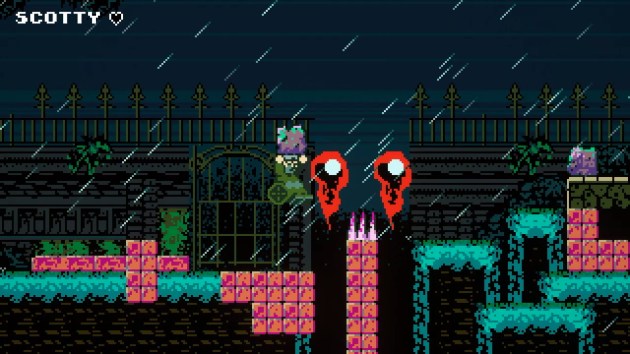
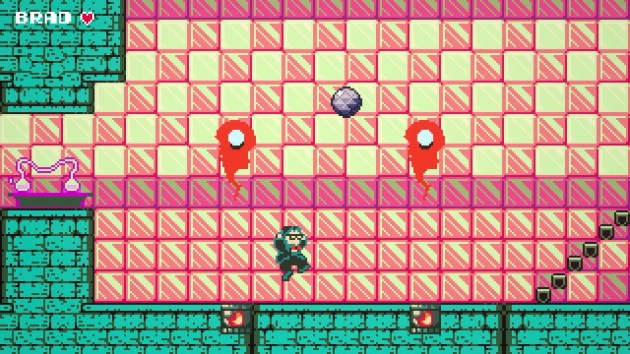
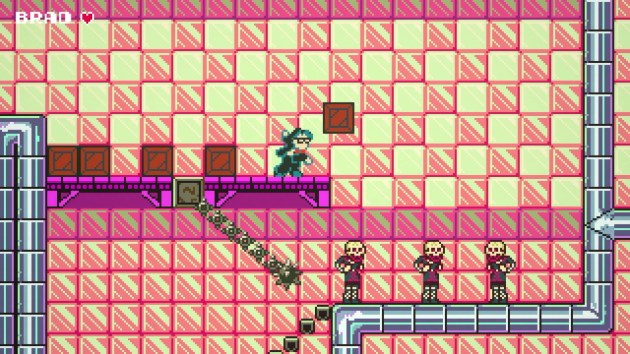
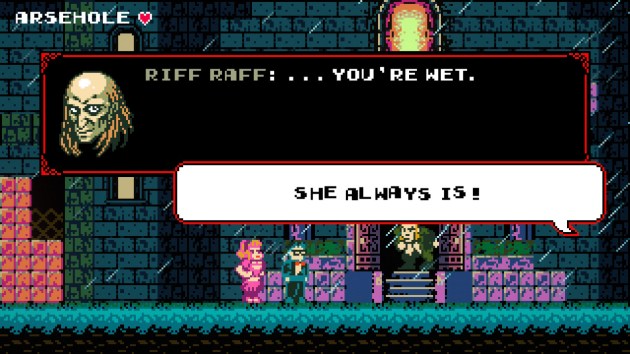
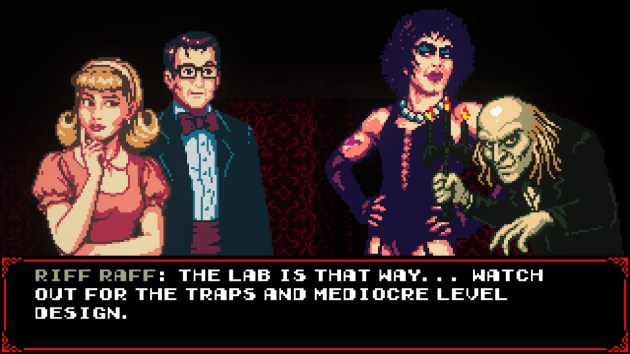
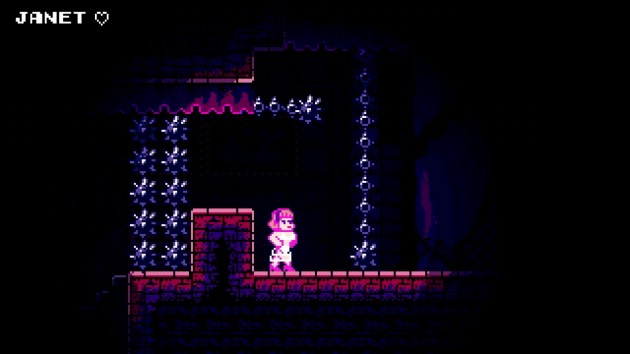
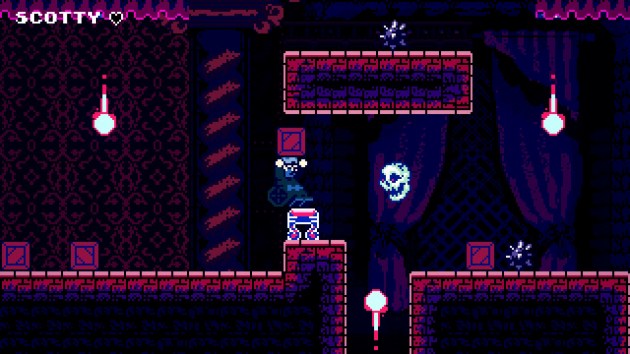
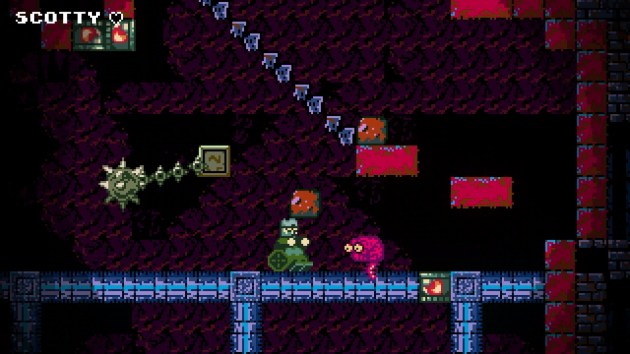
 Mighty Morphin Power Rangers: Rita’s Rewind

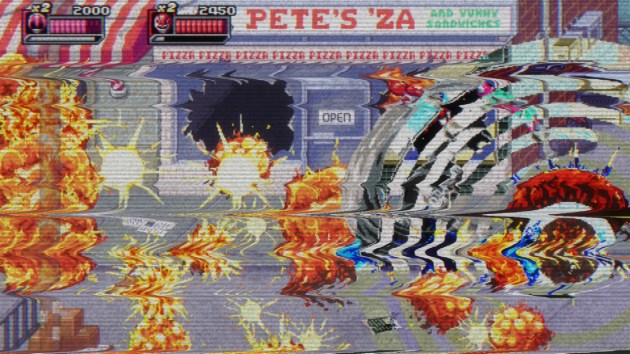
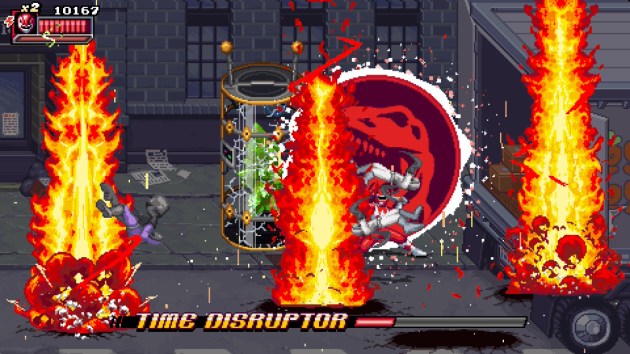
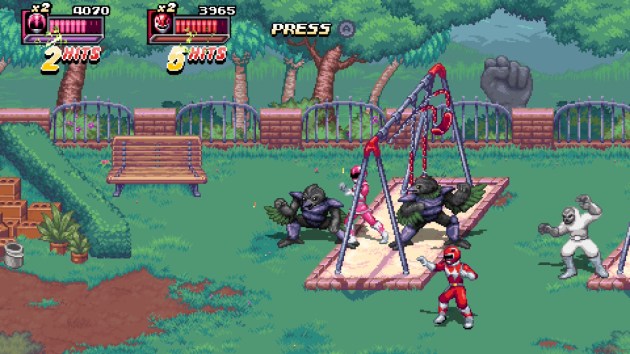
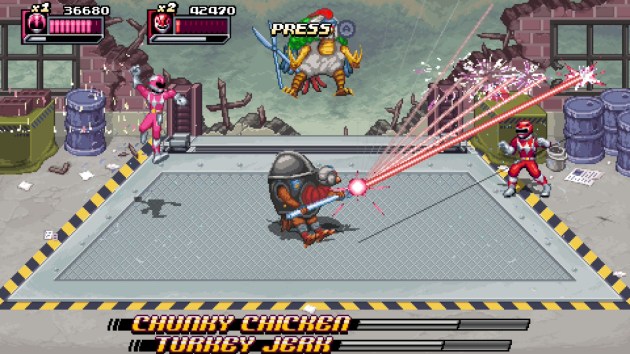


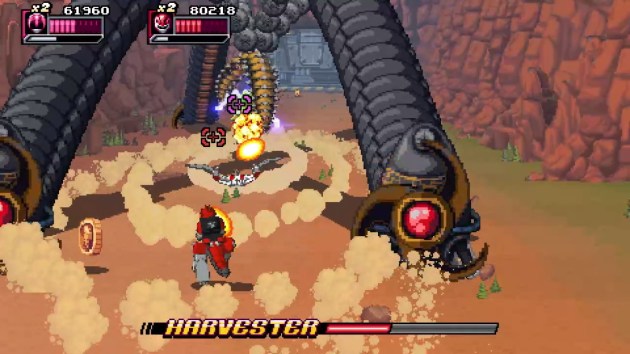
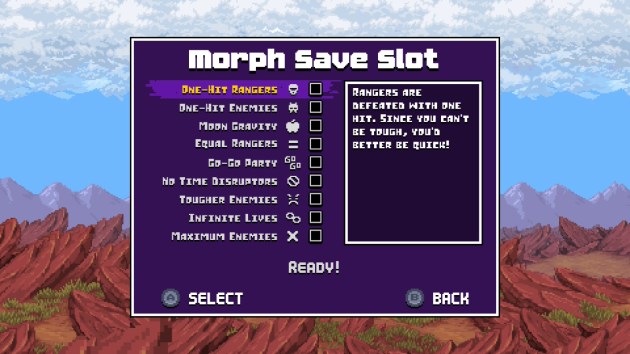
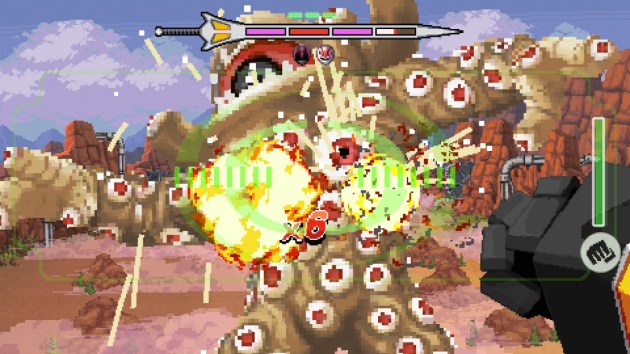
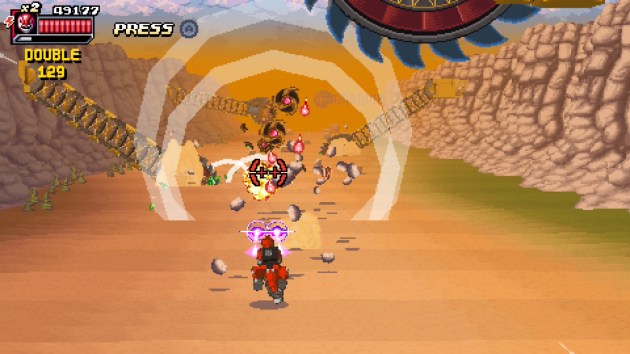
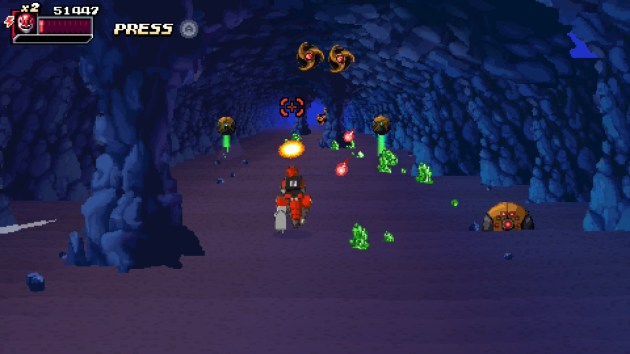
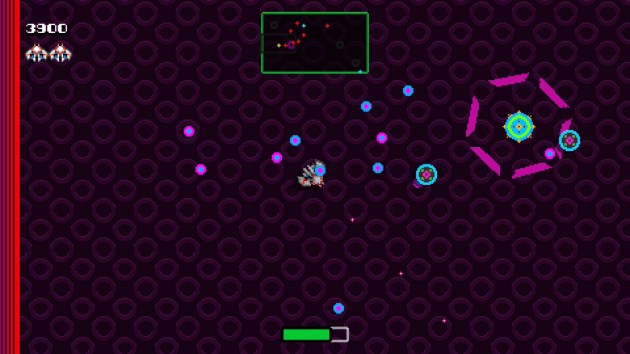
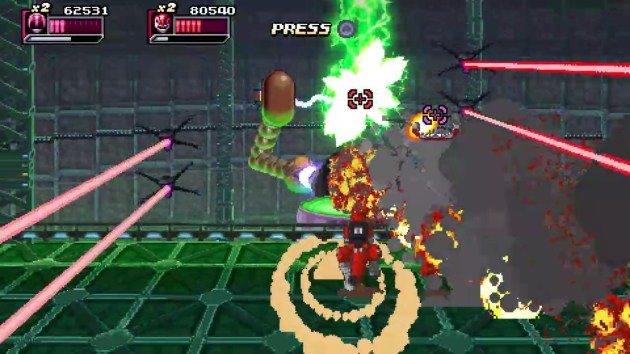


 Super Real Baseball ’88

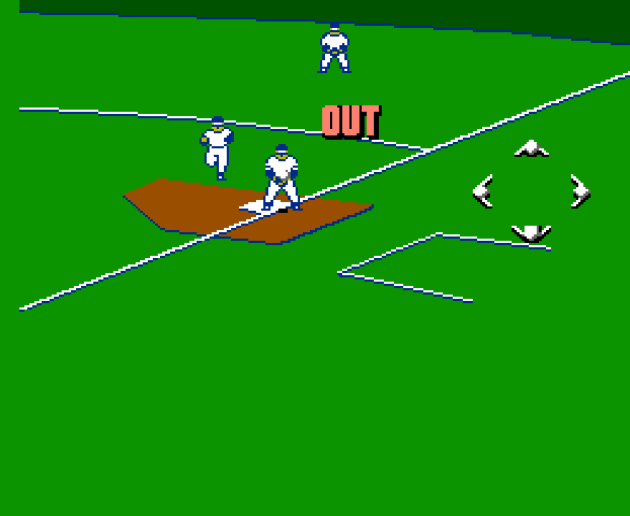
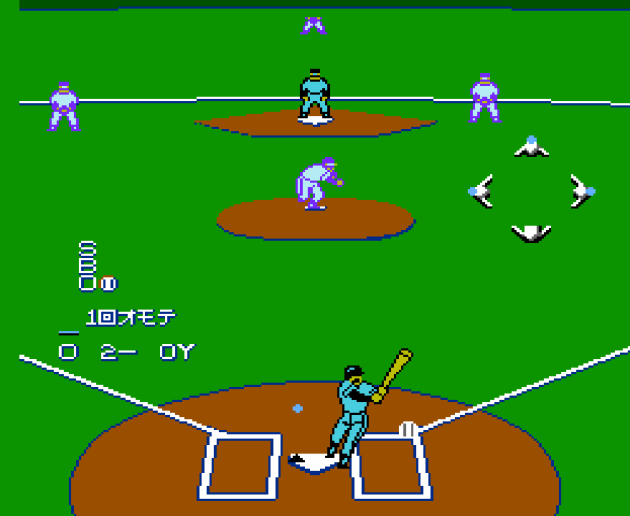
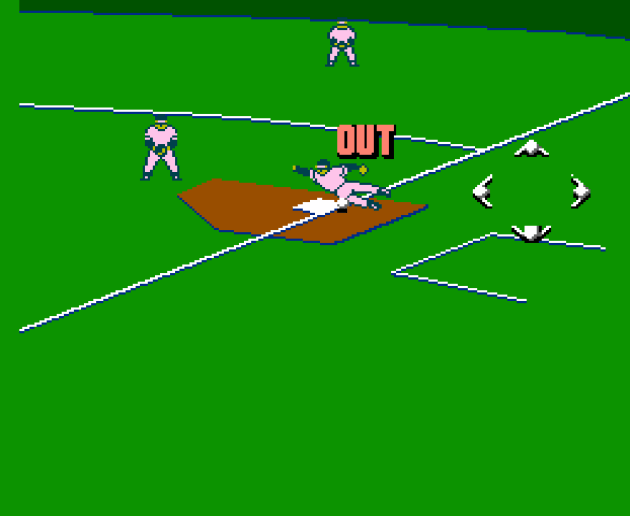
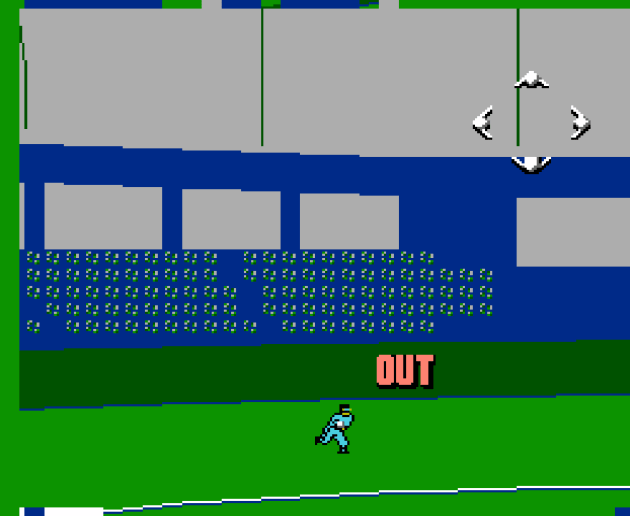
 Once Upon a Katamari

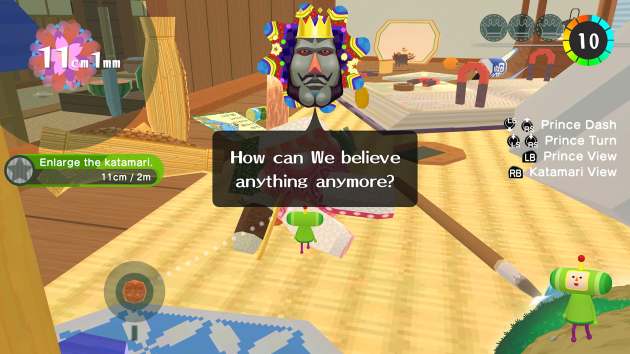
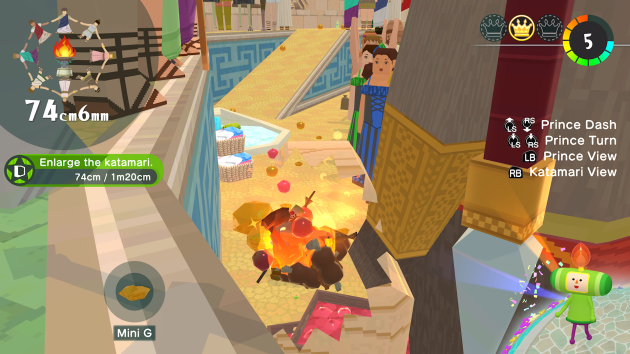
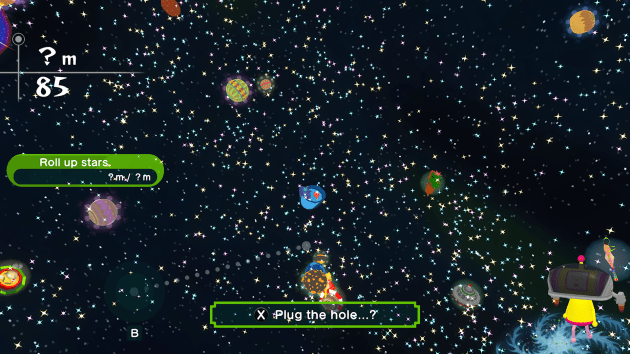
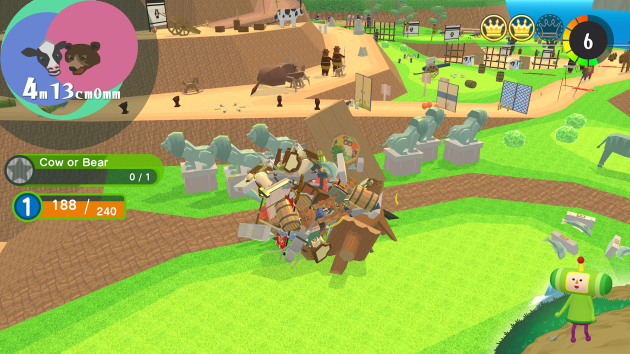
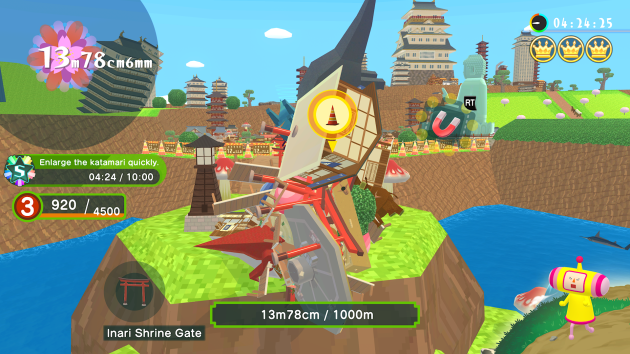
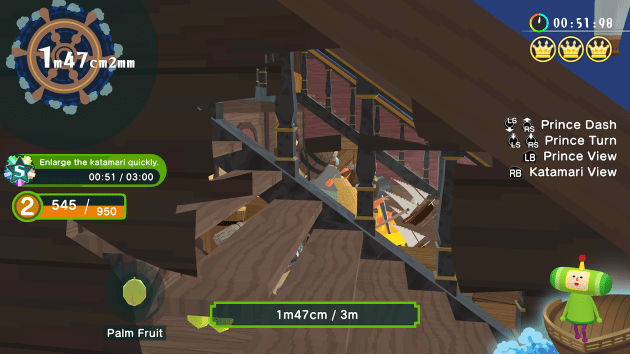
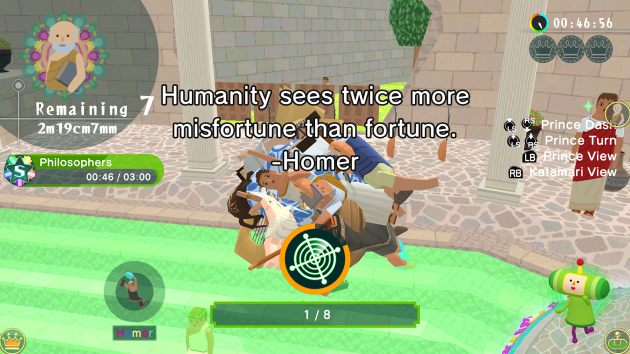


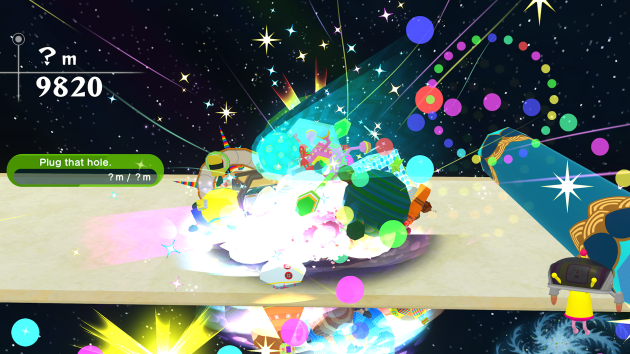
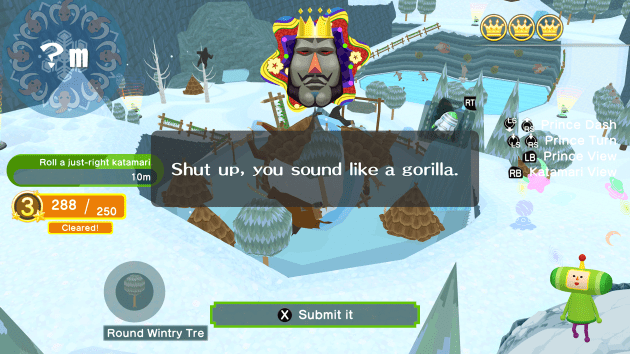
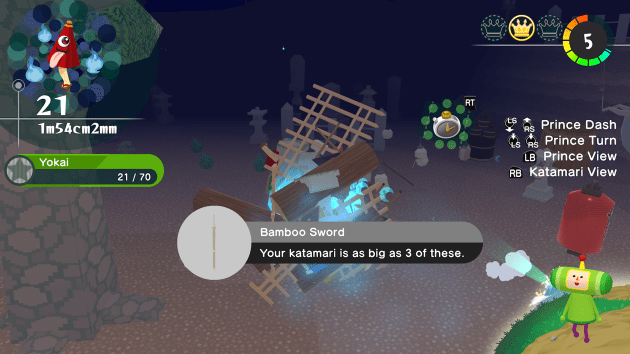
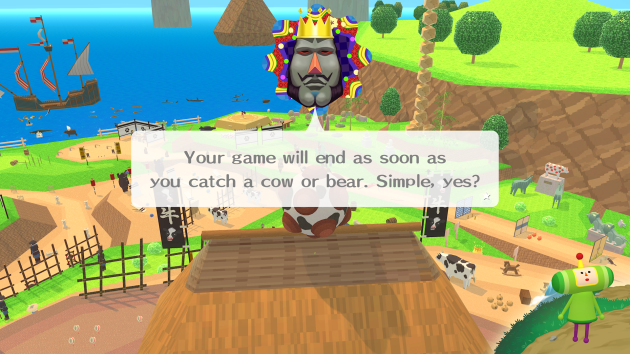
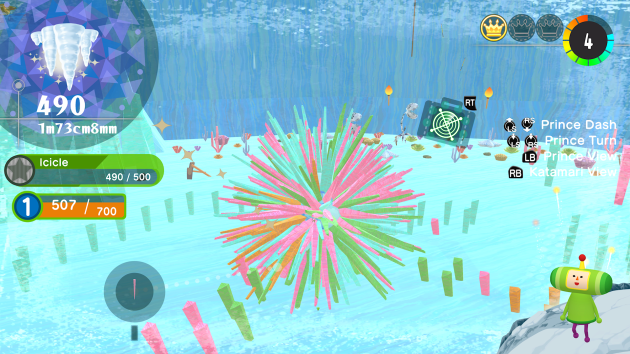
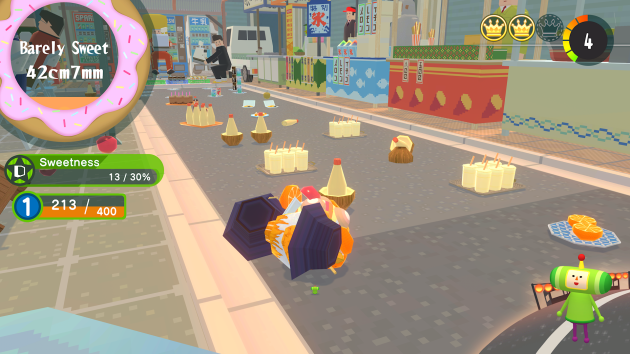
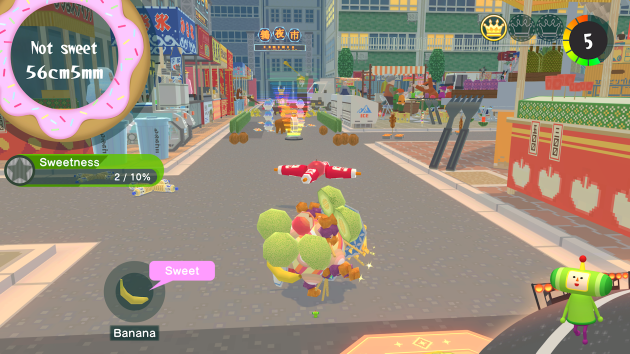
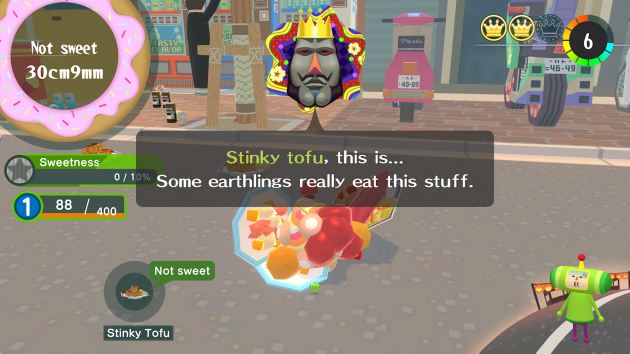
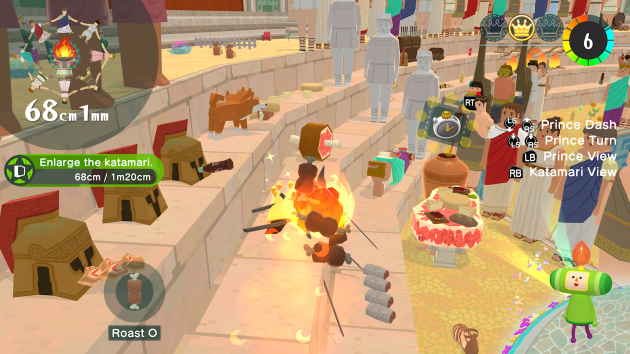
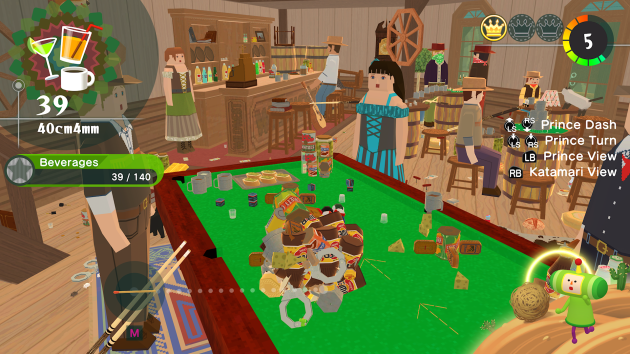
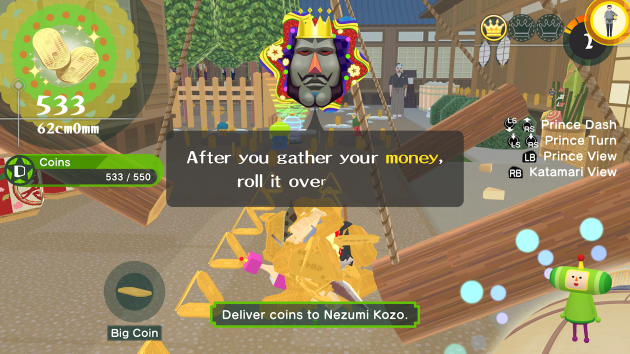
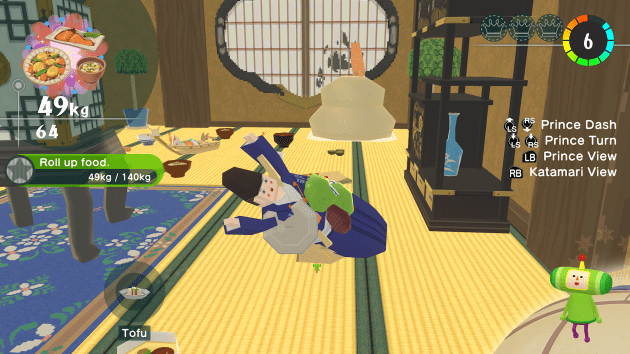
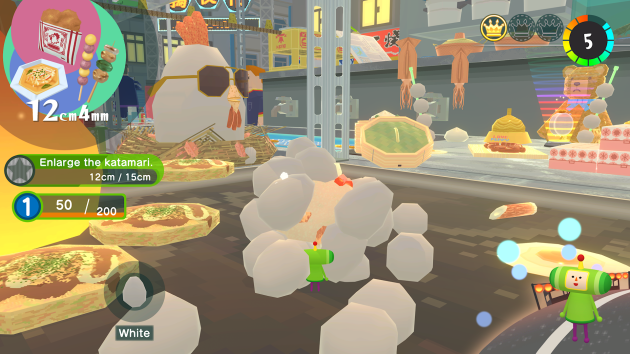
 Mega Man


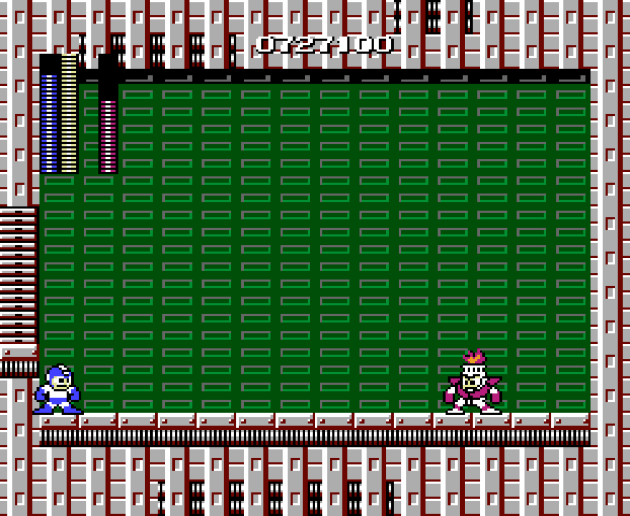
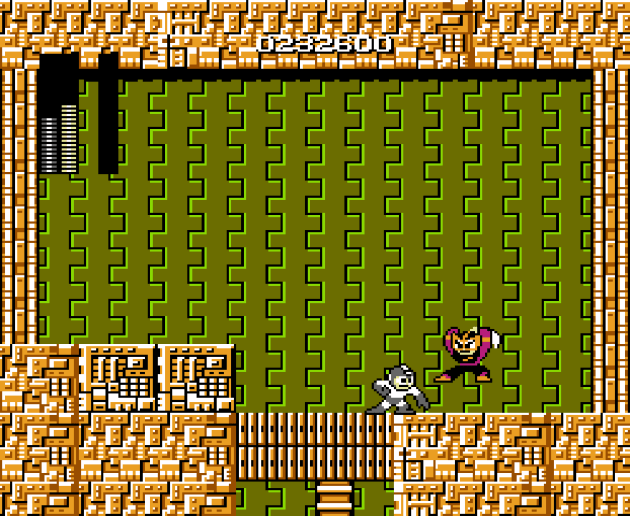
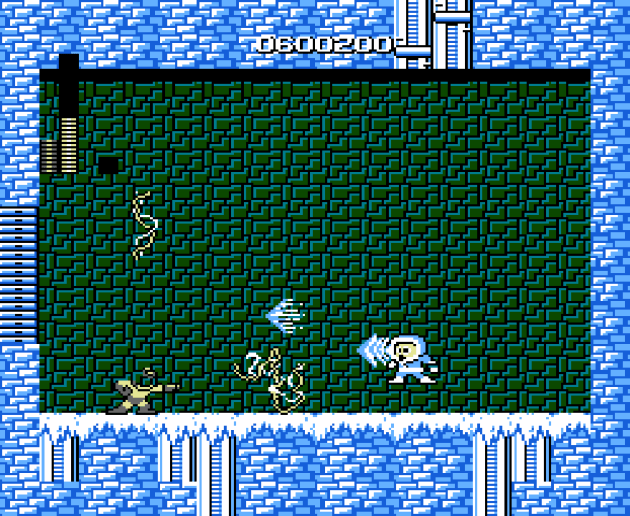
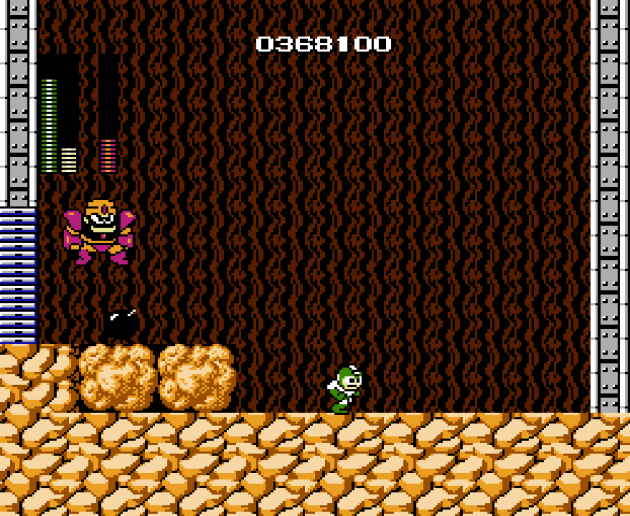
 Castlevania Legends

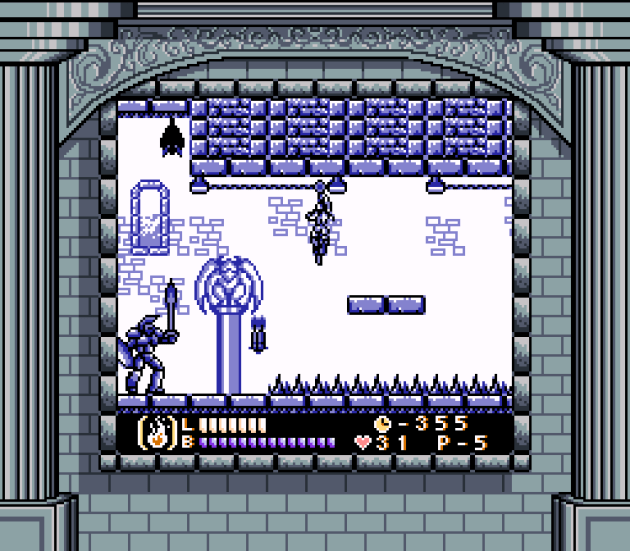
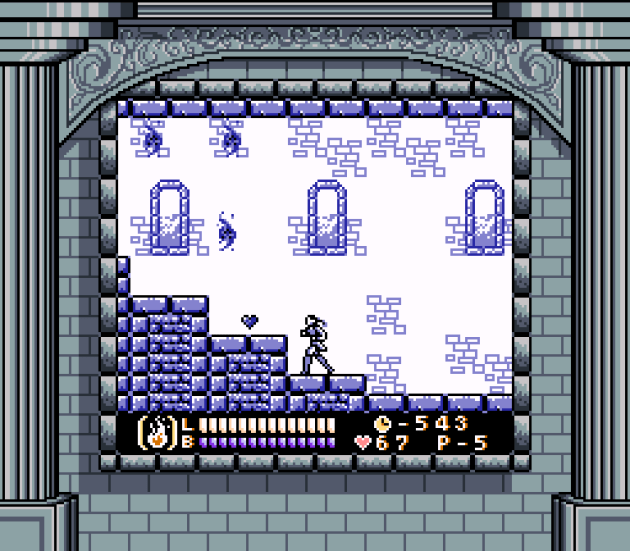
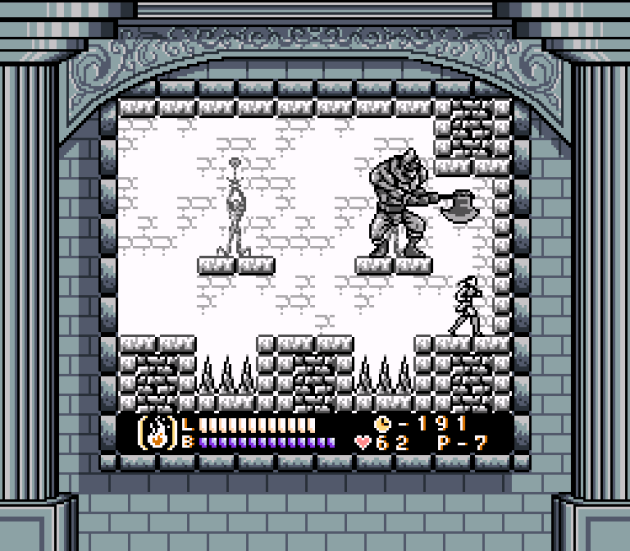
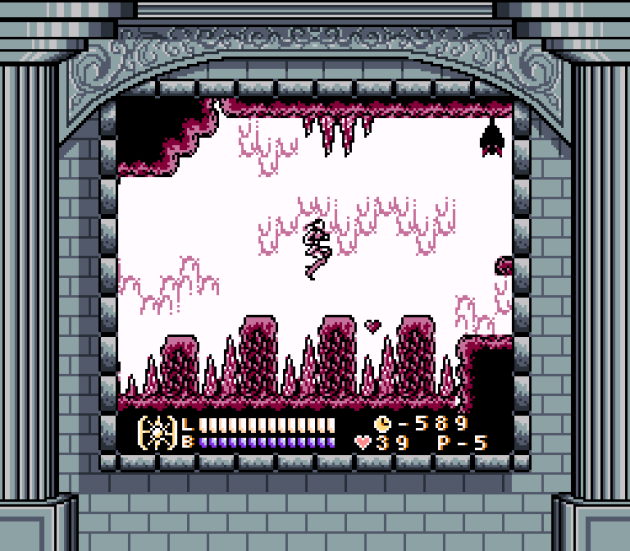
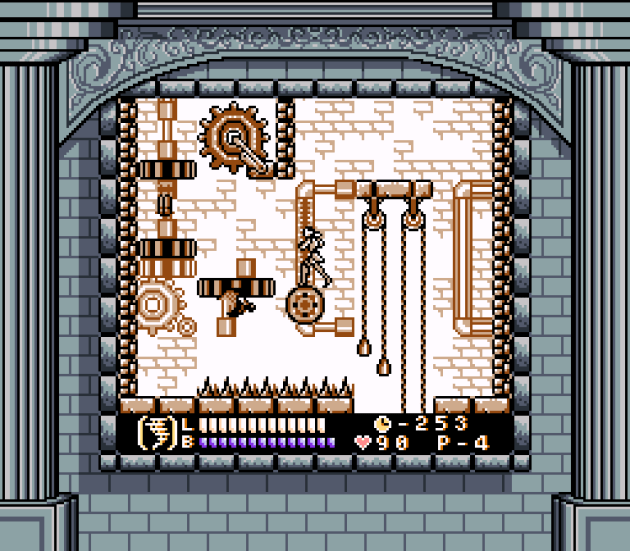
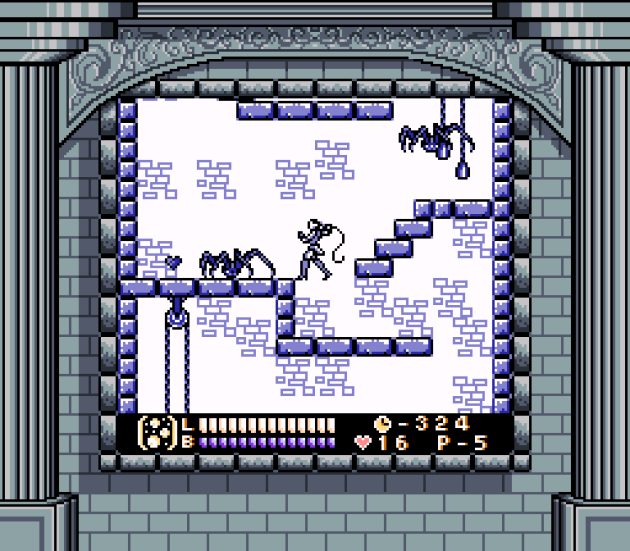
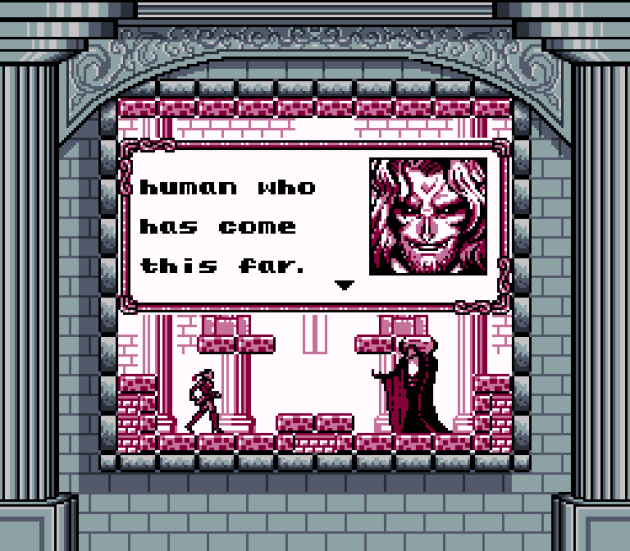
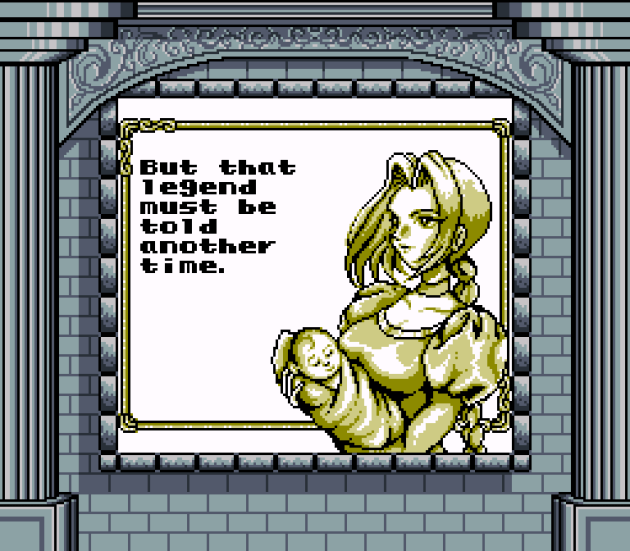
 Haunted Castle


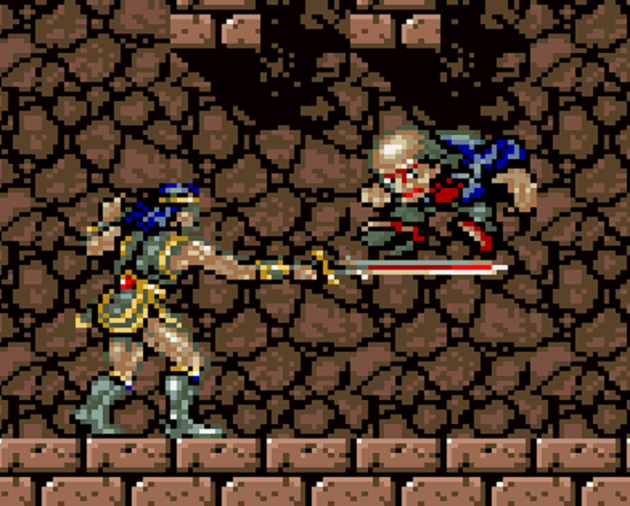
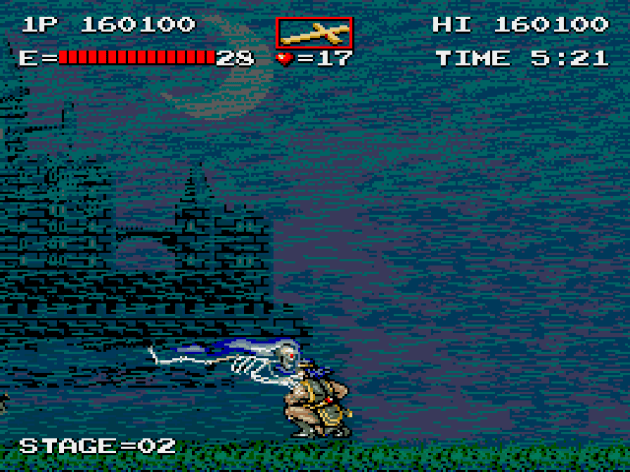
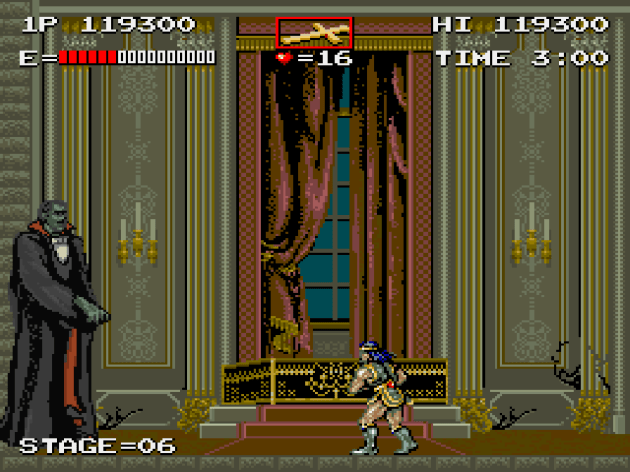
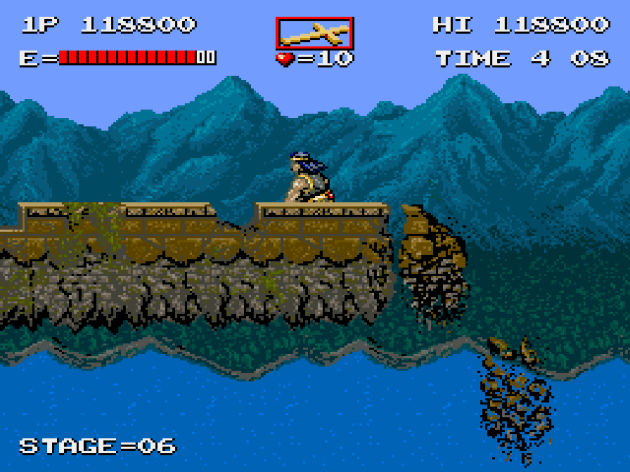
 Vampire Killer

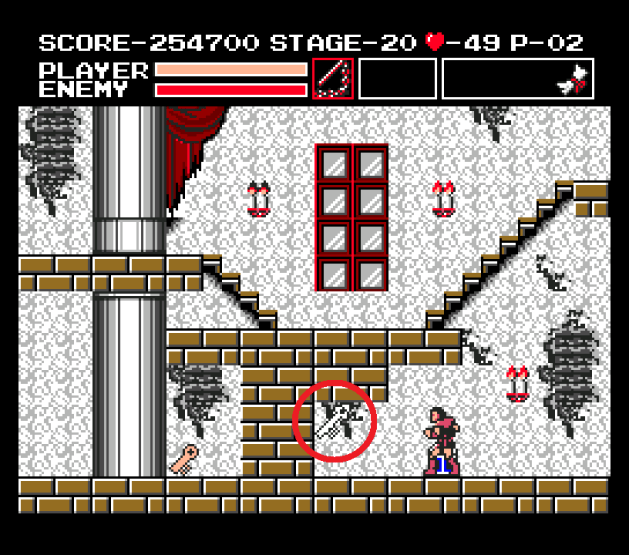
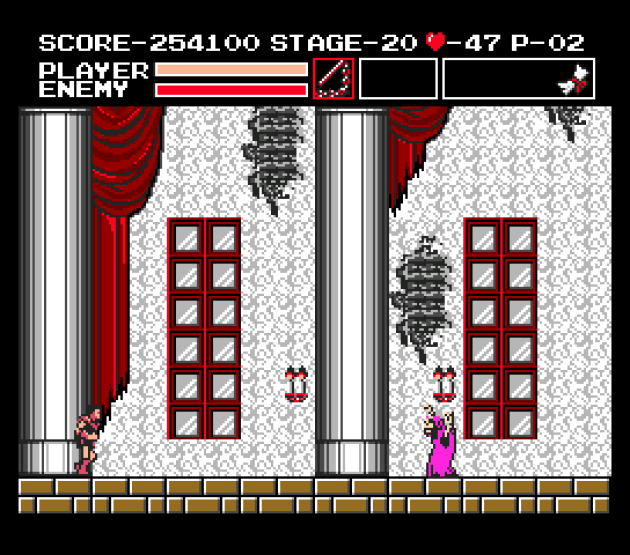
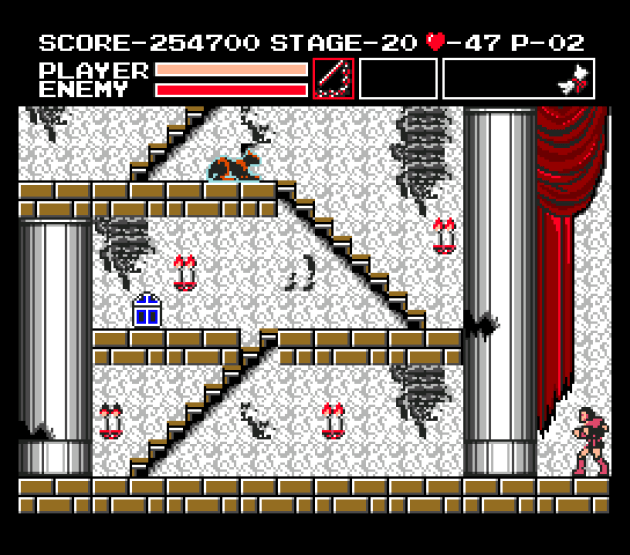
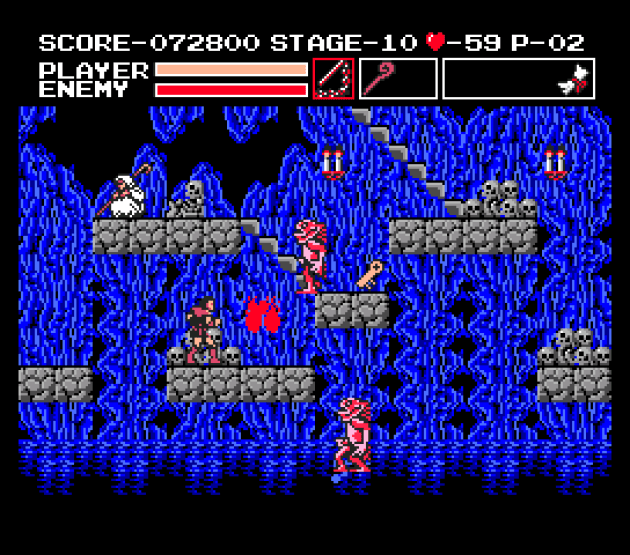

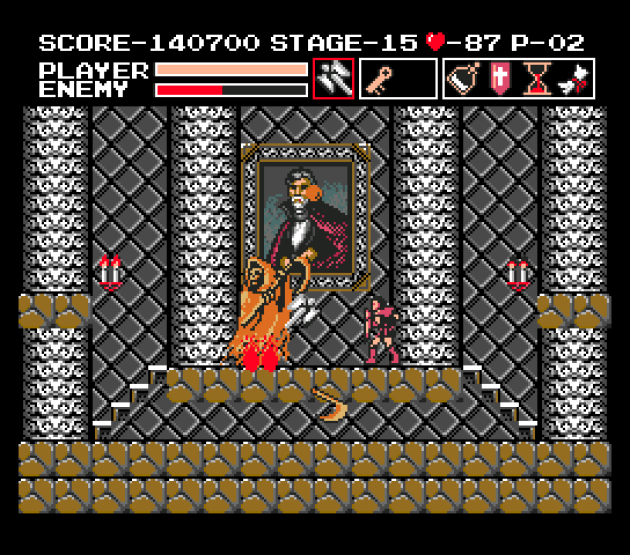
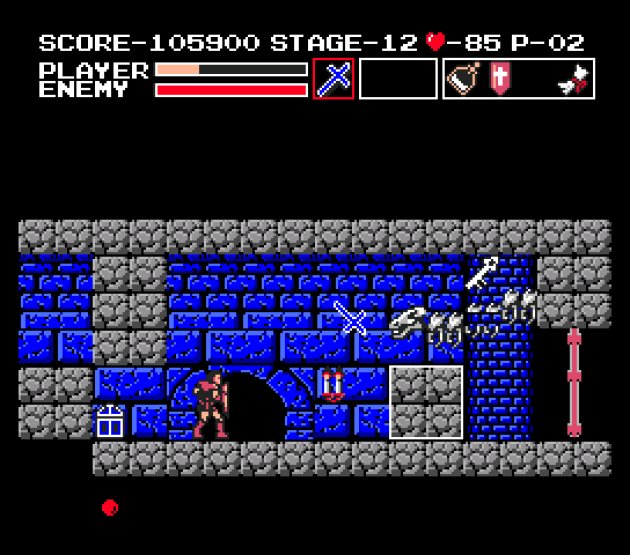
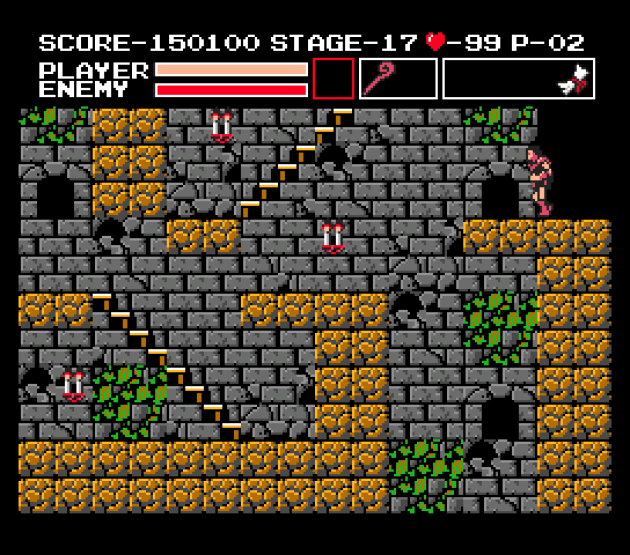
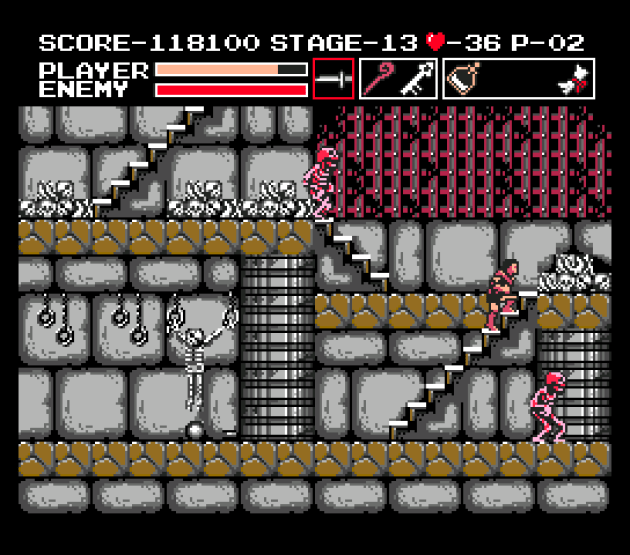
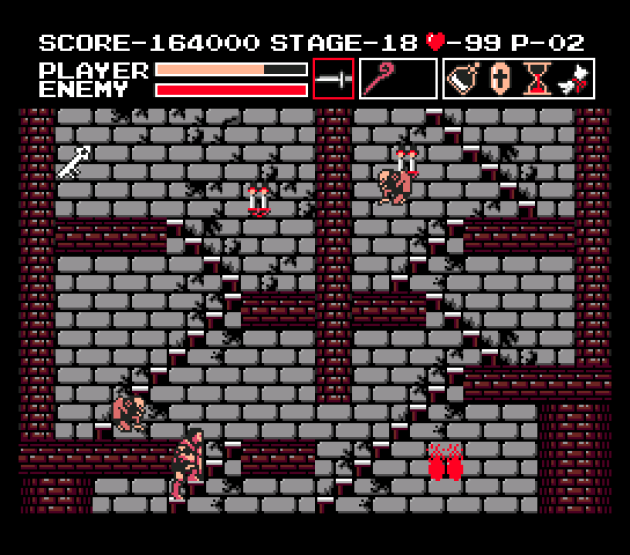
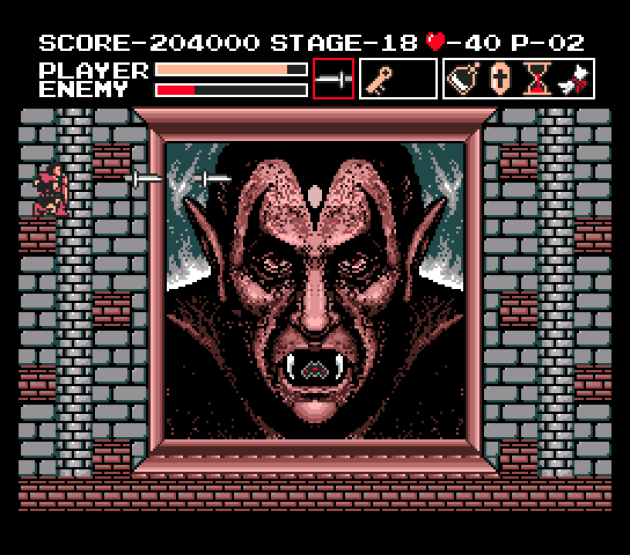
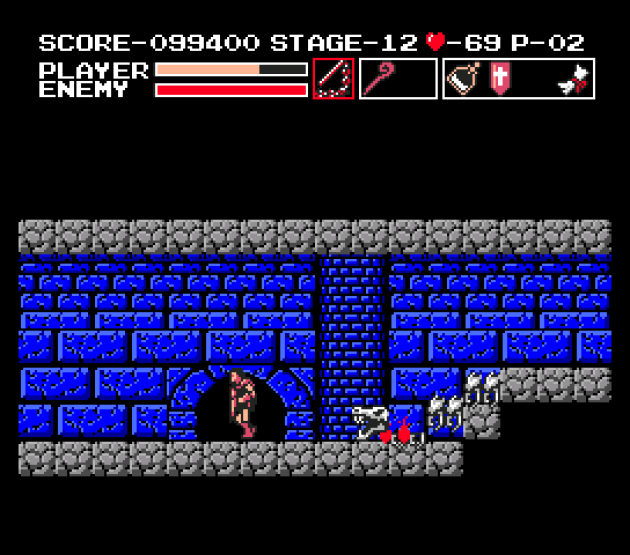
 Castlevania II: Simon’s Quest


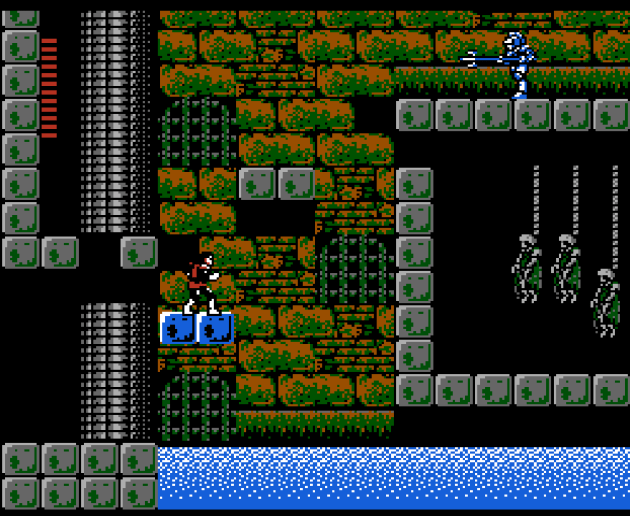
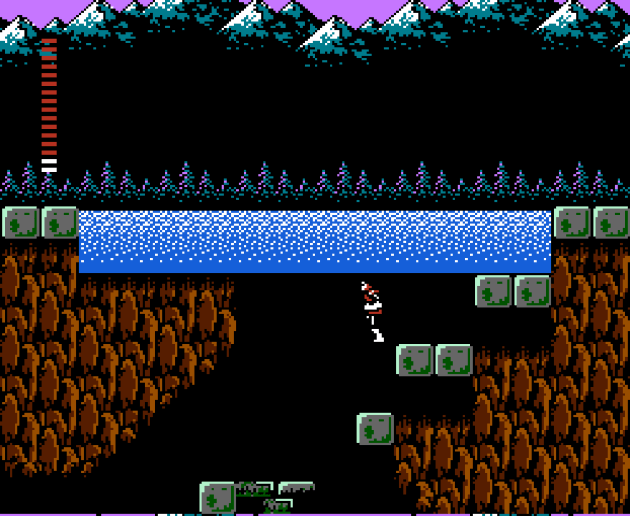
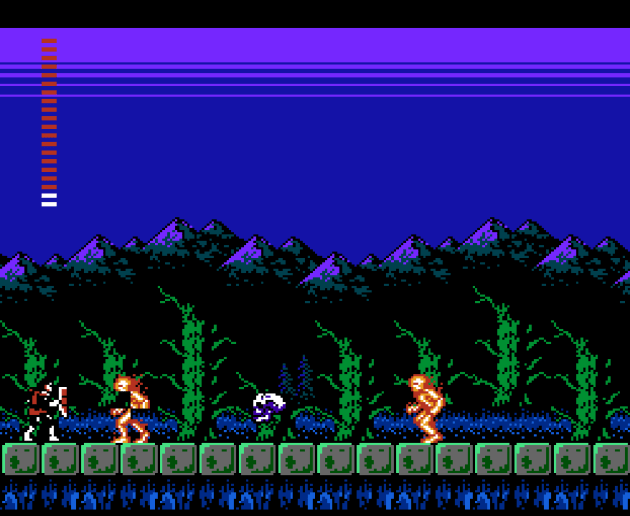
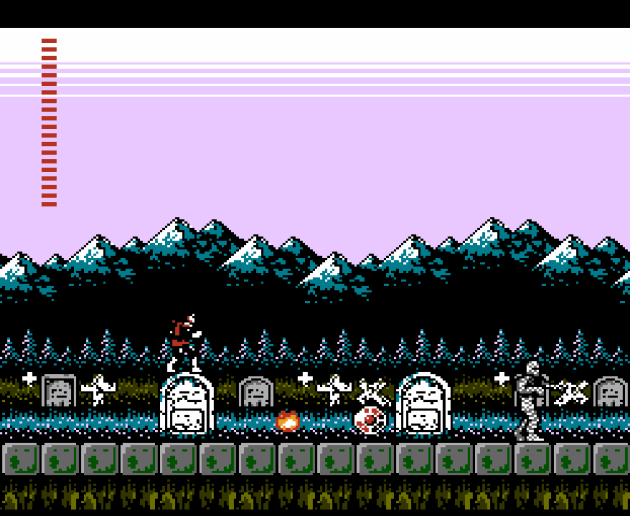
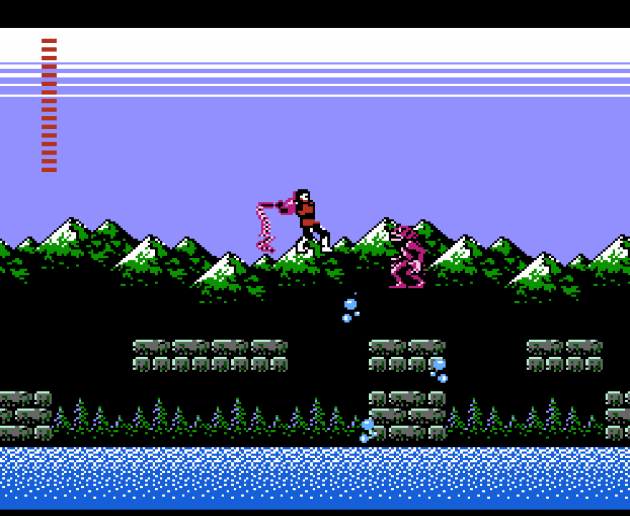
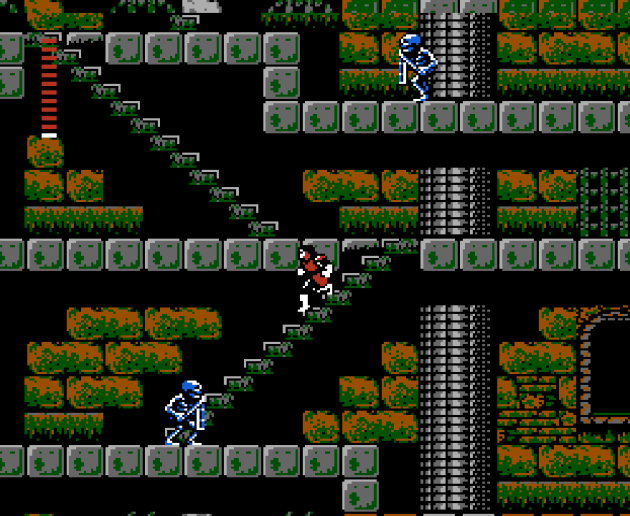
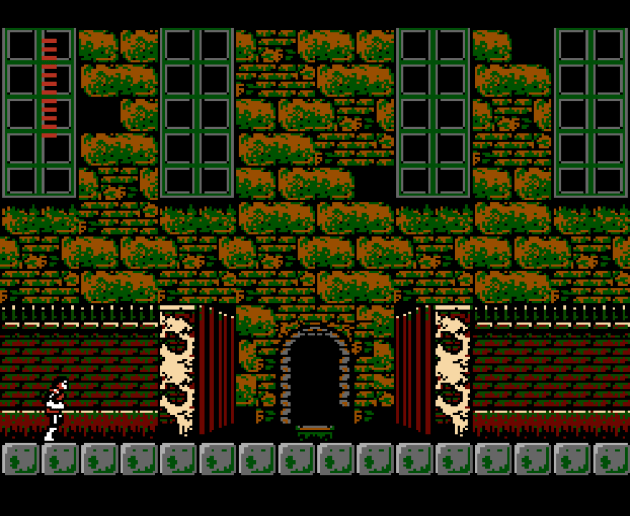
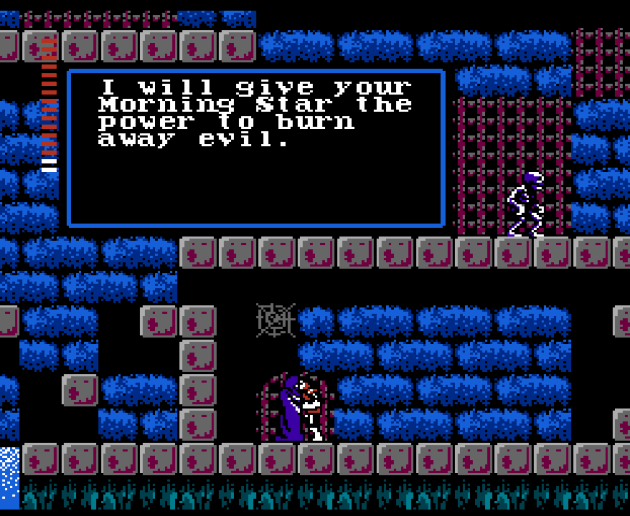
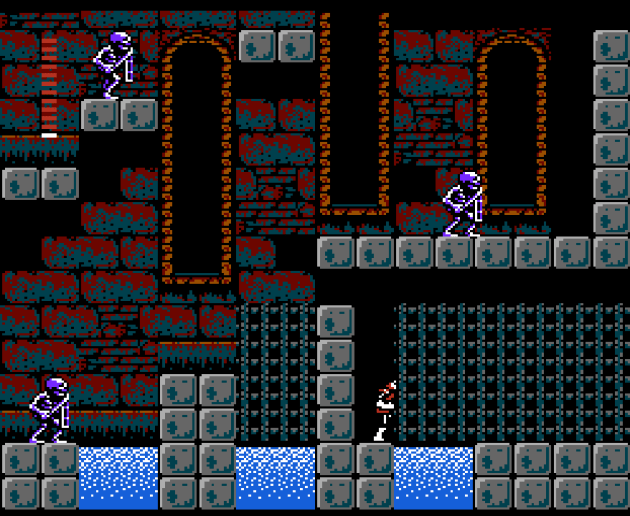
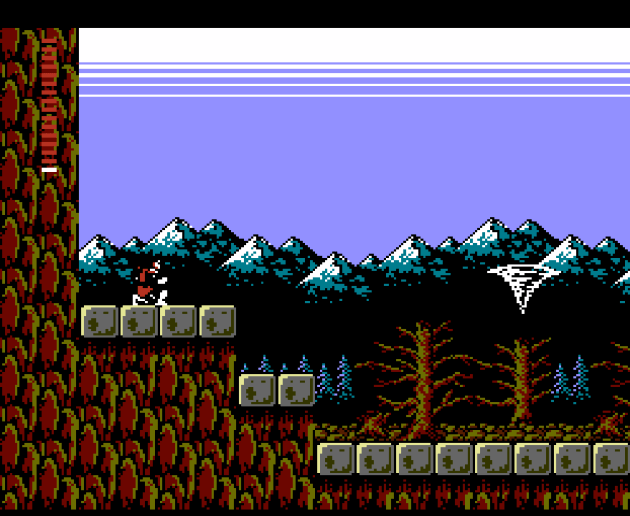
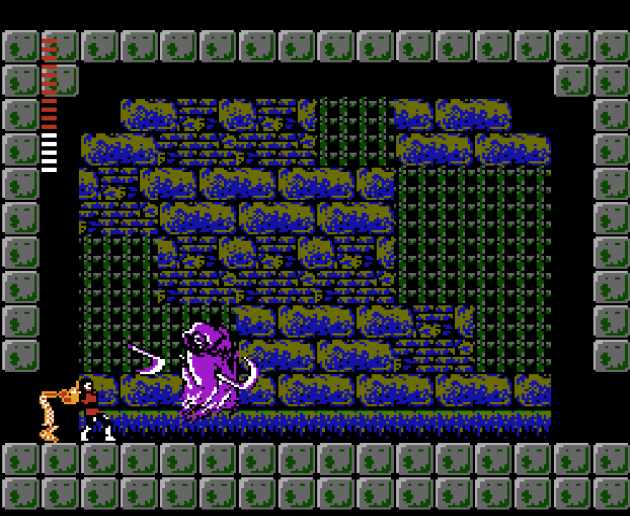
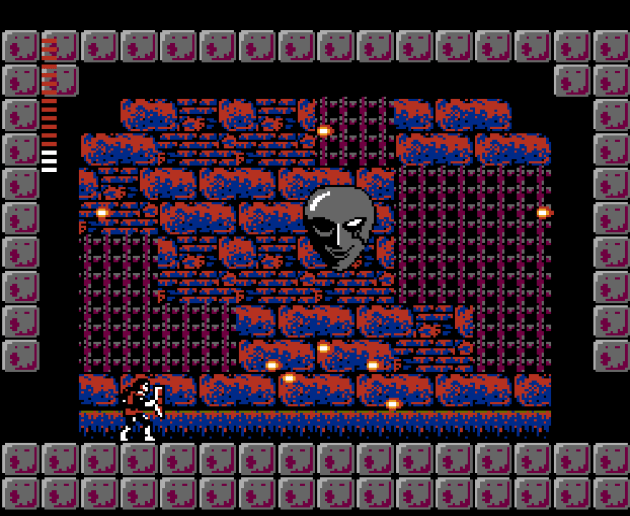
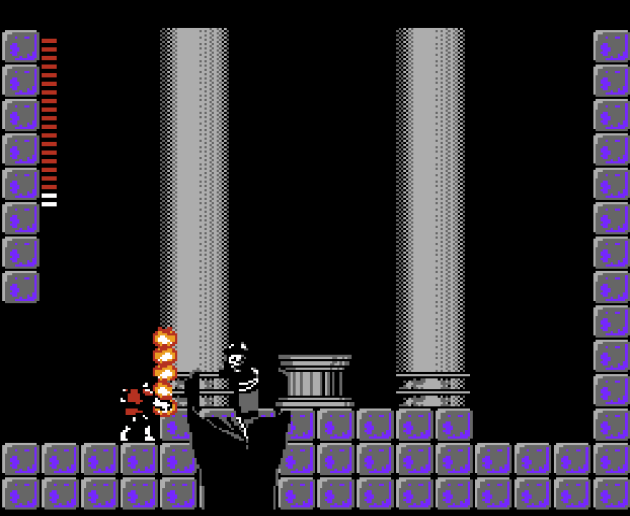
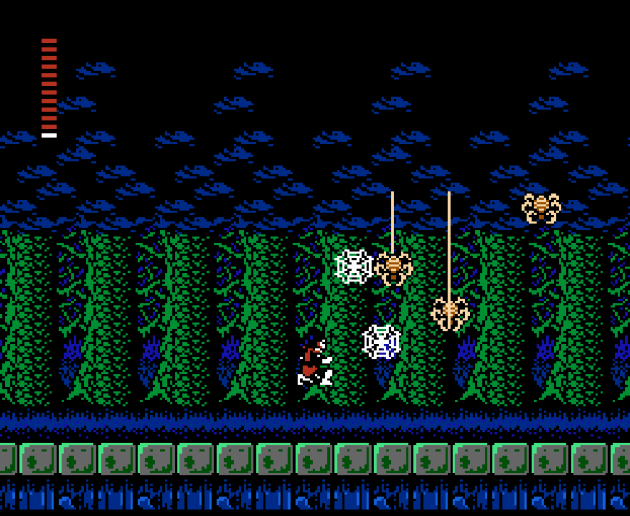
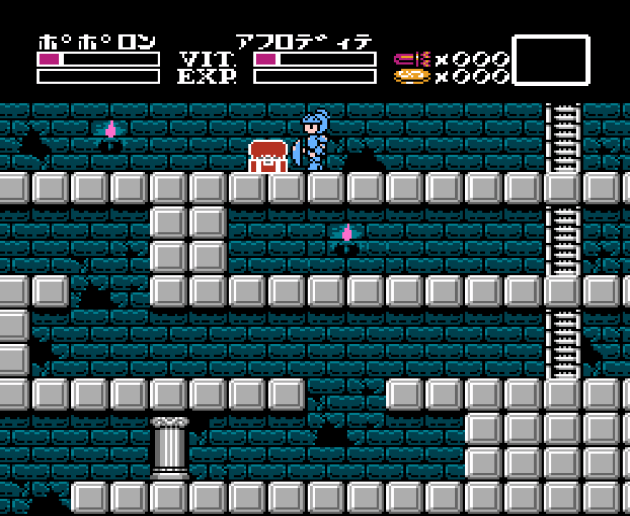
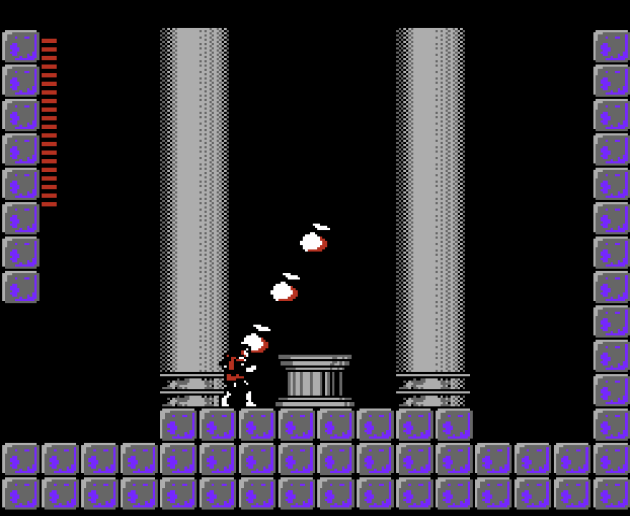
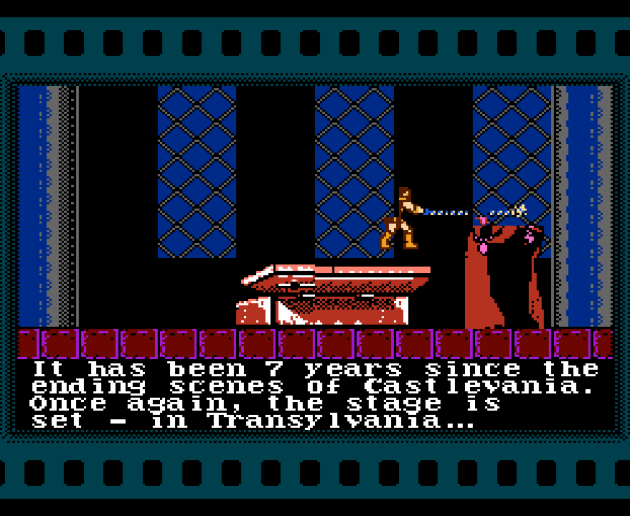


 Indie Gamer Chick
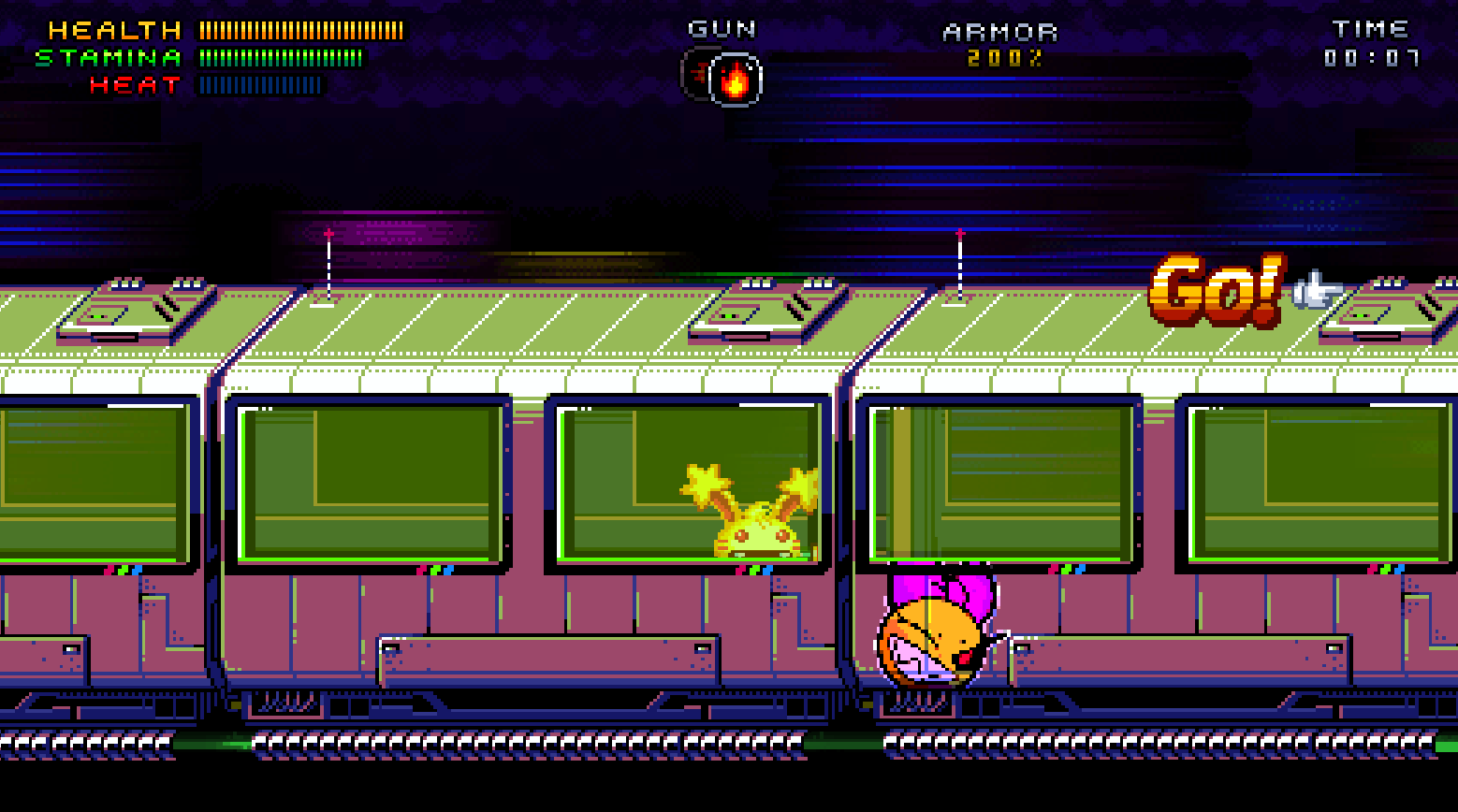

You must be logged in to post a comment.